
Lord of the Flies Chapter 8: Simon as a Christ Figure
Explore Lord of the Flies Chapter 8 by analyzing Simon as a possible Christ figure through literary symbolism, allusion, and textual evidence.

Explore Lord of the Flies Chapter 8 by analyzing Simon as a possible Christ figure through literary symbolism, allusion, and textual evidence.
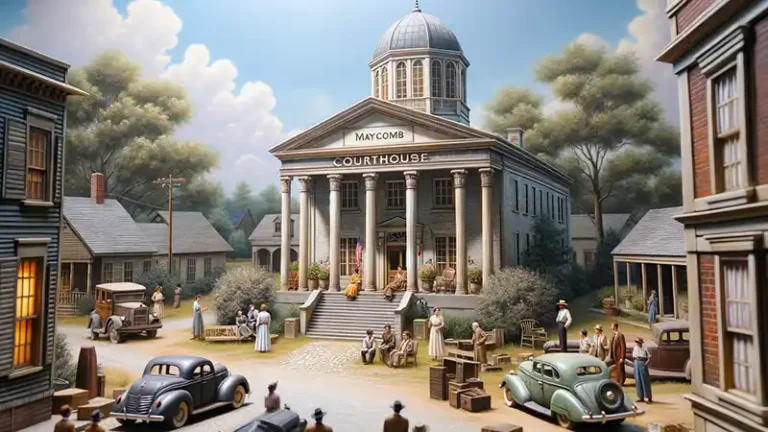
This To Kill a Mockingbird Chapter 22 lesson focuses on the responses to Tom Robinson’s trial verdict. Students analyze how Scout, Jem, Atticus, and the Maycomb community react, using quotations to explore justice, disappointment, empathy, and social expectations. ← All To Kill a Mockingbird unit lessons LESSON AT A GLANCE · SECONDARY ENGLISH Focus: Chapter…

Build research and evaluation skills with a Lord of the Flies annotated bibliography lesson focused on psychoanalytic literary analysis.

Teach Lord of the Flies Chapter 7 with guided questions about the hunt, character development, fear, and psychoanalytic interpretation.

Review Lord of the Flies Chapter 6 through a student-created quiz with both comprehension and analysis questions and an answer key.
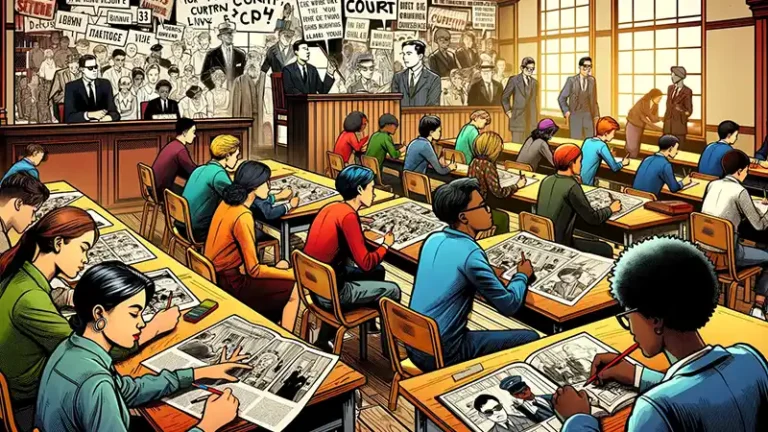
This To Kill a Mockingbird courtroom comic strip lesson asks students to reconstruct the trial scenes in Chapters 17–21 through visual storytelling. Students select relevant testimony, put events in order, and explain how contradictions and character perspectives shape the case. ← All To Kill a Mockingbird unit lessons LESSON AT A GLANCE · SECONDARY ENGLISH…
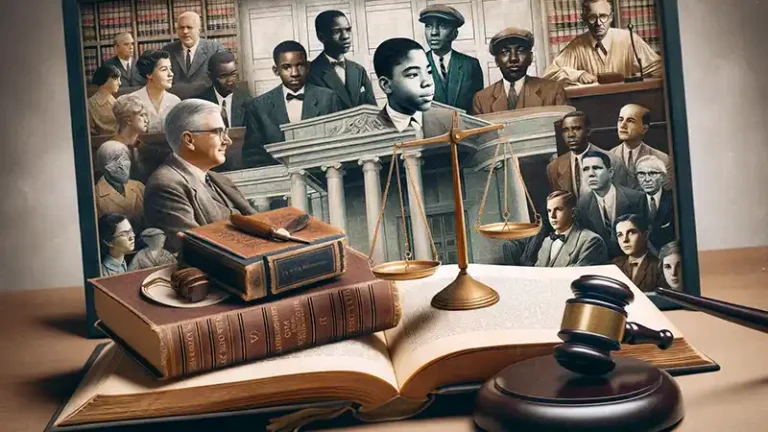
This To Kill a Mockingbird Chapter 16 lesson places the novel’s trial in conversation with the historical Scottsboro Boys case. Students consider racism, due process, and social power while carefully distinguishing Harper Lee’s fictional narrative from the real historical record. ← All To Kill a Mockingbird unit lessons LESSON AT A GLANCE · SECONDARY ENGLISH…

The rapid integration of digital tools and platforms in education necessitates that educators are not only familiar with but also adept in utilizing technology to enhance learning experiences. This shift has made the demonstration of technology skills a critical element in teaching interviews, where candidates are increasingly evaluated on their ability to integrate technology into…
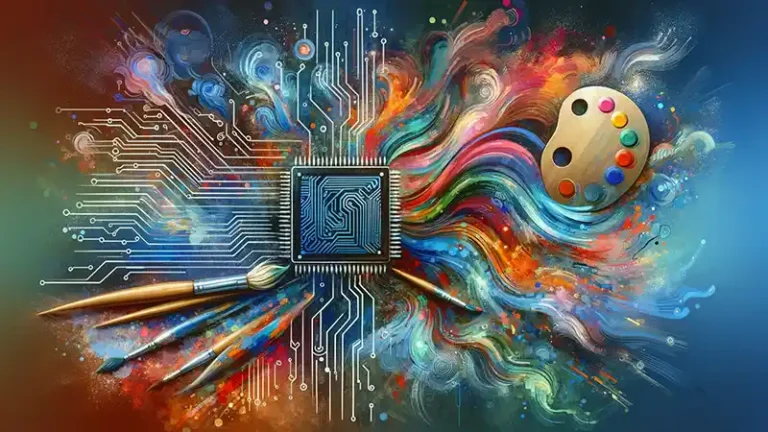
The fusion of Artificial Intelligence (AI) and art marks a revolutionary shift in the landscape of art education. This intersection is not just about leveraging technology for convenience; it’s about opening new avenues for creativity and expression. The integration of AI in art classes has grown significantly, driven by the technology’s ability to enhance educational…

In the dynamic landscape of modern education, project-based learning (PBL) has emerged as a pivotal instructional strategy, reshaping how students engage with their learning environments. At its core, PBL is an educational approach where learning is anchored around the completion of projects. These projects are typically complex, require significant time and effort, and aim to…