
Critical AI Literacy Pedagogy: Teaching Students to Question AI
Explore critical AI literacy pedagogy, evidence-checking and algorithmic bias with a practical lesson for teachers.
Artificial intelligence is changing teaching faster than any technology shift in decades—but the goal isn’t replacing teachers. It’s helping teachers work smarter, save time, and support students more effectively. In this section on AI in the classroom, I share practical strategies, lesson ideas, ethical guidance, and real classroom uses of AI tools that actually make teaching easier.
You’ll find examples of how to use AI for planning lessons, differentiating instruction, supporting struggling writers, generating discussion questions, creating assessment tools, and strengthening student thinking—not weakening it. I also explore important topics like responsible AI use, academic integrity, and how to teach students to work with AI instead of depending on it.
Whether you’re just starting with AI or already experimenting with classroom workflows, this category provides clear, realistic ways to integrate artificial intelligence into everyday teaching while keeping strong pedagogy at the center.

Explore critical AI literacy pedagogy, evidence-checking and algorithmic bias with a practical lesson for teachers.

An editable AI classroom policy template with permitted-use examples, student guidelines, disclosure language, privacy safeguards, and a lesson plan.
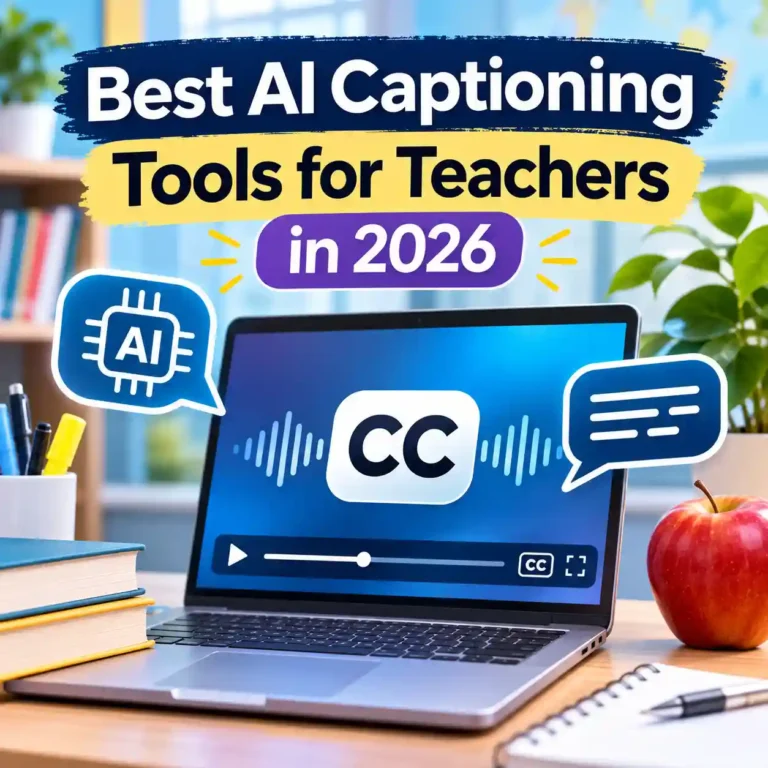
Last updated: October 2026. Features and prices are taken from each vendor’s official pages and help centers and may change. Quick answer: for most teachers, the easiest way to caption class videos is to use the tool you already have. YouTube auto captions work for videos you publish there, Microsoft Teams and Stream caption recorded…

Teach artificial intelligence to kids in Grades 4–6 with an accessible explanation, hands-on AI literacy games, a 45-minute lesson, and worksheet.

A student can finish a language lesson without having spoken for more than a few minutes. AI conversation apps promise extra speaking time beyond the classroom, but teachers face a harder question: what kind of practice are students actually getting? For students reluctant to speak before classmates, these tools promise a lower-pressure rehearsal space. Ordering…
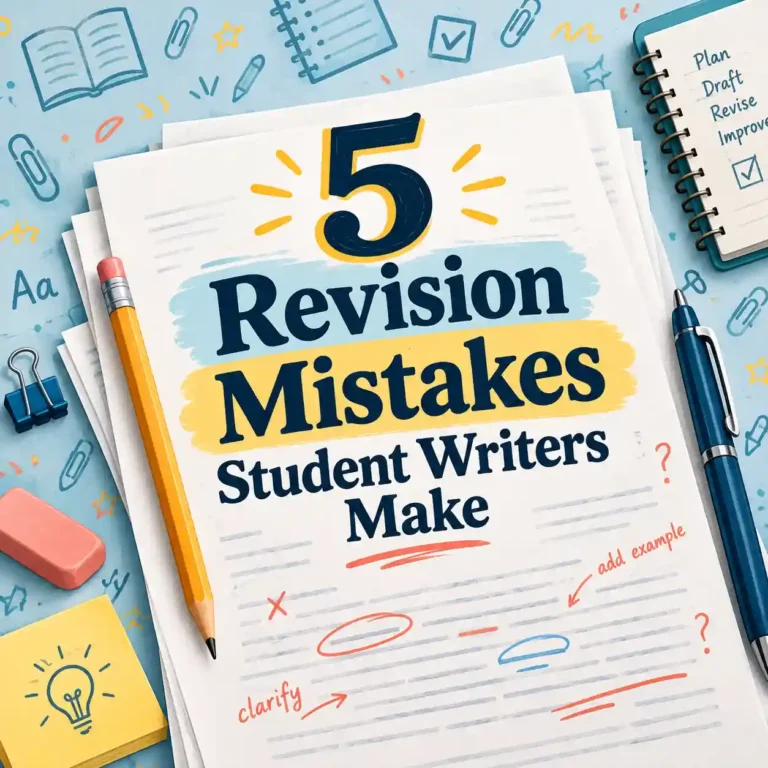
Writing the first draft gets all the attention. Revision is where stories are actually made. It is also where most student writing stalls. Ask a class to revise and many students will reread their story, fix a few typos, and call it done. Not because they do not care, but because “revise” is a vague…

A short oral defense after an essay or project can reveal what students understand, strengthen assessment authenticity, and reduce reliance on unreliable AI-detection methods.
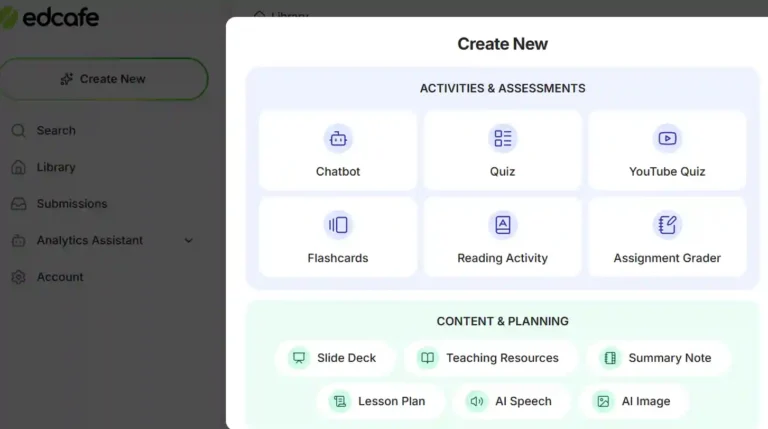
Artificial intelligence has become a regular topic of conversation in education over the past few years. While there are dozens of AI platforms available, I have found that many require teachers to jump between different websites to accomplish simple tasks. One tool creates quizzes, another generates lesson plans, and another helps with grading. It can…

Human-Centered AI Pedagogy is an approach to teaching with artificial intelligence that keeps human judgment, relationships, and values at the center of learning. Rather than asking what can AI replace?, this pedagogy asks a far better question: how can AI support teachers and students without diminishing human agency? In practice, Human-Centered AI Pedagogy treats AI…
An AI worksheet generator is a web-based engine that turns a single prompt—keyword, passage, or standard—into a polished, printable activity in seconds. Instead of hunting through one-size-fits-all templates, teachers get custom questions at the right reading level, auto-formatted answer keys, and files ready for Google Classroom or the copier. The payoff is obvious: less after-hours…