
Lord of the Flies Chapter 5: Letter home from Ralph
Lord of the Flies Chapter 5 lesson plan: students write a letter in Ralph’s voice to explore characterization, leadership, and narrative perspective.

Lord of the Flies Chapter 5 lesson plan: students write a letter in Ralph’s voice to explore characterization, leadership, and narrative perspective.

Use a symbolic mask project to teach Lord of the Flies Chapter 4, exploring persona, identity, character development, and the novel’s themes.

This To Kill a Mockingbird Chapter 15 lesson pairs the jailhouse scene with carefully framed historical study of lynching and racial terror in the United States. Students examine how mob pressure, prejudice, and individual action shape the scene, then use text evidence to discuss courage and responsibility. ← All To Kill a Mockingbird unit lessons…

Teach Lord of the Flies Chapter 3 using psychoanalytic group discussions, text-based analysis of characters, and short presentations.

Explore Lord of the Flies Chapter 2 through psychoanalytic criticism, including character motivation, the id, ego, superego, and symbolism.

These To Kill a Mockingbird Chapters 13–14 lesson activities invite students to examine family expectations, identity, and personal growth through reflection and close reading. Students can explore the ideas through journaling while connecting their observations to Scout’s experiences. ← All To Kill a Mockingbird unit lessons LESSON AT A GLANCE · SECONDARY ENGLISH Focus: Chapters…
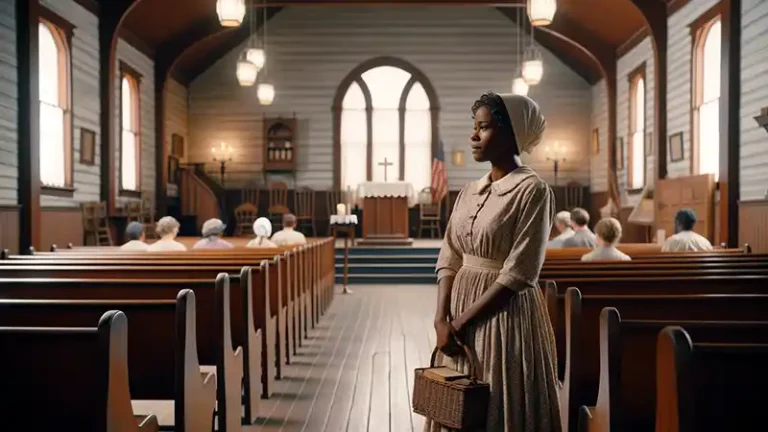
This To Kill a Mockingbird Chapter 12 comparative analysis lesson pairs the novel with the memoir You Worked Long Hours. Students consider Calpurnia’s experiences alongside a historical personal account while distinguishing fictional representation from first-person testimony. ← All To Kill a Mockingbird unit lessons LESSON AT A GLANCE · SECONDARY ENGLISH Focus: Chapter 12: Calpurnia,…
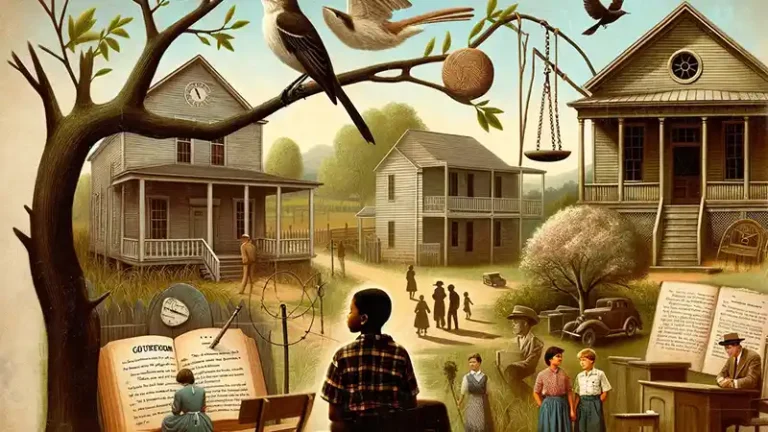
This To Kill a Mockingbird Part One quotations lesson gives students a structured way to revisit significant passages from Chapters 1–11. They examine how dialogue and narration build characterization, setting, conflict, and the novel’s emerging themes. ← All To Kill a Mockingbird unit lessons LESSON AT A GLANCE · SECONDARY ENGLISH Focus: Part One review:…

In recent years, the field of education has witnessed a significant transformation, driven largely by the advent and integration of artificial intelligence (AI). This transformation is particularly notable in history education, where AI has begun to revolutionize both teaching methodologies and the learning experience. The potential of AI in history to change how students learn…

This Mrs. Dubose character analysis lesson explores courage, addiction, conflict, and moral complexity in To Kill a Mockingbird Chapter 11. Students use a structured worksheet to examine her traits, words, interactions, and the perspective Atticus offers on her struggle. ← All To Kill a Mockingbird unit lessons LESSON AT A GLANCE · SECONDARY ENGLISH Focus:…