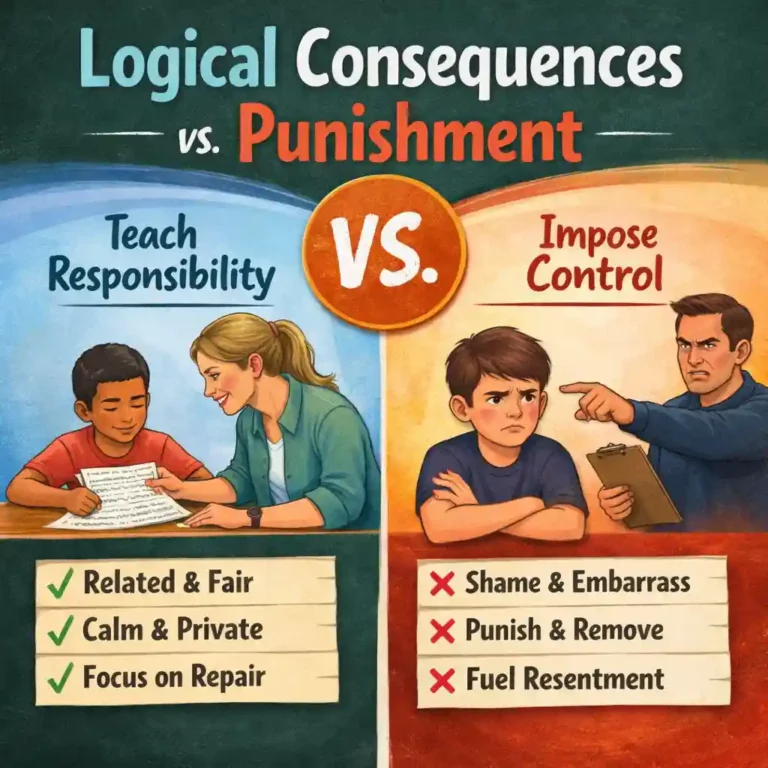
The Shift from Punitive to Preventative Classroom Management
This lesson of our free classroom management course explores the transition from punitive discipline to preventative classroom management. By shifting the focus from “how to punish” to “how to design for success,” educators can reduce behavioral incidents by up to 80%. This proactive approach treats behavior as a learnable skill and frames the classroom environment as the primary tool for student regulation and engagement.
Part of Module 1: Rethinking Classroom Management | Full Course Outline
What You’ll Learn About Preventative Classroom Management
The High Cost of Punishment: Why punitive models often escalate power struggles instead of solving them.
Environment as an Instructor: How room layout and pacing act as “silent teachers” of behavior.
Teaching Missing Skills: Why we must treat self-regulation with the same instructional rigor as math or reading.
The “Two-Minute” Relationship Rule: Practical ways to build the foundational trust that makes management possible.
For decades, classroom management was framed as something that happened after students misbehaved. A rule was broken. A consequence followed. Control was restored—at least temporarily.
But modern research, lived classroom experience, and teacher burnout have all pushed education toward a different model: preventative classroom management.
This module explores why punitive systems fall short, how preventative approaches work, and what this shift looks like in real classrooms—without adding more to your already full plate.
What Is Punitive Classroom Management?
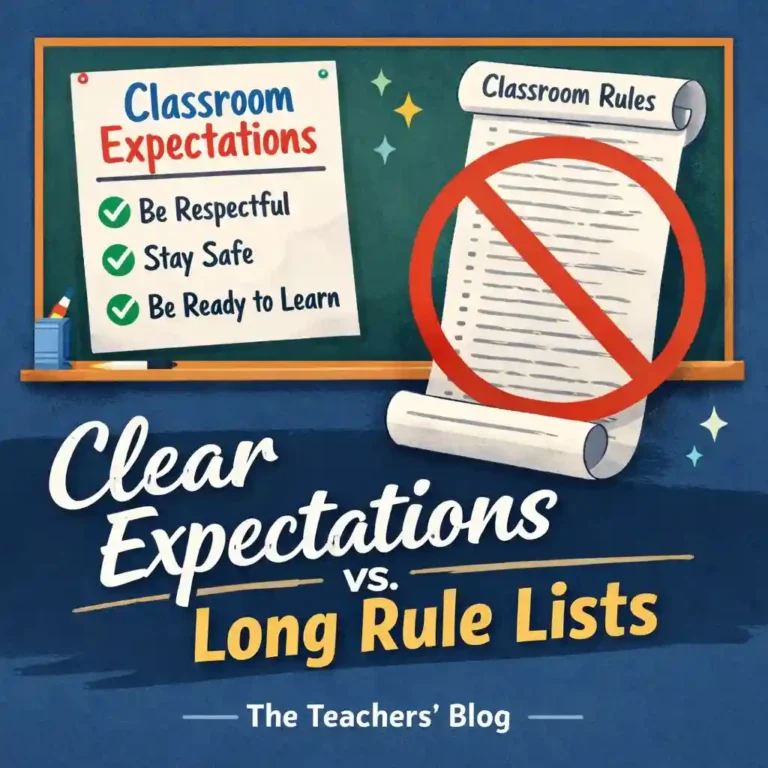
Punitive classroom management focuses on responding to misbehavior through consequences designed to discourage future infractions.
Common features include:
Detentions and removals
Public behavior tracking systems
Zero-tolerance policies
Reward–punishment cycles
Emphasis on compliance over understanding
While these systems may create short-term order, they often rely on fear, shame, or external control rather than genuine engagement.
The Hidden Cost of Punitive Models
Punitive systems tend to:
Address symptoms rather than causes
Escalate power struggles
Disproportionately impact marginalized students
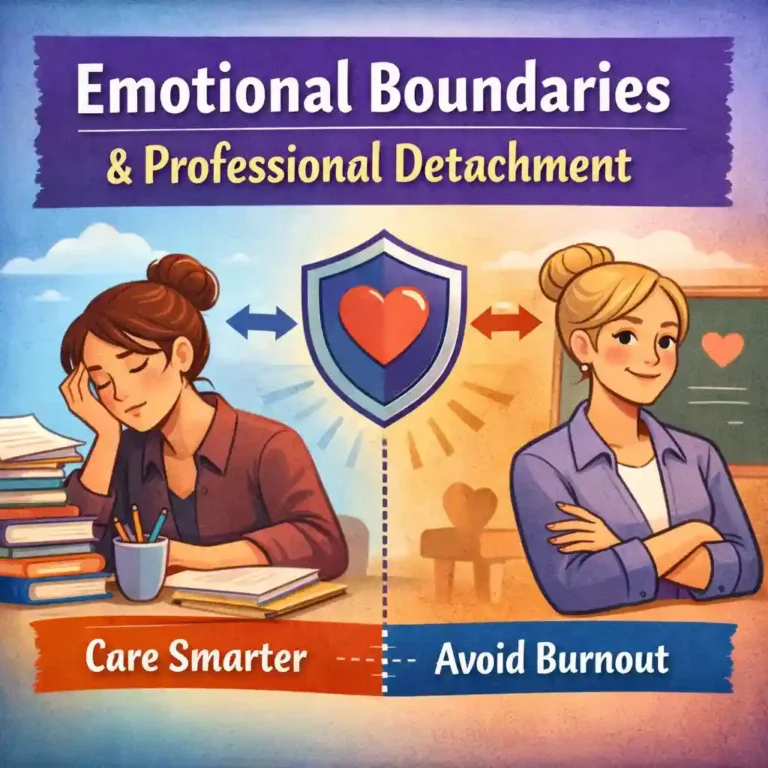
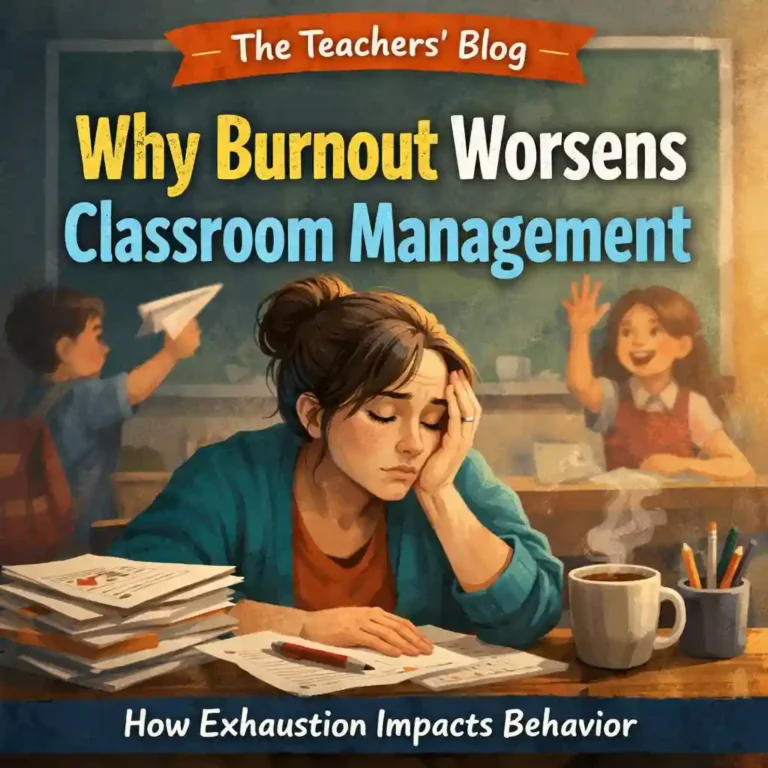
Increase teacher stress and emotional labor
Create classrooms that feel controlled—but not safe
Most importantly, they assume students already possess the skills needed to regulate themselves.
Often, they don’t.
What Is Preventative Classroom Management?
Preventative classroom management focuses on designing learning environments that reduce behavior issues before they occur.
Instead of asking:
“How do I respond when students act out?”
Preventative models ask:
“What conditions make positive behavior more likely?”
This shift reframes classroom management as instructional design, not discipline enforcement.
Core Principles of Preventative Classroom Management
1. Behavior Is Communication
Students rarely misbehave “for no reason.” Behavior often signals unmet needs, confusion, stress, boredom, or disconnection.
Preventative classrooms listen before they punish.
2. Environment Shapes Behavior
Room layout, transitions, clarity of instructions, pacing, and emotional tone all influence student behavior.
When classrooms are predictable and welcoming, students feel safer—and act accordingly.
3. Skills Must Be Taught
Self-regulation, collaboration, and conflict resolution are not automatic.
Preventative management treats these as learnable skills, not character flaws.
4. Relationships Are the Foundation
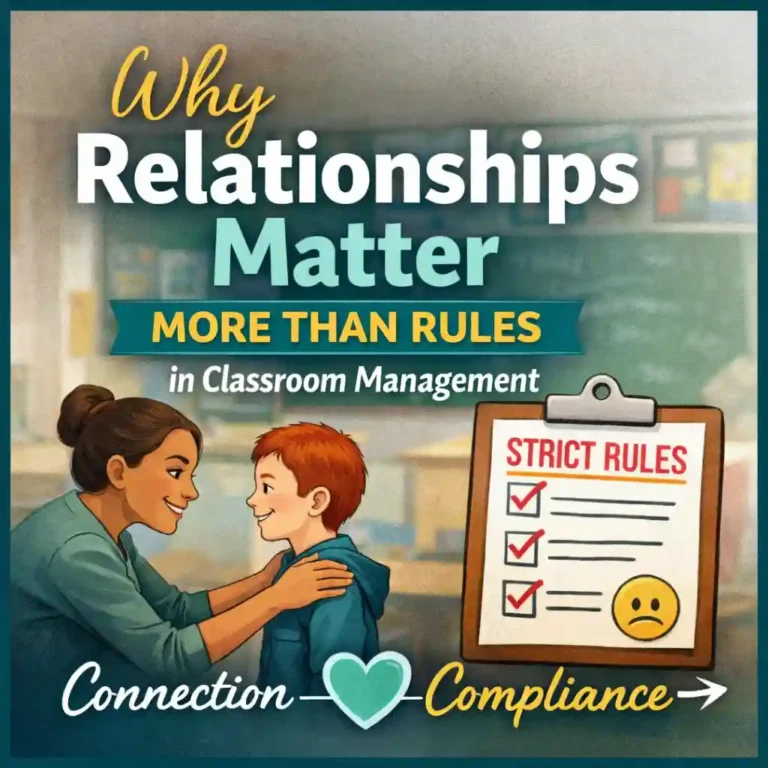
Students are far more likely to regulate their behavior for teachers they trust and feel respected by.
Connection is not “extra”—it is classroom management.
Punitive vs. Preventative: A Simple Comparison
| Feature | Punitive Model (Reactive) | Preventative Model (Proactive) |
| Timing | Reacts after behavior occurs. | Designs for success ahead of time. |
| Core Focus | Focuses on compliance and control. | Focuses on understanding and clarity. |
| Motivation | Uses fear, shame, or external rewards. | Builds intrinsic motivation and buy-in. |
| Teacher Role | Police officer/Enforcer (High stress). | Architect/Facilitator (Sustainable). |
| View of Behavior | Behavior is seen as defiance or a flaw. | Behavior is seen as communication/information. |
| Classroom Tone | Fragile; depends on teacher presence. | Resilient; systems run even with a sub. |
| Instructional Time | Frequently lost to constant corrections. | Maximized through smooth, taught transitions. |
| Primary Goal | Stopping the “wrong” thing. | Making the “right” thing easy to accomplish. |
Why Schools Are Moving Toward Preventative Models
Research consistently shows that preventative approaches:
Reduce repeated behavior incidents
Improve student engagement
Increase instructional time
Lower teacher burnout
Improve classroom climate and trust
Teachers using preventative classroom management often report fewer confrontations—not because students are “perfect,” but because the classroom system supports them better.
Practical Preventative Strategies Teachers Can Use Immediately
You don’t need a full overhaul. Small shifts matter.
✔ Predictable Routines
Clear beginnings, transitions, and endings reduce anxiety and off-task behavior.
✔ Clear Learning Intentions
Students act out less when they understand why they are doing something.
✔ Choice Within Structure
Limited, meaningful choices increase autonomy without sacrificing order.
✔ Emotional Check-Ins
Brief daily check-ins help students feel seen—and help you anticipate challenges.
✔ Proactive Relationship Building
Two minutes of genuine connection per student per week can change classroom dynamics.
A Common Misconception
Preventative classroom management is not:
Permissive
“Letting things slide”
Ignoring accountability
Boundaries still exist. Expectations still matter. Consequences still happen when needed—but they are instructional, not punitive.
Why This Shift Matters for Teachers
Preventative models don’t just benefit students—they protect teachers.
They reduce constant policing, emotional exhaustion, and adversarial relationships. They allow teachers to spend more time teaching and less time managing conflict.
In short, they make classrooms more humane—for everyone.
Reflection Question
Which classroom routines or expectations could be redesigned to prevent issues rather than respond to them?
Reflection
Which classroom routines or expectations could be redesigned to prevent issues rather than respond to them?
Frequently Asked Questions About Preventative Classroom Management
Is preventative classroom management the same as being permissive?
No. Preventative classroom management is not about letting things slide. In fact, it provides more structure, not less. Clear routines and predictable boundaries help students understand expectations so they don’t feel the need to test limits.
Does preventative classroom management work with “difficult” students?
Yes. Students who struggle with self-regulation often benefit the most from preventative approaches because the classroom environment provides the external structure and support they need to succeed.
Can I switch to a preventative classroom management approach in the middle of the year?
Absolutely. It’s possible to reset classroom expectations at any point in the year. Many teachers begin by introducing one clear preventative routine—such as a structured entry task—and explaining to students why the change will help everyone learn more effectively.
Continue the Classroom Management Course
In the next lesson, you’ll learn that while some rules are important, building relationships is far more effective.
Next Lesson: Why Relationships Matter More Than Rules
Module 1 Progress:
- Course Introduction
- What Is Classroom Management?
- The Shift from Punitive to Preventative Models
- Why Relationships Matter More Than Rules
- Common Myths That Make Management Harder
- Classroom Management as Instruction, Not Discipline
Back to Module 1 Overview
Return to Full Course Outline