Student Behavior Tracking Sheet: Simple Templates for Teachers
A practical teacher resource in our Classroom Behavior Tracking and PBIS data cluster. Explore evidence-based approaches, examples, and useful next steps.
A practical teacher resource in our Classroom Behavior Tracking and PBIS data cluster. Explore evidence-based approaches, examples, and useful next steps.

A practical teacher resource in our Classroom Behavior Tracking and PBIS data cluster. Explore evidence-based approaches, examples, and useful next steps.

A student’s ability to learn depends on more than what happens inside the classroom. Feeling safe, respected, and included can shape how students participate, build relationships, and respond to challenges. These everyday experiences are influenced by the culture a school creates. Building a positive school culture takes deliberate effort. Strong collaboration, inclusive practices, teacher support,…
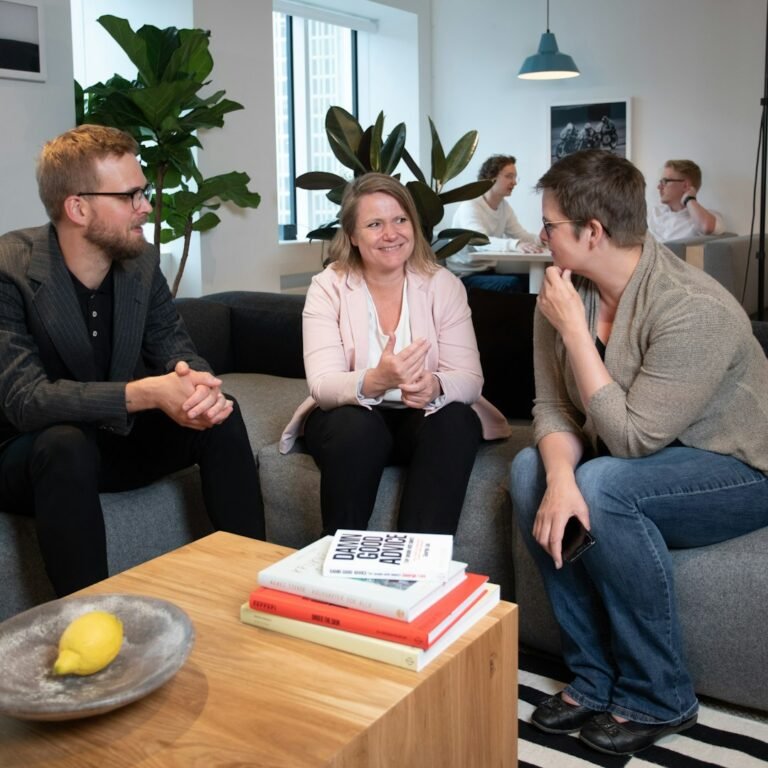
Better school discipline is neither permissive nor punitive. Schools need clear expectations, fair consequences, strong support, and consistent follow-through.
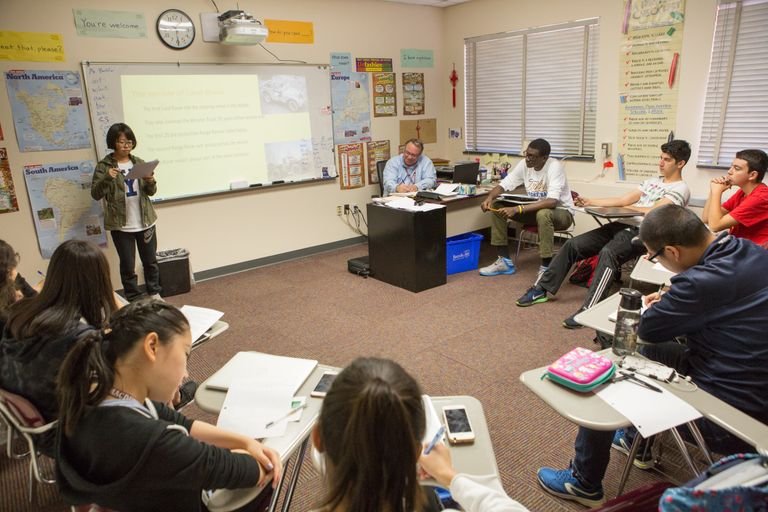
Classroom disruption affects more than the student involved. It costs peers attention, learning time, confidence, and trust in the school environment.
Teacher safety in schools affects morale, retention, and student learning. Research shows why administrators must treat staff safety as a core priority.

School discipline problems drain instructional time, weaken school culture, and frustrate teachers. Here’s what the data says administrators should do.
A new randomized classroom management study suggests teacher coaching works best when it addresses both strategy and the barriers that keep teachers from using it consistently.
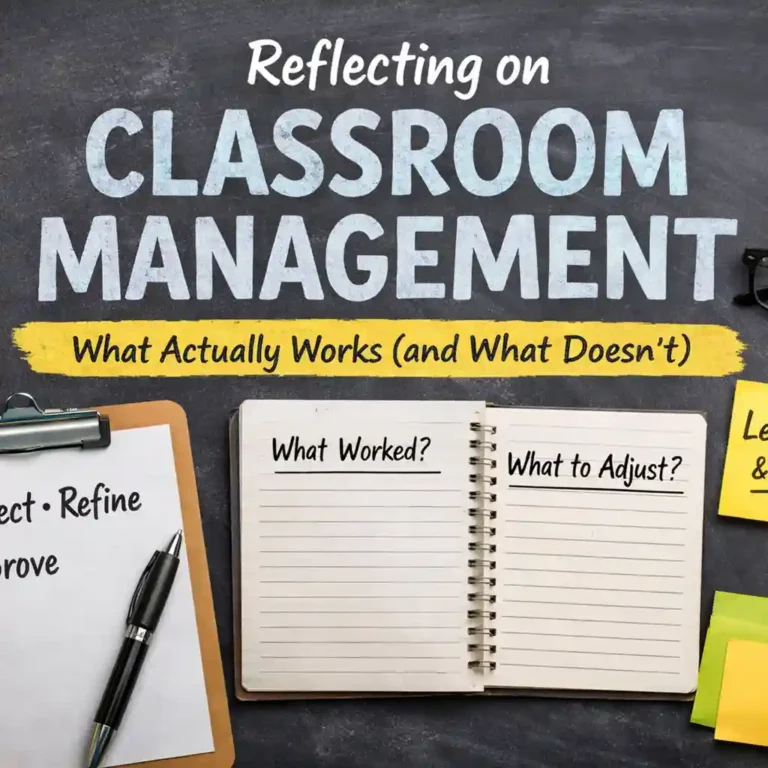
Reflective classroom management is the process of turning daily challenges into professional expertise. By shifting from emotional reactions to a “researcher’s mindset,” teachers can identify patterns in student behavior and refine their systems for better results. Consistent reflection ensures that your management style remains responsive, sustainable, and focused on building a high-trust environment rather than…
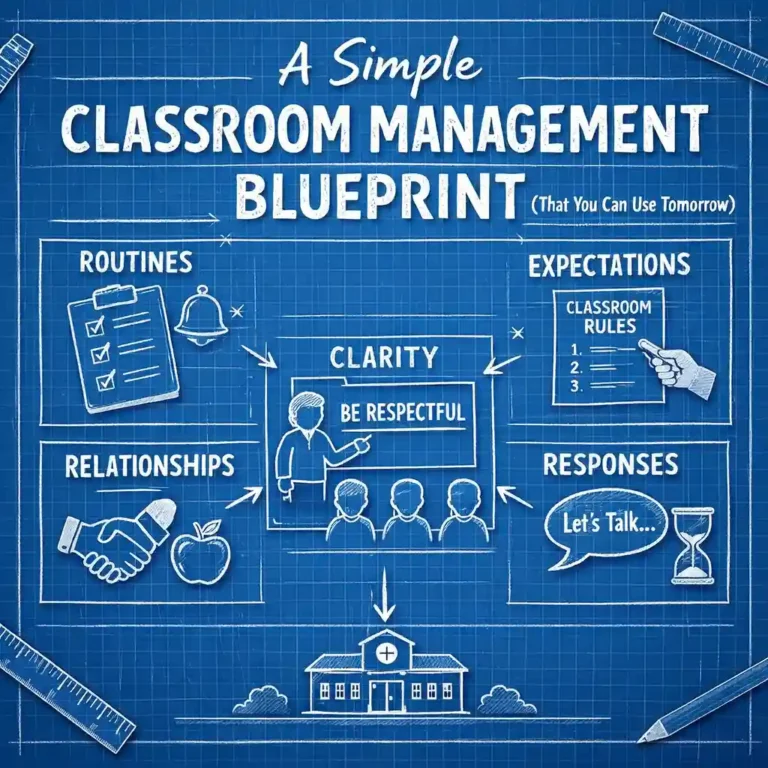
A classroom management blueprint serves as a daily operating system that prioritizes proactive structure over reactive discipline. By organizing your approach into five core pillars—Relationships, Structure, Clarity, Consistency, and Response—you create a predictable environment that fosters behavioral fluency. This simple, one-page plan reduces teacher decision fatigue and ensures that management remains sustainable and effective even…