
Edutopia Project Based Learning: What It Is and How to Start
If you’ve ever searched for edutopia project based learning, you’ve probably landed on a collection of articles, videos, and guides that can feel overwhelming to sort through. Edutopia has been one of the most trusted names in education media for years, and their coverage of PBL is extensive, but knowing where to start and what actually matters for your classroom isn’t always obvious.
That’s exactly the kind of challenge we focus on here at The Cautiously Optimistic Teacher: taking proven strategies and breaking them down into actionable steps you can use right away. Project-based learning isn’t new, but the research behind it keeps growing, and so do the practical tools available to make implementation realistic, even for teachers with packed schedules.
This article walks you through what Edutopia’s approach to PBL actually looks like, why the research supports it, and how to move from reading about it to doing it. Whether you’re exploring PBL for the first time or looking to refine what you’ve already tried, you’ll leave with a clear framework for getting started.
What Edutopia means by project-based learning
When you read through edutopia project based learning resources, one thing becomes clear quickly: Edutopia treats PBL as a structured teaching method, not a loose activity or end-of-unit bonus. Their coverage consistently points back to a specific definition built on research, and understanding that definition is the first step before you try to run any PBL unit in your classroom.
The core definition Edutopia uses
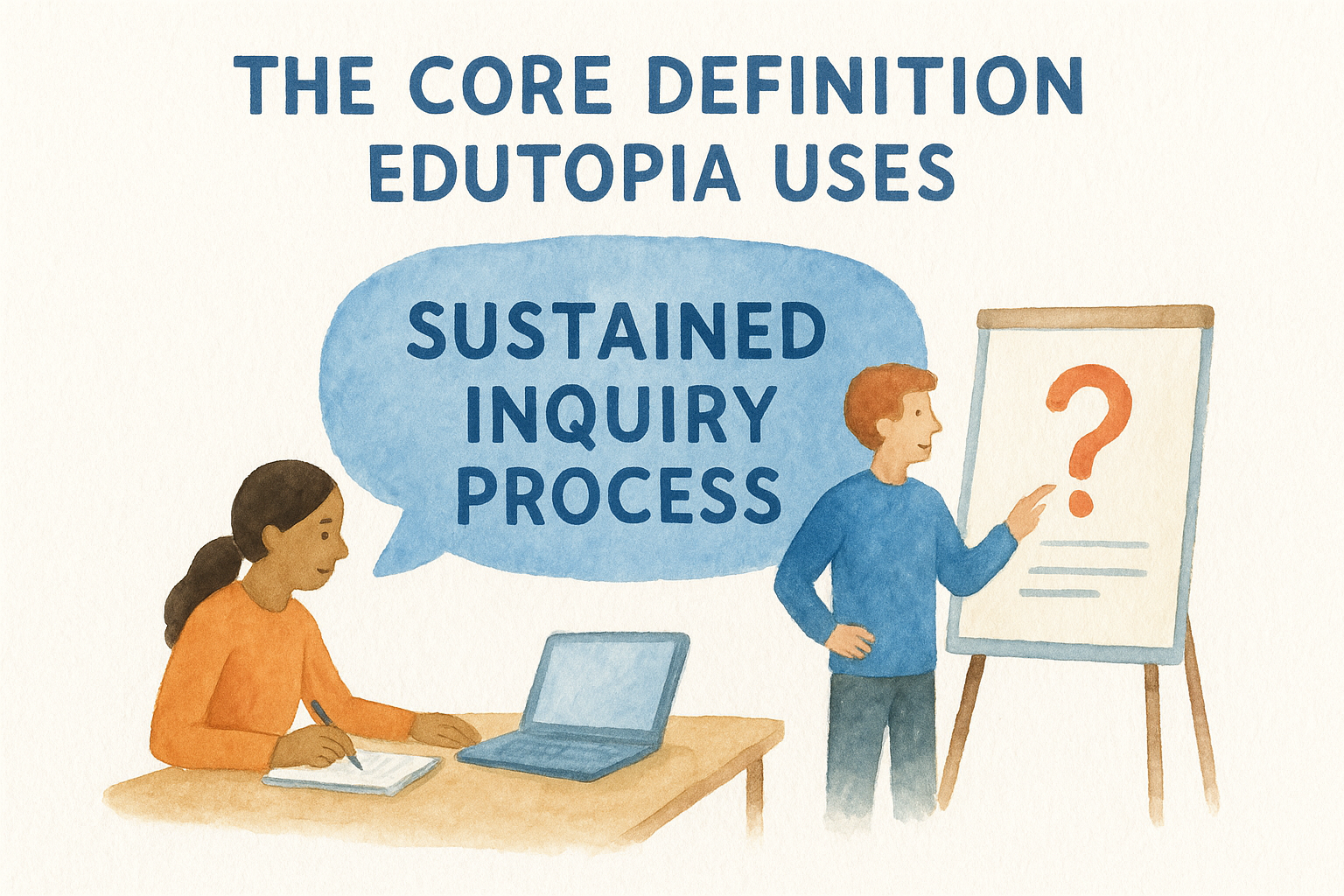
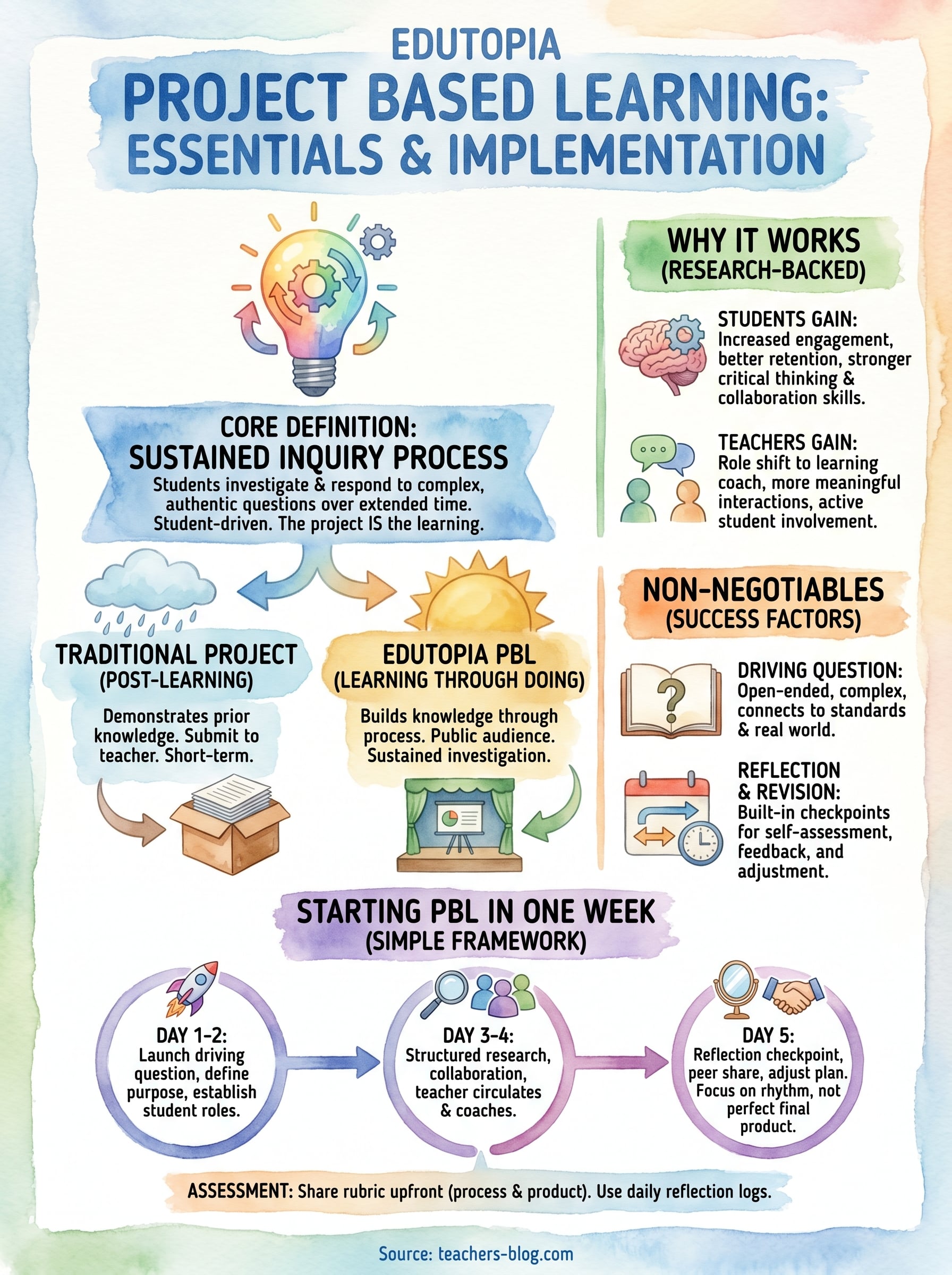
Edutopia defines project-based learning as a sustained inquiry process where students work over an extended period to investigate and respond to a complex, authentic question or problem. The key word here is "sustained." This isn’t a two-day group assignment. Students drive the investigation, make decisions, and build something real, whether that’s a proposal, a presentation, a product, or a performance.
The driving question is the engine of the whole unit. Without a strong, open-ended question, students have nothing meaningful to investigate.
Their framework also emphasizes that the project IS the learning, not a summary of learning that already happened. That shift in thinking changes how you plan instruction, how you use class time, and how you assess students.
What makes it different from a regular project
Most teachers have assigned projects before, but Edutopia draws a clear line between a traditional project and true PBL. A traditional project usually asks students to demonstrate knowledge they’ve already received through direct instruction. PBL flips that: students build knowledge through the process of doing the project itself.
Edutopia also emphasizes that strong PBL includes a public audience for the final product. Students aren’t just turning something in to you; they’re presenting their work to a real audience, which raises the stakes and makes the learning feel purposeful.
Why PBL works for students and teachers
Well-designed edutopia project based learning units are backed by real research. Studies consistently show that students who learn through PBL retain content longer and apply it more flexibly across new contexts than those who received only direct instruction.
What students gain from PBL
Student engagement increases when the work feels real and connected to something beyond a grade. Research from the Buck Institute for Education found that PBL students score higher on content assessments and develop stronger critical thinking skills than peers in traditional classrooms.
When students see a clear purpose for their learning, they push through challenges rather than shutting down.
Your students also build collaboration and communication skills through PBL in ways that a traditional assignment rarely demands. Those skills transfer directly to any future academic or professional setting.
What teachers gain from PBL
PBL changes your role from information deliverer to learning coach. That shift means fewer passive students during class and more meaningful conversations about the content you actually care about teaching.
Once the unit is running, students drive the daily work, and your planning shifts to the front of the unit rather than spreading across each lesson. That frees you to circulate, coach, and observe in ways that direct instruction rarely allows.
The non-negotiables of a strong PBL unit
Every edutopia project based learning resource points to the same core elements that separate a strong PBL unit from a well-intentioned activity that falls apart mid-week. Knowing these non-negotiables before you plan saves you from redesigning everything on the fly once students are already in the middle of their work.
A driving question that holds the unit together
Your driving question needs to be open-ended and genuinely complex, something students cannot answer with a quick search. It should connect to real-world stakes and give students a clear reason to investigate. Without this anchor, students lose direction fast, and you spend your time redirecting rather than coaching. The question should also connect directly to the content standards you need to cover.
A strong driving question doesn’t have one right answer. It has many defensible ones, and students have to build the evidence to support theirs.
Built-in reflection and revision time
Reflection is not optional in a solid PBL unit. Students need structured checkpoints where they assess their own progress, gather peer feedback, and adjust their approach before the final product lands. Revision time built into your unit calendar signals to students that quality matters more than speed, which changes how seriously they approach each stage of the work.
How to start with PBL in one week
Starting with edutopia project based learning doesn’t require a full curriculum overhaul. You can test the core structure of PBL within a single week by focusing on three things: a solid driving question, clear student roles, and at least one reflection checkpoint before the week ends.
You don’t need to do everything perfectly the first time. You need to do enough to see what PBL actually feels like in your classroom.
Day-by-day breakdown for your first PBL week
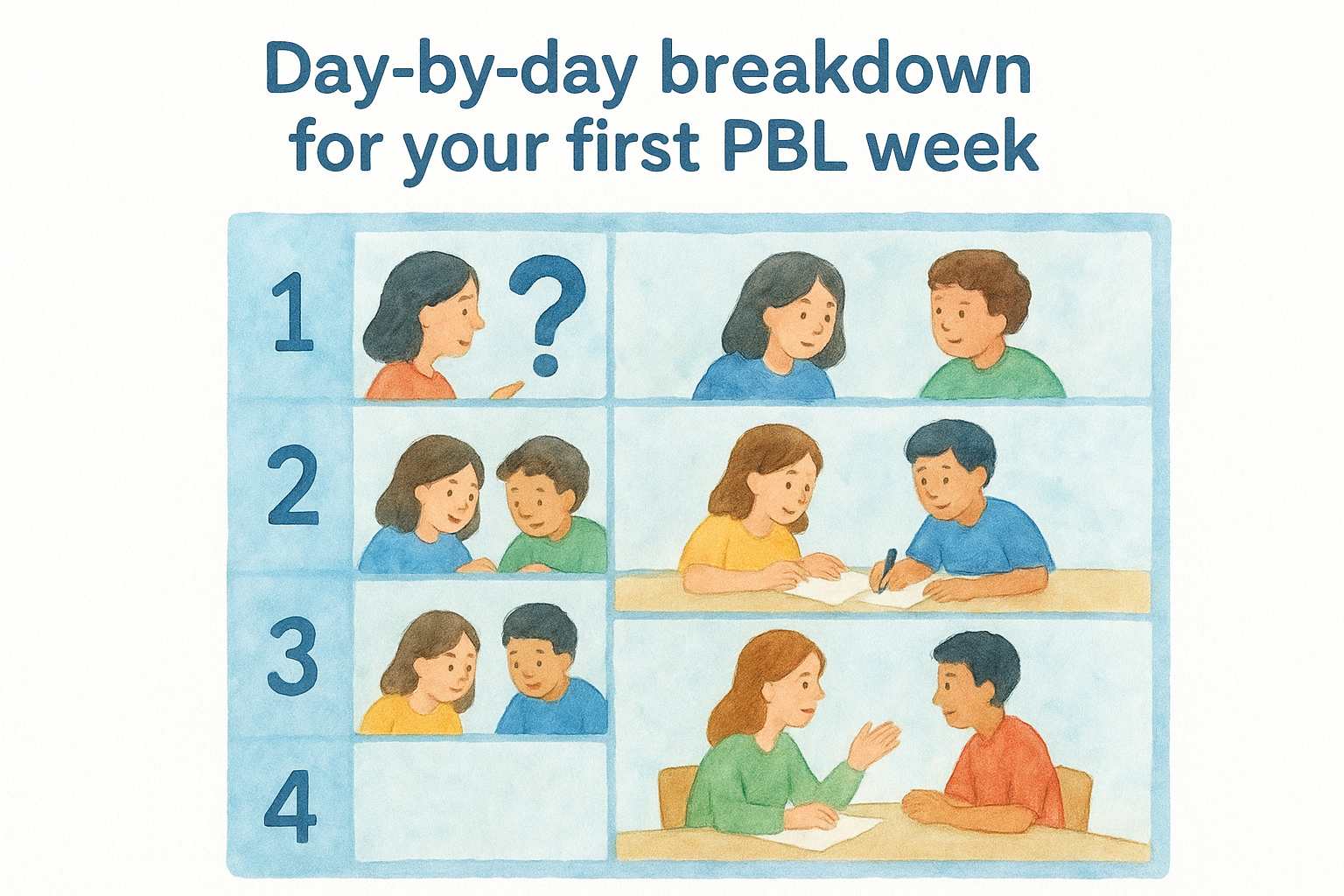
Days one and two should focus on launching the driving question and helping students understand what they’re investigating and why it matters to someone beyond the classroom. Days three and four are for structured research and collaboration, where you circulate and coach rather than direct. Save day five for a reflection checkpoint where students share progress with a peer and adjust their plan before the following week continues.
What to keep simple at the start
Resist the urge to build a complex final product during your first PBL attempt. A short presentation or a one-page proposal works fine. Your goal this week is to experience the rhythm of PBL, not to produce a showcase-ready product.
Keeping things simple also helps you identify what broke down and where students lost focus. Those observations become your planning notes for the next unit, and each round of PBL you run gets significantly easier.
Assessment and grading in PBL without chaos
One of the biggest fears teachers have when exploring edutopia project based learning is grading. When students work in groups on open-ended problems, knowing what to assess and how to score it fairly can feel complicated before you’ve run a unit. PBL grading becomes manageable once you separate the process from the product and build your assessment tools before the unit launches, not after.
Use a rubric students see on day one
Give students the grading rubric before they start, not after they finish. When students know exactly what quality looks like at each stage, they self-monitor more effectively and produce stronger work. Your rubric should assess both individual contributions and the final product so that no one hides behind a group grade while others carry the load.
Sharing the rubric upfront isn’t giving away answers. It’s giving students the target they need to aim for.
Grade the process, not just the outcome
Daily reflection logs or short progress checks give you a window into individual thinking that a final product alone can’t show. These quick check-ins take about five minutes to review but tell you who is driving the work and who needs a nudge, letting you intervene before the final deadline rather than after it passes.
Your next step with PBL
The research behind edutopia project based learning is clear, and the framework is more approachable than it looks from the outside. You don’t need a perfect unit plan or a full semester mapped out before you try it. Pick one upcoming topic, draft a driving question, and run the one-week structure outlined above. That single attempt will teach you more about PBL than any amount of reading will.
Your students will surprise you once they have a real problem to solve and a real audience to present to. The first unit won’t be flawless, and that’s fine. What matters is that you build experience with the rhythm of PBL so each round gets smoother. If you want more practical teaching strategies and ready-to-use resources built for busy educators, visit The Cautiously Optimistic Teacher and explore what’s available to support your classroom work.