
Standards Based Grading Pros And Cons: 5 Teacher Realities
You’ve probably sat through at least one PD session where someone pitched standards-based grading as the answer to everything wrong with traditional report cards. Or maybe your district is already rolling it out, and you’re trying to figure out what it actually means for your Monday morning. Either way, understanding the standards based grading pros and cons is essential before you form an opinion, or before one gets formed for you. The shift sounds promising on paper, but classroom reality has a way of complicating things.
Here at The Cautiously Optimistic Teacher, we build resources that help educators make informed decisions about their practice, whether that’s lesson planning, AI tools, or rethinking how we assess student learning. So we dug into what standards-based grading actually looks like when real teachers implement it: the wins, the headaches, and the honest trade-offs that rarely make it into the sales pitch from curriculum consultants.
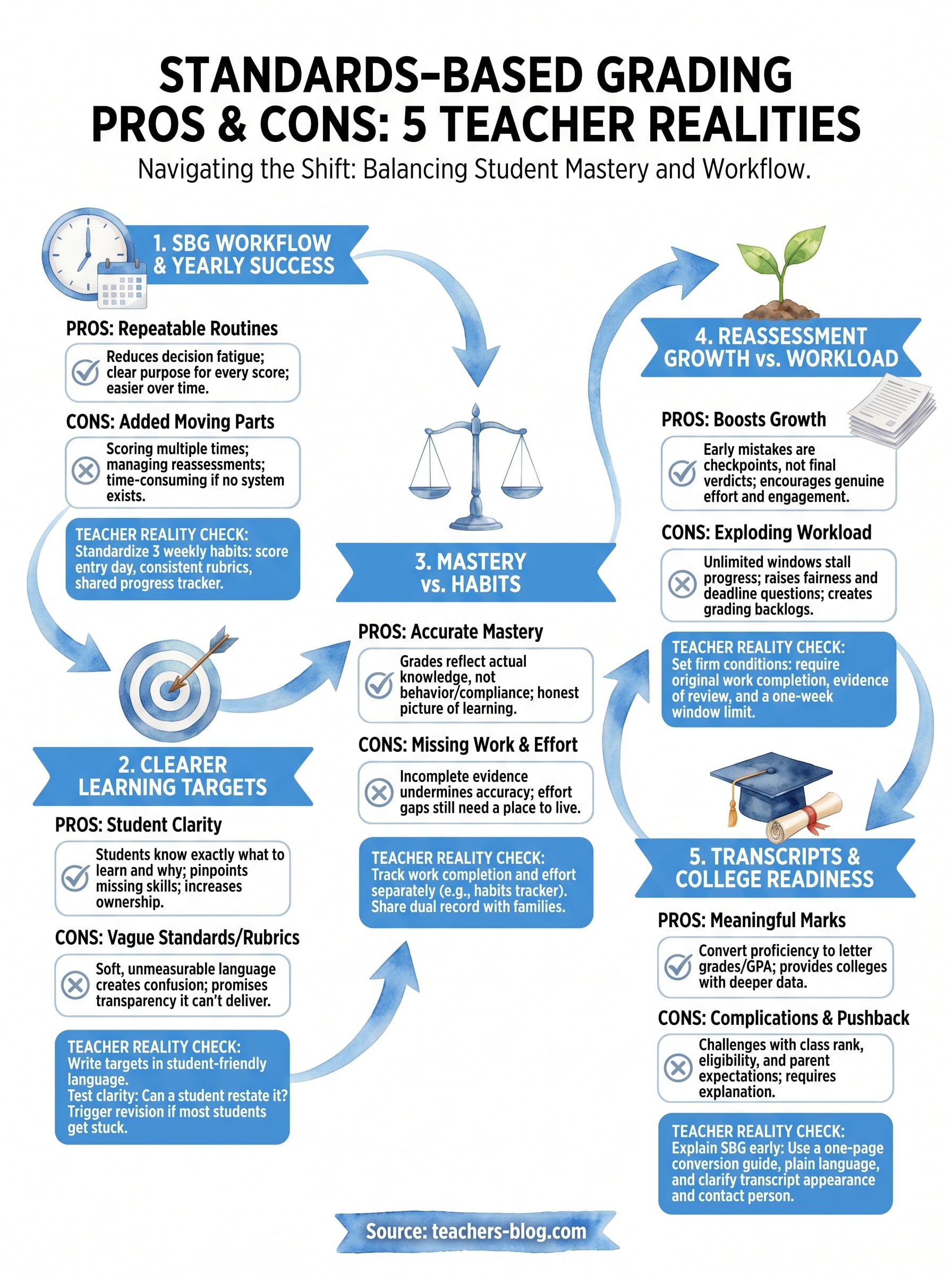
This article breaks down five realities teachers face with standards-based grading, covering everything from improved student mastery to the logistical challenges that can slow you down. If you’re weighing whether this system helps or hurts college readiness and daily workflow, you’re in the right place.
1. Your SBG workflow can make or break the year
Most teachers who struggle with standards-based grading don’t fail because of the philosophy. They fail because no one gave them a system that fits inside an actual school week. Before you weigh the standards based grading pros and cons in theory, you need to accept that your daily workflow is the foundation everything else rests on. Get the workflow wrong, and even the best grading philosophy will bury you by October.
The pro: SBG gets easier when you build repeatable routines
When you set up consistent tracking templates and scoring cycles, SBG starts to run more smoothly. Teachers who build a weekly rhythm around entering scores, flagging incomplete standards, and updating student progress find that the system actually reduces decision fatigue over time. You stop asking "what does this grade mean?" and start asking "has this student mastered this skill?" That shift alone is worth the setup investment.
Once your routines are locked in, SBG takes less mental energy to manage than traditional gradebooks because every score has a clear purpose.
The con: SBG adds moving parts that can swallow your time
The first semester with SBG often feels like you’re scoring everything twice: once for the assignment and once for each standard it covers. Tracking multiple proficiency scores per student per unit, managing reassessment requests, and maintaining living gradebooks can pile up fast. If your school hasn’t provided a dedicated platform or a clear scoring guide, you’ll spend more time building systems than actually teaching.
Teacher reality check: what to standardize first so you stay sane
Pick three non-negotiable weekly habits and lock them in before you try anything else:
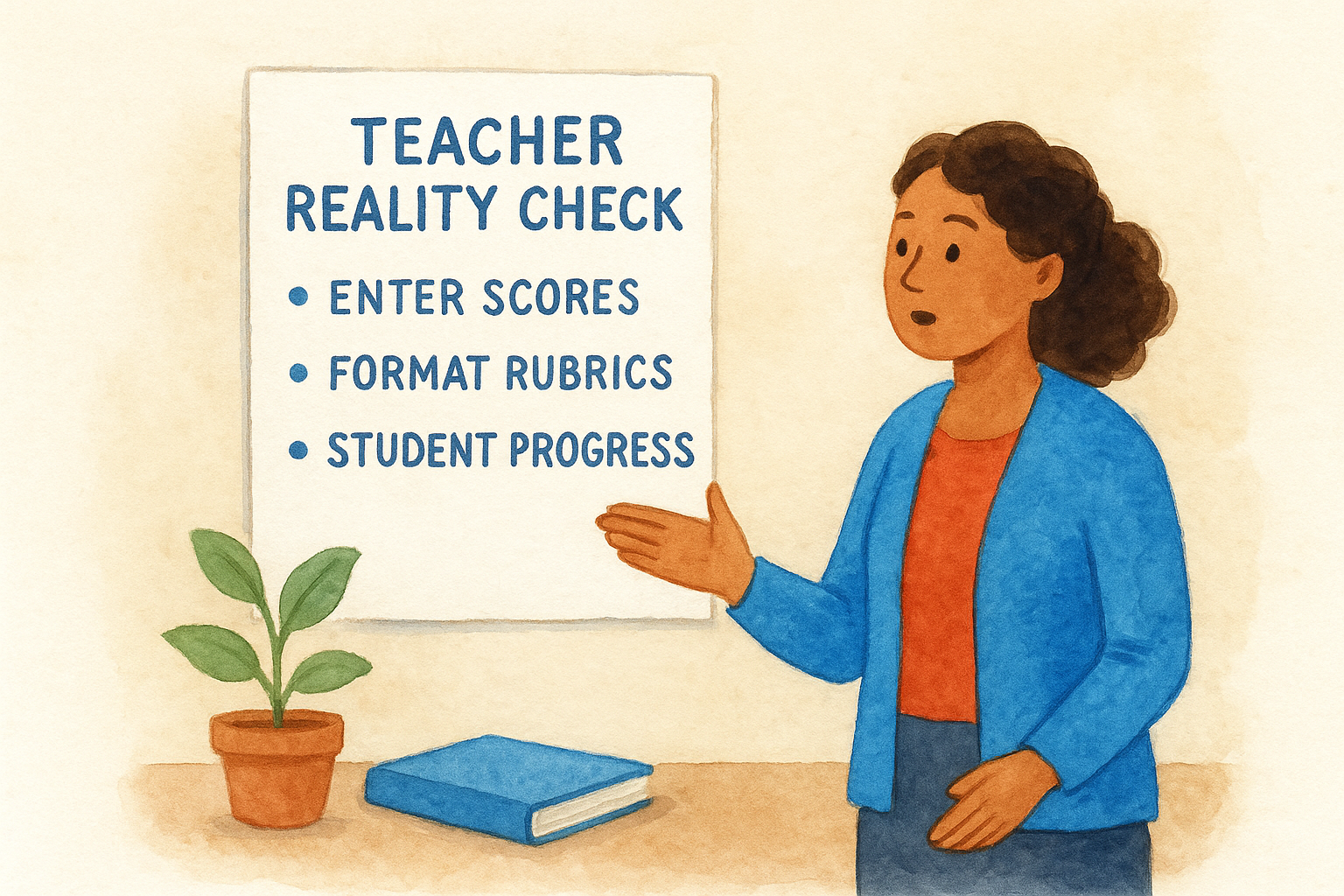
- When you enter scores into your gradebook, same day every week
- How you format your rubrics, using one consistent proficiency scale
- Where students check their own progress, whether that’s a shared doc or a posted tracker
Start with one unit as a pilot before rolling SBG across all your classes. Teachers who survive the transition treat it as a gradual build, not a full replacement of everything they already do well.
2. SBG makes learning targets clearer than letter grades
One of the most important standards based grading pros and cons to understand is transparency. Traditional letter grades compress a semester of learning into a single number that tells students very little about where they actually stand. SBG flips that by anchoring every score to a specific, named skill, so students always know what they’re working toward and what mastery actually looks like before the assessment arrives.
The pro: students know what they must learn and why
When you post clear learning targets tied to specific standards, students stop guessing about what matters on any given assignment. They can look at a rubric and pinpoint exactly which skill they haven’t demonstrated yet, which reduces "what do I need to do to pass?" conversations and replaces them with something far more focused.
Students who understand their own learning targets take more ownership over what they practice and how they ask for help.
The con: weak standards and vague rubrics create confusion fast
Clarity only works if your targets are actually clear. Poorly written standards or rubrics with generic descriptors like "demonstrates understanding" give students nothing concrete to act on. You end up creating more confusion, not less, because the system promises transparency it cannot deliver with soft, unmeasurable language.
Teacher reality check: how to write and revise targets students can use
Write targets in student-friendly language and test each one by asking a student to explain what mastery looks like in their own words. Use these two checkpoints every unit:
- Clarity test: Can a student restate the target without your help?
- Revision trigger: Where did most students get stuck on the assessment?
3. SBG separates academic mastery from habits and compliance
One of the most debated standards based grading pros and cons is what actually belongs in a grade. Traditional systems fold late penalties, participation points, and extra credit into the same score meant to show content knowledge. SBG draws a hard line: your grade reflects what a student knows and can do, not whether they remembered to bring a pencil or spoke up in class discussion.
The pro: grades reflect what students know, not behavior points
When you strip behavior from the grade, you get an accurate picture of student learning. A student who struggles with organization but genuinely understands the material earns a score that reflects that understanding, not a deflated average that punishes their habits. This makes grades more honest and more useful for identifying where to focus instruction next.
Separating mastery from compliance means your gradebook tells you what a student actually knows, not how well they follow the rules.
The con: missing work and low effort still need a place to live
Removing behavior from grades does not make missing assignments or low participation disappear. You still need a way to address students who skip work entirely, because incomplete evidence means you cannot measure mastery at all. Without a clear policy, effort gaps can quietly undermine the accuracy of the very scores SBG promises to protect.
Teacher reality check: how to track habits without warping mastery
Track work completion and effort separately using a simple habits tracker alongside your gradebook. A two-column system, one for mastery scores and one for behavioral indicators, lets you report both without letting either contaminate the other. Share this dual record with families so no one assumes a high mastery score means all work was submitted on time.
4. Reassessments boost growth, but they can explode your workload
Reassessment is one of the most compelling standards based grading pros and cons to examine closely, because it sits at the intersection of what’s best for students and what’s sustainable for teachers. The idea is sound: if the goal is mastery rather than performance on a single date, then students should have a chance to try again after more practice. Where it gets complicated is the logistics, and without firm policies in place, retakes can quietly consume your planning time and your patience.
The pro: students can recover from early mistakes and keep learning
When reassessment is built into your system, students treat early assessments as checkpoints rather than final verdicts. This shift in mindset often leads to more genuine effort on practice work, because students understand that growth is still possible after a rough start. Teachers consistently report higher engagement from students who previously shut down after one bad grade.
Reassessment tells students that their learning trajectory matters more than a single snapshot in time.
The con: retakes raise fairness, rigor, and deadline questions
Offering retakes without clear boundaries creates real problems. Unlimited reassessment windows can stall unit progress and blur grade-period deadlines. Students who retake the same assessment without doing meaningful additional practice don’t demonstrate new learning, which undermines the integrity of your scores and creates grading backlogs.
Teacher reality check: reassessment rules that protect your time
Set firm, non-negotiable conditions before any student schedules a retake:
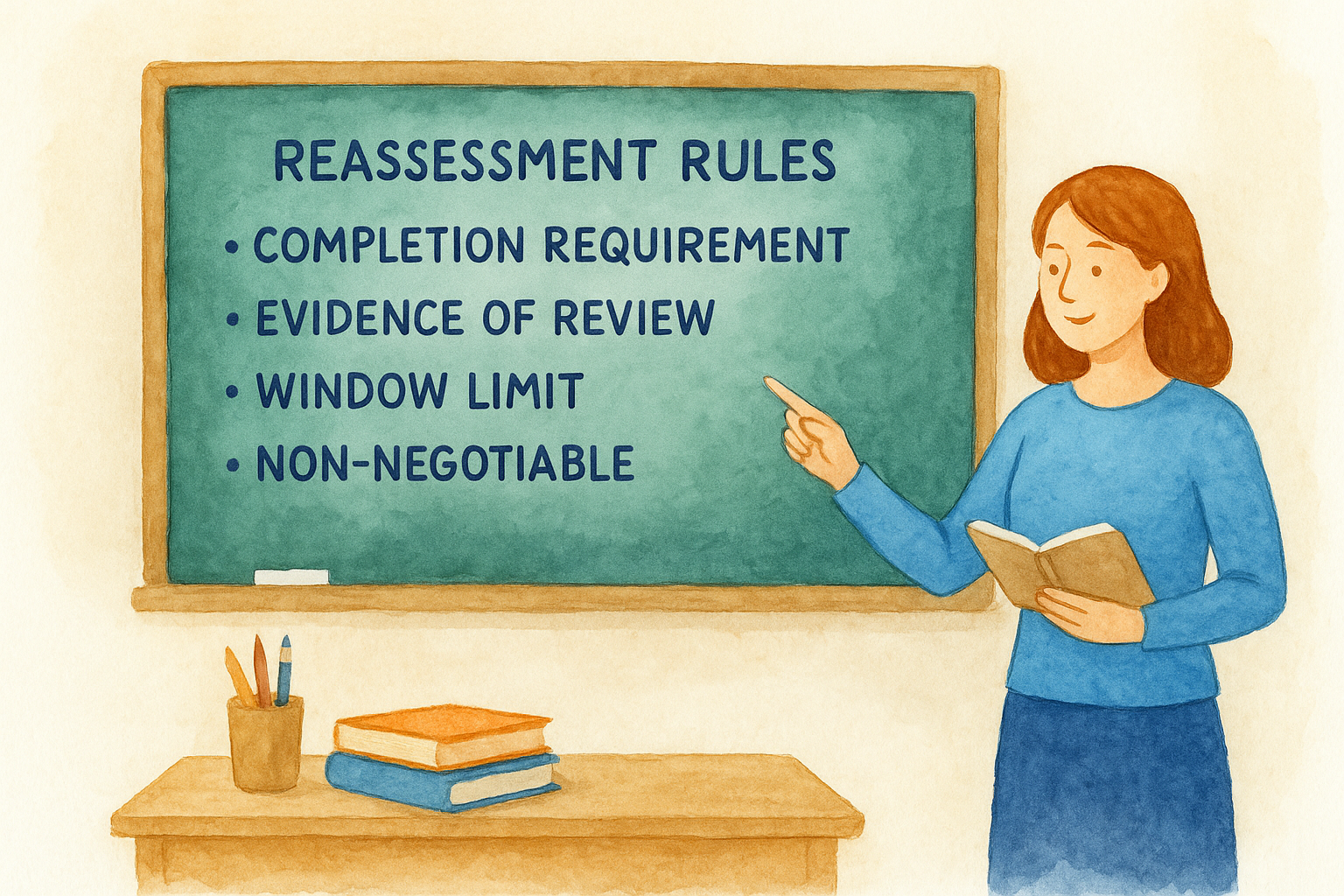
- Completion requirement: all original practice work must be submitted first
- Evidence of review: students submit a short reflection identifying what they missed and what they studied differently
- Window limit: retakes close within one week of the returned assessment
5. SBG can fit transcripts and college readiness, with planning
Among all the standards based grading pros and cons teachers debate, the college readiness question creates the most anxiety. Parents worry that a proficiency score of 3 out of 4 won’t translate on a transcript, and guidance counselors sometimes push back on systems that don’t produce a clean GPA. The good news: translation is possible, but it requires deliberate planning from the start.
The pro: you can translate mastery into marks colleges understand
Many districts already use conversion scales that map proficiency levels to letter grades or GPA points for official transcripts. When you document this conversion clearly and consistently, colleges receive the same information they would from any traditional transcript, just with more meaningful data behind each score.
A well-documented SBG conversion scale protects students during college applications without sacrificing the depth of mastery reporting.
The con: GPA, class rank, eligibility, and parent expectations complicate it
Class rank calculations, athletic eligibility requirements, and scholarship GPA thresholds all assume a points-based system most families recognize. When your school shifts to SBG without briefing stakeholders first, confusion and pushback arrive fast, often before the benefits become visible.
Teacher reality check: how to explain SBG to families and stakeholders
Hold a short parent information session at the start of the year using a one-page document that shows exactly how mastery scores convert to transcript grades. Cover three points directly:
- What each proficiency level means in plain language
- How scores appear on official transcripts
- Who families can contact with questions during the year
Where to go from here
Understanding the standards based grading pros and cons does not require you to commit to a full system overhaul tomorrow. What it does require is honest reflection about what your current grades actually communicate and whether they serve your students or just your gradebook. The five realities in this article point toward one clear pattern: SBG works best when teachers build deliberate structures around it, not when they adopt it wholesale without a plan.
Start small. Pick one unit, one class, and one tracking system and test it for a full grading cycle before expanding. Document what worked, what broke, and what you would change. Teaching is always an experiment, and grading is no different.
For more tools and strategies that help you work smarter inside your classroom, visit The Cautiously Optimistic Teacher and explore resources built specifically for educators who want practical, realistic support.