
Classroom Management Research: Why Teacher Coaching Matters
A new randomized classroom management study suggests teacher coaching works best when it addresses both strategy and the barriers that keep teachers from using it consistently.

A new randomized classroom management study suggests teacher coaching works best when it addresses both strategy and the barriers that keep teachers from using it consistently.

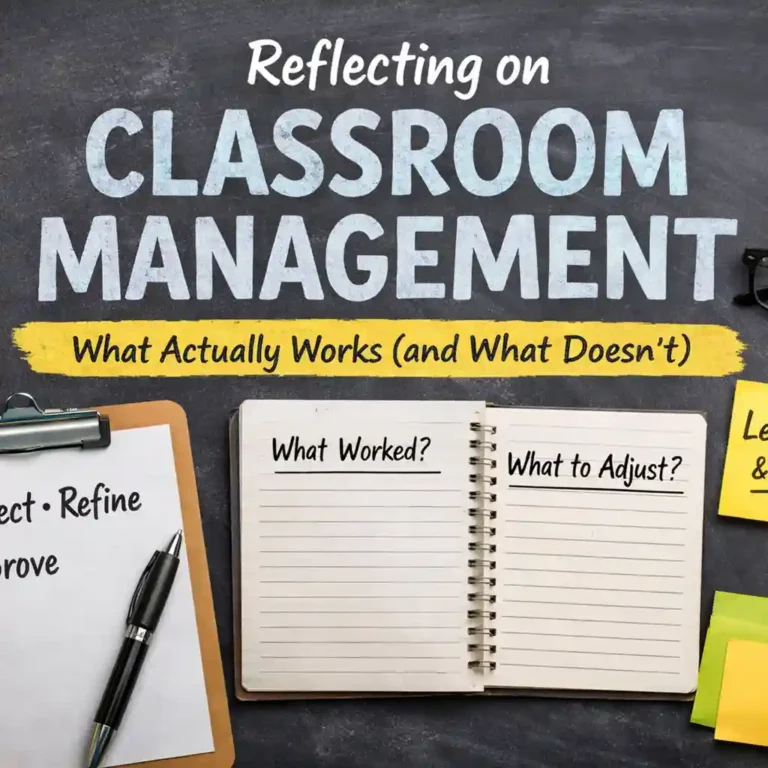
Reflective classroom management is the process of turning daily challenges into professional expertise. By shifting from emotional reactions to a “researcher’s mindset,” teachers can identify patterns in student behavior and refine their systems for better results. Consistent reflection ensures that your management style remains responsive, sustainable, and focused on building a high-trust environment rather than…

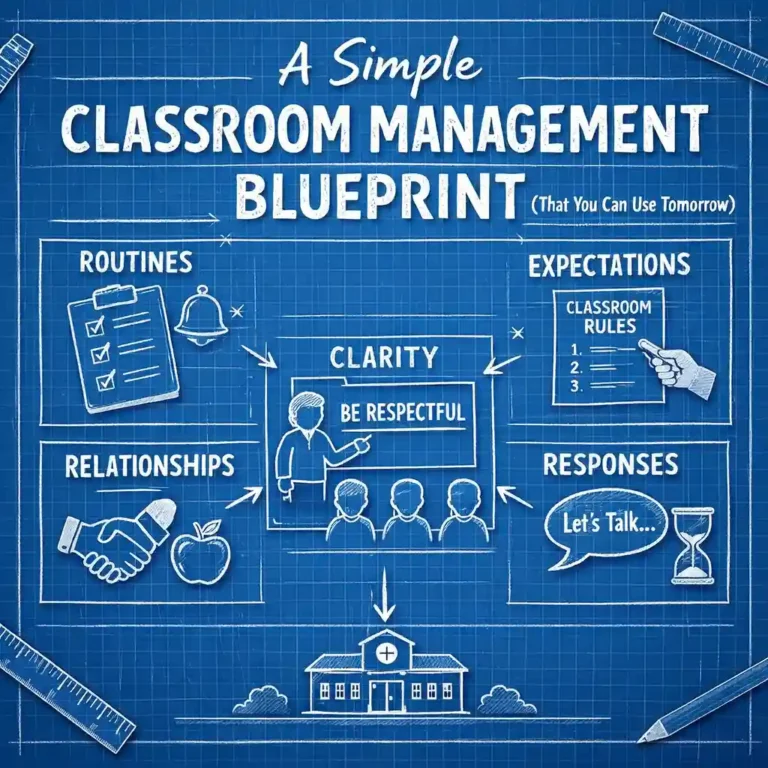
A classroom management blueprint serves as a daily operating system that prioritizes proactive structure over reactive discipline. By organizing your approach into five core pillars—Relationships, Structure, Clarity, Consistency, and Response—you create a predictable environment that fosters behavioral fluency. This simple, one-page plan reduces teacher decision fatigue and ensures that management remains sustainable and effective even…

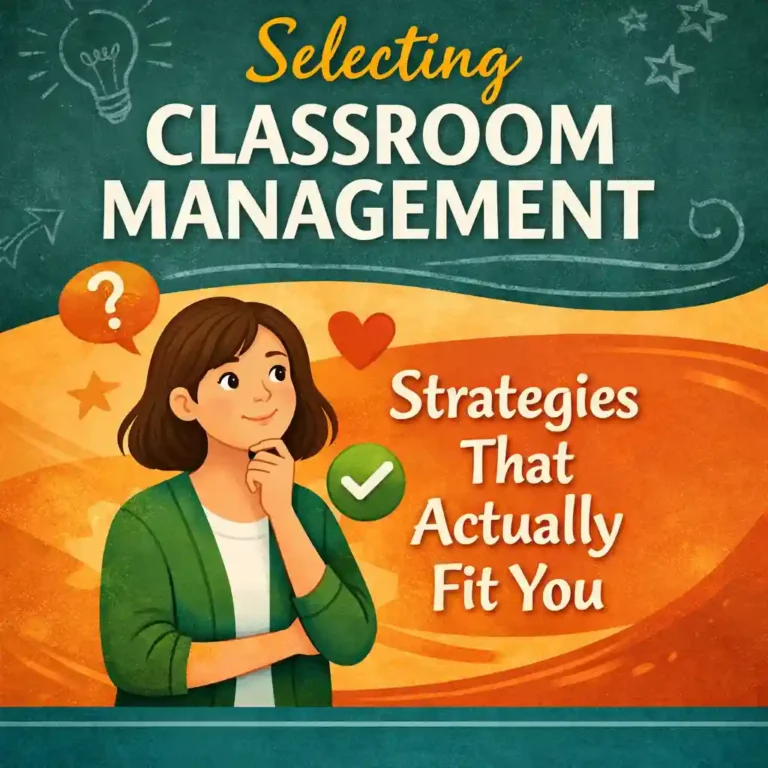
The most effective classroom management strategies are those that a teacher can sustain consistently over the long term. Rather than copying “best practices” that feel inauthentic, teachers should select tools that align with their natural energy levels and professional personality. By matching strategies to both teacher identity and student needs, you create a stable, high-trust…

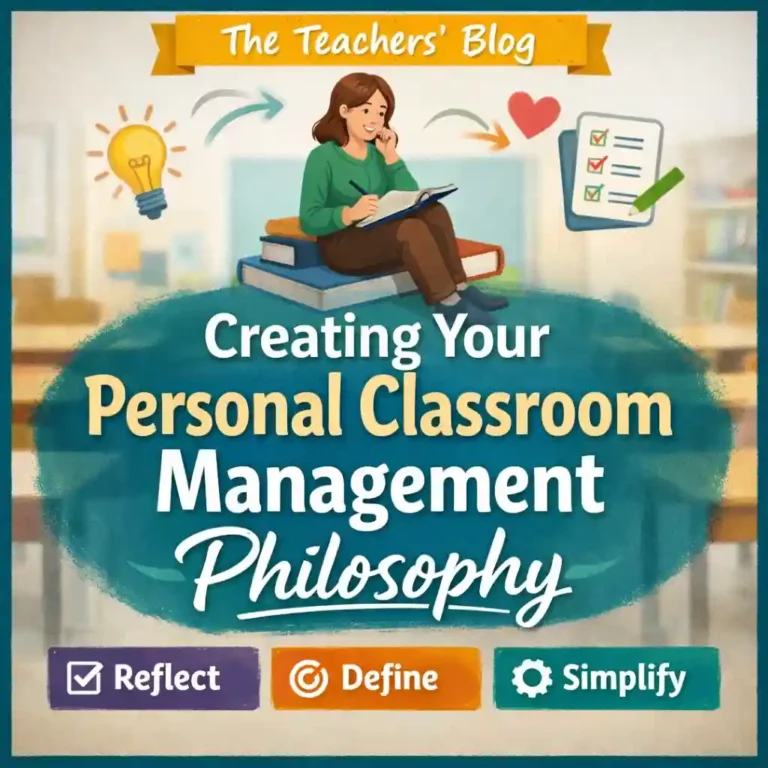
A personal classroom management philosophy is the internal compass that guides every teacher’s interactions and decisions. By clearly defining your beliefs about behavior, respect, and consistency, you move from reactive “firefighting” to intentional, relationship-based leadership. This philosophy is the foundation of behavioral fluency, ensuring that even on your most difficult days, your responses remain aligned…

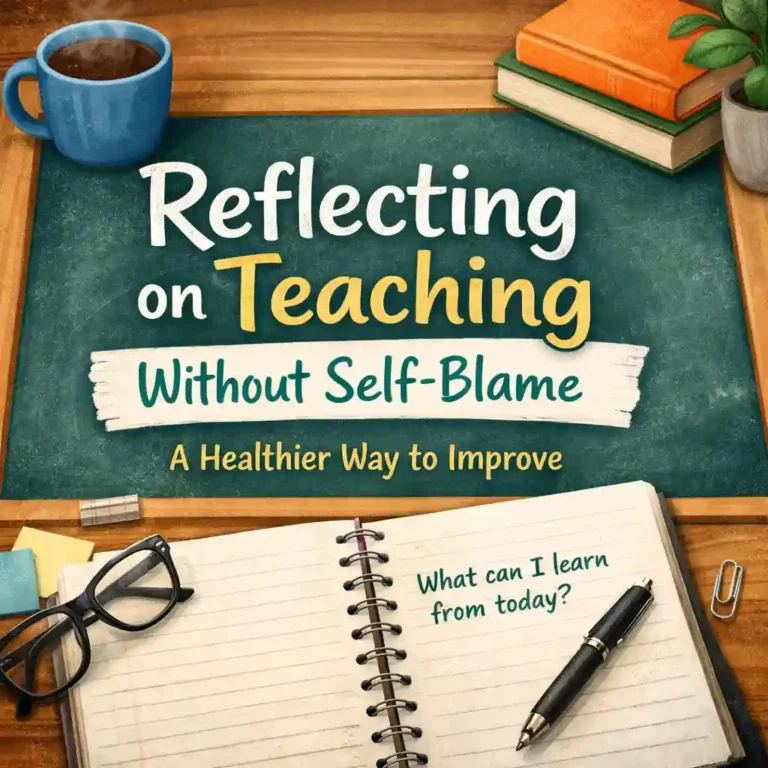
Reflecting on teaching is a high-leverage skill, but it only works when approached with curiosity rather than self-blame. By shifting from emotional rumination to a researcher’s mindset, teachers can view classroom disruptions as data points rather than personal failures. This objective approach protects your mental energy and allows you to build the behavioral fluency required…

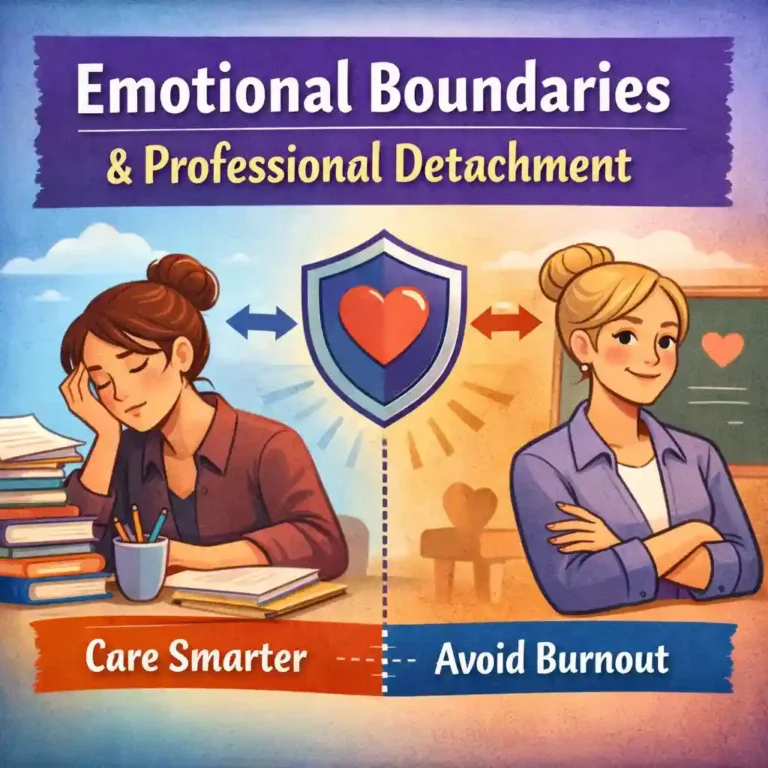
Developing emotional boundaries for teachers is a critical classroom management skill that prevents burnout and promotes student independence. By practicing “professional detachment,” educators can remain compassionate and supportive without absorbing student trauma or taking misbehavior personally. This emotional stability allows for a more consistent classroom environment where behavioral fluency is modeled by a regulated adult…

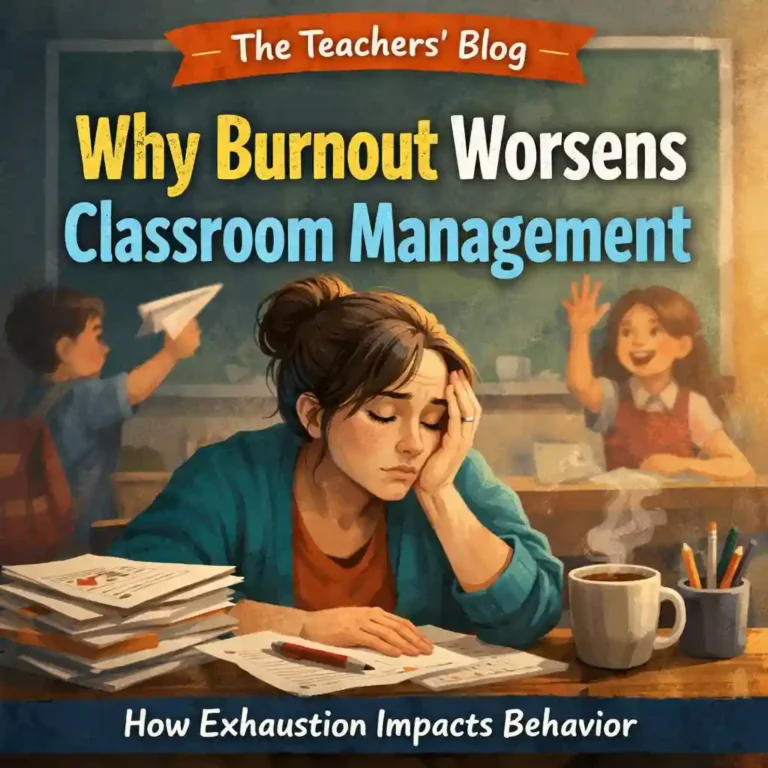
Teacher burnout directly impairs classroom management by draining the cognitive bandwidth required for real-time decision-making and emotional regulation. When stress levels are high, a teacher’s ability to maintain consistency and relationship-based authority diminishes, often leading to a “vicious cycle” of worsening behavior and deeper exhaustion. Achieving behavioral fluency requires a regulated adult; therefore, teacher well-being…

Effective classroom management for different ability levels requires matching instructional structure to the students’ learning preferences. While academic streams often tolerate abstract lectures, applied streams require high-density scaffolding and active engagement to prevent frustration-based disruptions. By designing lessons that minimize academic “friction,” teachers foster behavioral fluency, allowing all students to demonstrate ownership and competence regardless…

Effective middle school vs high school classroom management requires a shift from high-structure monitoring to relationship-based autonomy. While middle schoolers need predictable routines to support developing executive functions, high schoolers require mutual respect and a clear “why” to stay engaged. Understanding these developmental stages allows teachers to foster behavioral fluency by providing the specific type…