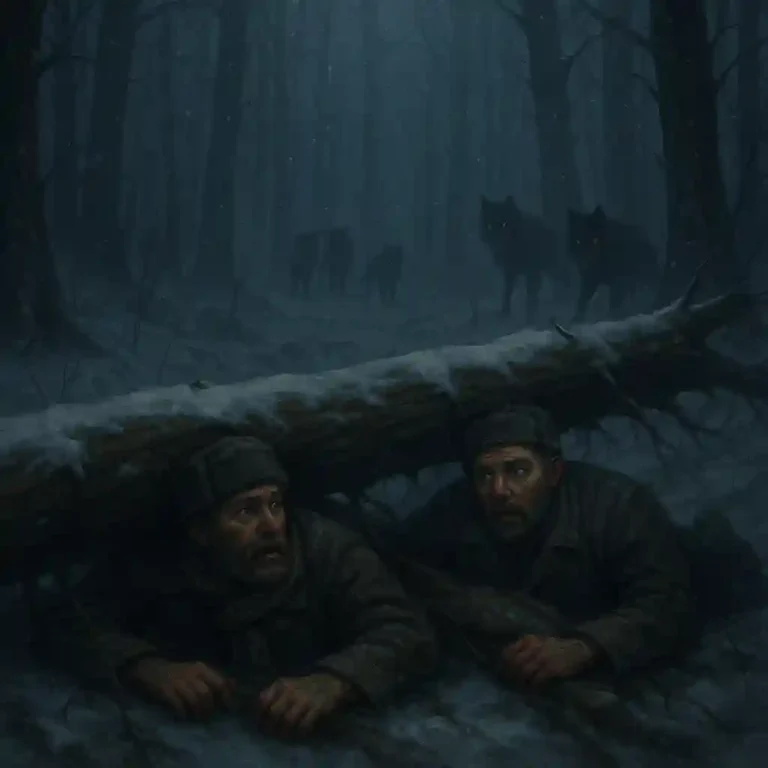
Day 51: Climax Prediction Lesson Plan That Helps Understand the Turning Point
Today’s lesson is all about anticipation. By this point in the novel, students can usually feel that something big is coming—even if they can’t quite articulate it yet. This is the perfect moment to slow things down and ask students to think like authors and careful readers.
I introduce the idea that most stories build toward a climax, a moment where tension peaks and important decisions or events change everything that comes after. Instead of rushing toward that moment, today’s goal is to pause and predict: What do we think is about to happen—and why?
This framing helps students see prediction as a skill grounded in evidence, not guessing.
Silent Reading (20 Minutes)
Students spend the first part of the class silently reading their literature circle or independent novels. I remind them to pay attention to:
Rising tension
Conflicts that feel close to exploding
Character decisions that seem risky or irreversible
I encourage students to flag moments that feel important, even if they’re not sure why yet. Those instincts will matter during the prediction work.
Adverbial Phrases
Before moving into the main task, I give a brief introduction to adverbial phrases. At this stage, I keep it light and purposeful.
I explain that adverbial phrases often help writers show:
When events happen
Why characters act
Under what conditions decisions are made
I let students know that these phrases frequently appear in tense scenes—especially near the climax—because authors want readers to clearly understand circumstances and motivations. I tell them I’ll be sharing a full lesson link later, and today they just need to notice how authors set the stage for big moments.
Click here for the full adverbial phrases lesson plan.
Preparing for the Climax Prediction Chart
This is the heart of the lesson.
Students begin working on a climax prediction chart focused on two guiding questions:
What will happen next?
Why do you think this will happen?
I emphasize that strong predictions:
Are specific, not vague
Reference events, conflicts, or character behavior
Show logical connections between earlier scenes and upcoming possibilities
Students can work independently or quietly confer with a reading partner before recording their ideas. The goal is not to be “right,” but to be thoughtful and defensible.
Journal Reflection: Warning a Character
To deepen engagement, students complete a short journal response:
If you could warn one character about something, what would it be?
I encourage them to:
Choose a specific character
Clearly explain the danger or mistake
Reference moments from the text that justify their warning
This reflection often reveals how deeply students understand character motivation and looming conflict. It also naturally leads to powerful discussions once the climax actually occurs.
Conclusion
I wrap up the lesson by reinforcing that prediction is a sign of strong reading, not impatience. When students can explain why they think a climax will unfold a certain way, they are actively tracking theme, conflict, and character growth.
I let them know that when we finally reach the climax, we’ll return to today’s predictions to see how close they were—and what surprised them. Those moments of comparison often lead to the best conversations of the unit.