
Day 52: Teaching Political Cartoons Through Literature
Move students from passive readers to active visual commentators. In Day 52 of the Grade 9 English course, students engage in a Teaching Political Cartoons lesson plan that bridges visual literacy with novel study. Following a brief grammar checkpoint on independent and dependent clauses, students analyze how editorial cartoonists use symbolism, exaggeration, and satire before creating their own single-panel visual commentary on a central social issue from their independent novel.
75 Minutes | Key Concepts: Visual Literacy, Political Cartoons, Symbolism, Satire & Exaggeration, Independent/Dependent Clauses
Learning Goals and Standards
Students will:
- Understand the purpose and features of political cartoons
- Identify symbolism, exaggeration, irony, satire, and labeling within political cartoons
- Analyze how visual elements communicate a message or opinion
- Connect themes and issues from their novel to real-world social topics
- Create an original political cartoon that communicates a clear message about an issue from their novel
- Support their creative choices with a written explanation using evidence from the text
Political cartoons use visual techniques such as symbolism, exaggeration, and satire to communicate ideas and encourage readers to think critically about important issues.
Ontario Curriculum Connections (ENL1W)
- A1.2 Reading for Meaning — use reading strategies to interpret increasingly complex texts and media
- A1.6 Extending Understanding of Texts — connect ideas from literature to social, historical, and cultural issues
- B1.2 Reading Comprehension — analyze how literary and media techniques communicate meaning
- C1.3 Developing Ideas and Organizing Content — communicate ideas effectively through visual and written forms
- D1.4 Critical Thinking in Oral Communication — explain and defend interpretations using evidence
Common Core (Grades 9–10)
- CCSS.ELA-LITERACY.RL.9-10.1 — cite strong and thorough textual evidence to support analysis
- CCSS.ELA-LITERACY.RL.9-10.2 — analyze how themes develop throughout a text
- CCSS.ELA-LITERACY.RI.9-10.6 — determine an author’s point of view or purpose and analyze how it is conveyed
- CCSS.ELA-LITERACY.SL.9-10.5 — make strategic use of visual displays to communicate ideas
IB Language & Literature (ATL Skills)
- Thinking skills through interpretation of visual texts
- Communication skills through visual and written expression
- Creative-thinking skills through symbolic representation
Cambridge IGCSE English Literature
- Analyze how writers and creators communicate ideas
- Interpret symbolism and visual techniques
- Communicate informed responses through creative and analytical tasks
OECD Global Competence Framework
- Analyze contemporary issues from multiple perspectives
- Communicate ideas through visual media
- Reflect on social issues using critical thinking and creativity
Resources
- Independent and Dependent Clauses Complete Lesson
- Independent and Dependent Clauses Student Worksheet
- Independent and Dependent Clauses Answer Key
Bell Ringer
Why do you think newspapers, magazines, and news websites include political cartoons?
Use follow-up questions to guide the conversation:
- What can a political cartoon communicate that a news article cannot?
- Why might someone choose a drawing instead of an essay to express an opinion?
- Do you think political cartoons can influence public opinion? Why or why not?
- Can humour or satire make people think differently about an issue?
Conclude the discussion by explaining that political cartoons are a form of persuasive media. Like opinion essays, they use evidence, symbolism, exaggeration, and satire to communicate a viewpoint and encourage readers to think critically about important issues. Today’s lesson will explore how authors and artists can communicate powerful messages using both words and images.
Lesson Flow
1. Silent Reading (20 Minutes)
Students read independently from their novel. I encourage them to quietly track moments where:
A social issue is becoming clearer
A character faces injustice, pressure, or conflict
Power, identity, or belonging is challenged
This reading time sets them up for the creative task later in the lesson.
2. Independent and Dependent Clauses
Before teaching political cartoons, I briefly introduce independent and dependent clauses. I keep this short and practical, focusing on the idea that:
Independent clauses can stand alone
Dependent clauses add detail but need support
3. What Are Political Cartoons?
I define political cartoons in clear, student-friendly language:
A political cartoon is a visual argument.
It uses:
Symbolism (objects standing for ideas)
Exaggeration (overstating traits or situations)
Irony or satire (humour with a serious edge)
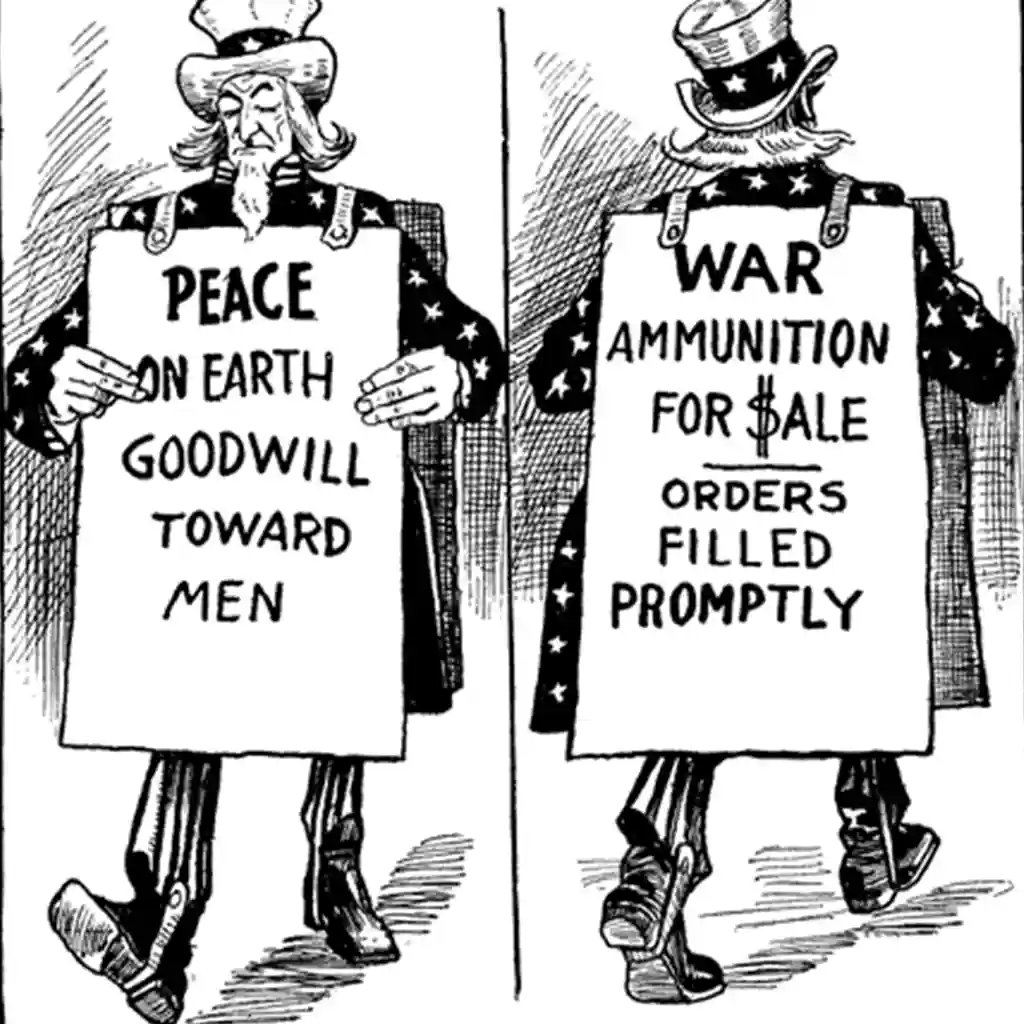
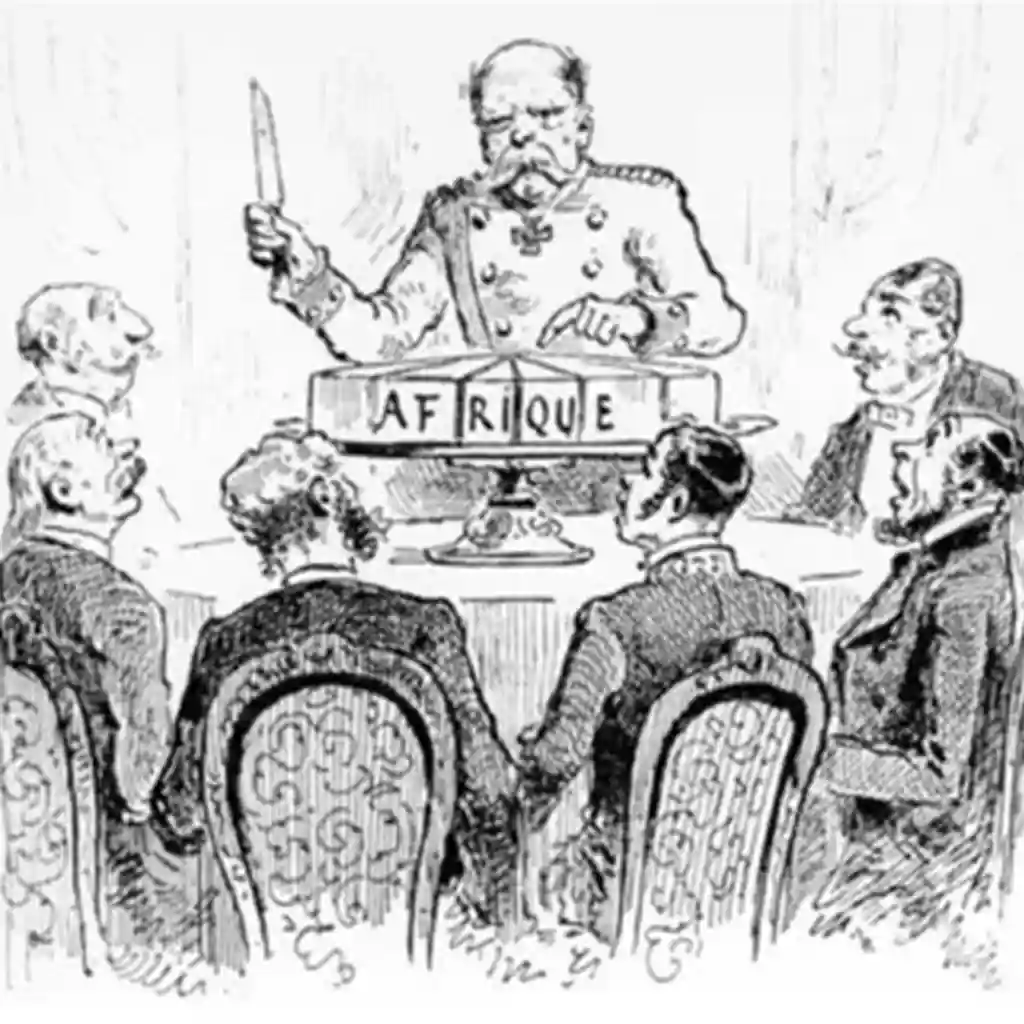
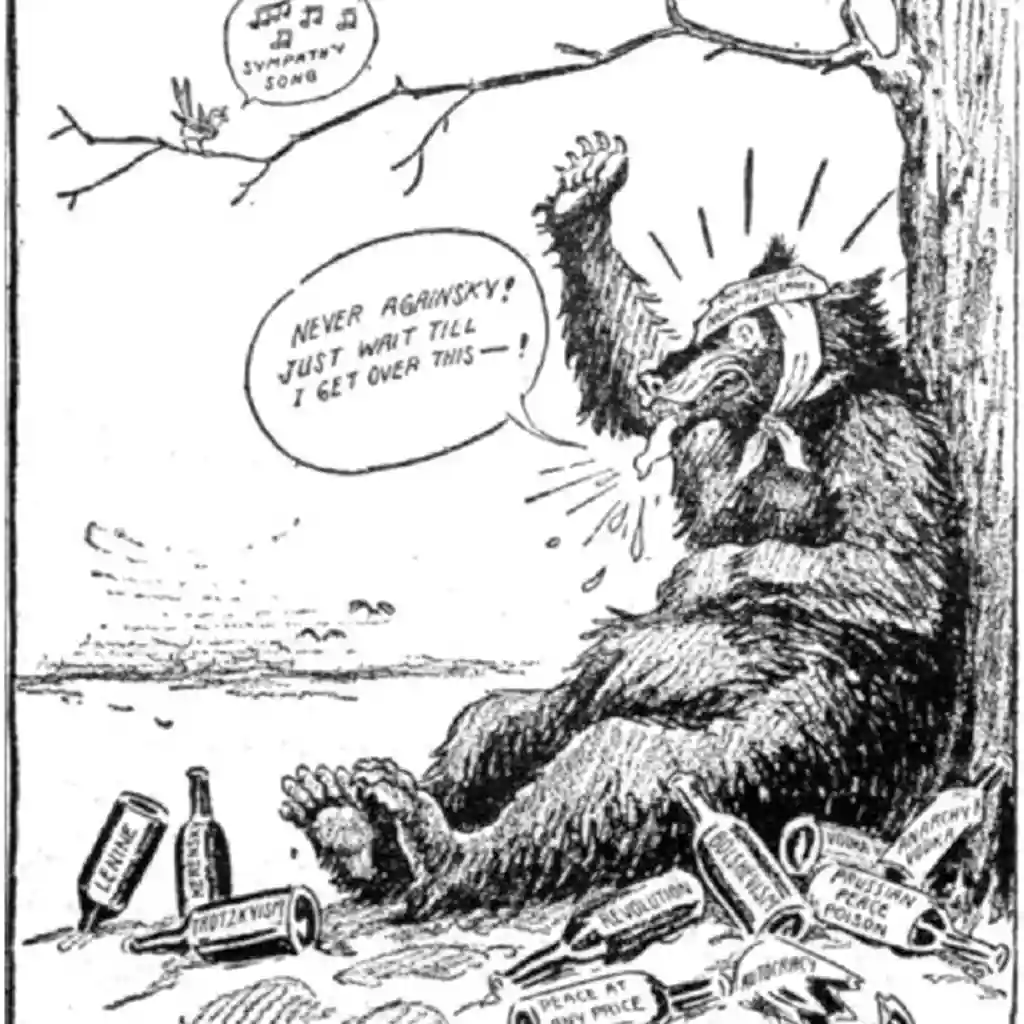
I show a few examples and guide students through quick analysis:
What issue is being addressed?
What symbols stand out?
What message is the cartoonist sending?
We talk about how these cartoons rarely explain themselves—the viewer has to do the thinking.
| Cartoon Element | Cartoonist’s Technical Goal | Student Creation Objective | Novel Application Example |
| Symbolism | Uses an object to represent a complex abstract idea. | Design a central visual symbol representing a novel issue. | Drawing a heavy iron cage to symbolize societal discrimination. |
| Exaggeration | Overstates physical traits or situations to make a point. | Stretch a character trait or conflict beyond normal limits. | Depicting an oppressive ruler or system as ten times larger than citizens. |
| Satire & Irony | Uses humor or contrast to critique a serious flaw. | Highlight a contradiction or injustice present in the story. | Showing characters praising “freedom” while surrounded by walls. |
| Written Context | Captions or short text to guide the viewer’s interpretation. | Write a 3–5 sentence rationale explaining the choices. | Explaining how the symbols reveal the novel’s core message. |
Students now create their own political-cartoon-style comic based on one key issue in their novel.
Task Guidelines:
Choose a single issue (e.g., discrimination, power, identity, injustice, stereotypes, control).
Create a one-panel or short comic in the style of a political cartoon.
Use symbolism or exaggeration instead of retelling a scene.
Include a short written explanation (3–5 sentences) explaining:
The issue being represented
The symbols used
The message they want the viewer to understand
I remind students that artistic skill is not the goal—thinking is. Stick figures are perfectly acceptable if the idea is strong.
A FREE CLASSROOM GAME FOR ENGLISH TEACHERS
Make your next English review a Plot Twist!
Bring some unexpected fun to your next lesson. Get a free game of Plot Twist!, the ultimate classroom review game, and discover fresh ideas for teaching English.
Subscribe for English teaching ideas and occasional resource updates, plus your free Plot Twist! game. You can unsubscribe from emails at any time.
First-Hand Suggestions
When teaching political cartoons, students are often intimidated because they think they need to understand politics to interpret them. I’ve found that it works much better when we focus first on the visual storytelling. Once students identify the symbols, exaggeration, and the issue being represented, the deeper meaning usually becomes much clearer. Reminding students that artistic ability isn’t being assessed also encourages them to take creative risks and focus on communicating a thoughtful message.
Differentiation for Teaching Political Cartoons
Support Strategies
- Model the analysis of one political cartoon before independent work.
- Provide a reference sheet explaining symbolism, exaggeration, irony, satire, and labeling.
- Use a graphic organizer to guide students through the analysis process.
- Encourage students to sketch ideas before creating their final cartoon.
- Allow students to discuss ideas with a partner before beginning their work.
Support for English Language Learners
Pre-teach key vocabulary:
- symbolism
- satire
- exaggeration
- irony
- stereotype
- message
Helpful sentence starters:
- “The cartoon is about…”
- “The symbol represents…”
- “The cartoonist wants readers to think…”
- “This image suggests…”
Alternative Demonstration Options
Students may:
- explain their cartoon verbally instead of writing a longer explanation
- use digital drawing tools or collage images
- create a labeled sketch instead of a detailed illustration
- work with the teacher to plan symbolism before drawing
Extension Opportunities
Students ready for enrichment can:
- analyze multiple political cartoons on the same issue
- compare how different cartoonists communicate similar messages
- incorporate multiple symbolic elements into one cartoon
- evaluate how visual choices influence audience interpretation
- connect the issue in their novel to a current social issue while maintaining the novel as the primary focus
Teaching Political Cartoons FAQ
How do you teach political cartoons in an English class? Frame political cartoons as visual arguments. Teach students to decode three core tools: symbolism (objects representing ideas), exaggeration (overstating features for emphasis), and satire/irony (using humor to critique serious issues).
Why connect political cartoons to a novel study? Connecting cartoons to literature requires students to synthesize complex themes—such as power, discrimination, or identity—into a single visual metaphor, moving them beyond basic plot summary into deep conceptual analysis.
How do independent and dependent clauses relate to visual commentary? An independent clause can stand alone as a complete sentence, much like a strong visual symbol. A dependent clause provides essential background context, just as written captions or explanations support a political cartoon.
Previous Lesson: Climax Prediction Lesson Plan
Next Lesson: Teaching Symbolism in Literature