
Worked Examples and Faded Guidance: A Better Way to Teach New Skills
Worked examples can reduce unnecessary cognitive load for beginners. Fading support over time may help students move from watching to doing independently.
Strong instruction doesn’t come from complicated programs—it comes from effective teaching moves used consistently. This collection of instructional strategies for teachers focuses on practical techniques that improve engagement, deepen thinking, and support learning across subjects.
Inside this category, you’ll find lesson structures, questioning techniques, modelling approaches, scaffolding methods, discussion routines, and classroom practices grounded in the science of learning. Each strategy is designed to be realistic, flexible, and easy to apply right away.
Whether you’re refining your teaching practice or looking for ideas to strengthen everyday lessons, these instructional strategies help make learning clearer and more effective for students.

Worked examples can reduce unnecessary cognitive load for beginners. Fading support over time may help students move from watching to doing independently.

Productive failure asks students to wrestle with a challenging problem before direct instruction. Research suggests the struggle can deepen later understanding.

The pretesting effect suggests that attempting questions before instruction can improve later learning—even when students initially get the answers wrong.

Use these beginning of school year tips for teachers to build relationships, teach routines, set clear expectations, and create early wins that make the rest of the year easier.

Flipped classroom research from a randomized trial found short-term math gains—but also wider achievement gaps and no lasting average benefit. Here is what teachers should take from the study.
Use a free weekly lesson plan template with a copyable Monday-Friday format, clear planning steps, classroom examples, and eight more options for teachers.
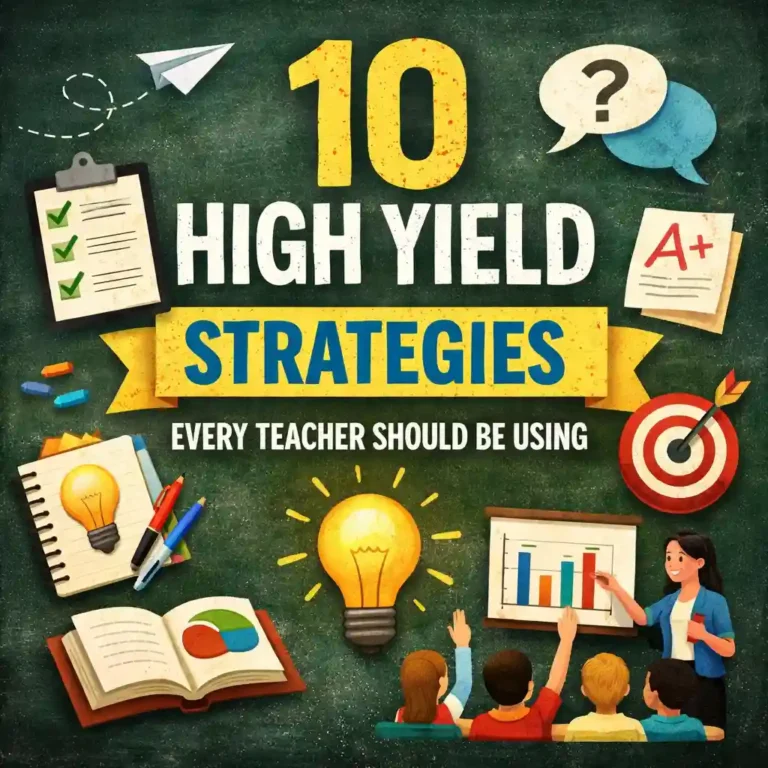
If you’ve been teaching for any length of time, you know this truth: not all strategies are created equal. Some activities feel engaging but don’t move learning very far. Others may look simple, but they dramatically increase understanding and retention. That’s where high yield strategies come in. High yield strategies are instructional approaches that consistently…
What is lesson planning? Learn the definition, purpose, essential elements and steps, with a classroom example and links to free planning templates.

Teaching research skills can feel like herding caffeinated cats… while the internet launches confetti cannons of misinformation in the background. The good news: you don’t need a weeks-long “research unit” to build strong researchers. You need repeatable, low-prep routines. Below are 10 low-prep lessons (15–45 minutes each) that you can drop into almost any subject….
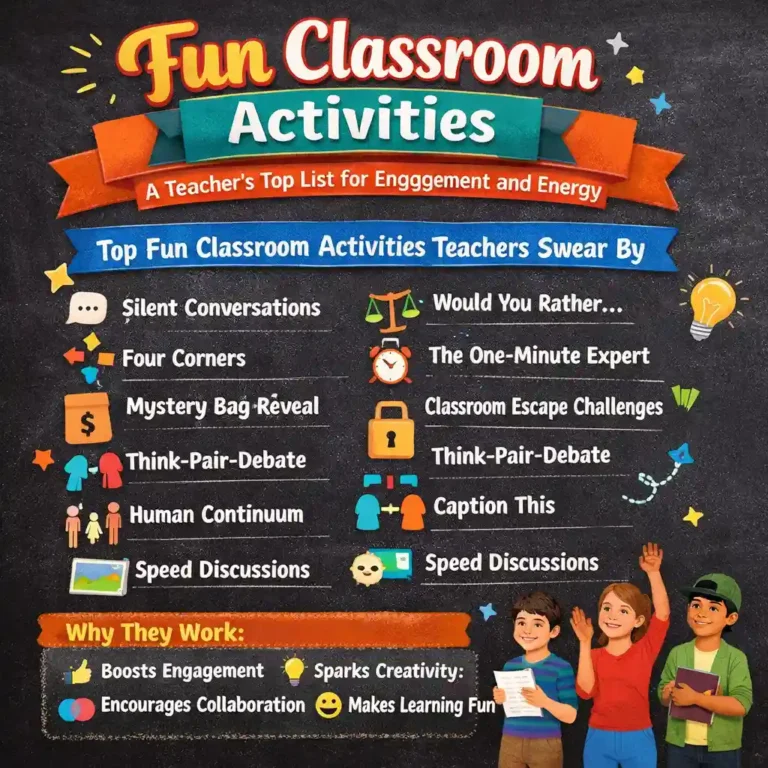
If there’s one thing I’ve learned after years in the classroom, it’s this: fun classroom activities aren’t a bonus—they’re a strategy. When students are engaged, laughing a little, and genuinely curious, everything else becomes easier. Discussions are richer. Writing improves. Even reluctant learners lean in. This top list is made for teachers who want high…