
The Five-Minute Oral Defense: A Practical Assessment Idea for the AI Era
A short oral defense after an essay or project can reveal what students understand, strengthen assessment authenticity, and reduce reliance on unreliable AI-detection methods.
Strong instruction doesn’t come from complicated programs—it comes from effective teaching moves used consistently. This collection of instructional strategies for teachers focuses on practical techniques that improve engagement, deepen thinking, and support learning across subjects.
Inside this category, you’ll find lesson structures, questioning techniques, modelling approaches, scaffolding methods, discussion routines, and classroom practices grounded in the science of learning. Each strategy is designed to be realistic, flexible, and easy to apply right away.
Whether you’re refining your teaching practice or looking for ideas to strengthen everyday lessons, these instructional strategies help make learning clearer and more effective for students.

A short oral defense after an essay or project can reveal what students understand, strengthen assessment authenticity, and reduce reliance on unreliable AI-detection methods.

Large-scale trials suggest that clear, personalized attendance messages can modestly reduce absences. The most effective lesson for schools may be how the message is framed.
Belonging matters, but a 2025 replication study shows that brief belonging interventions do not work the same way everywhere. Here is the more useful lesson for teachers.
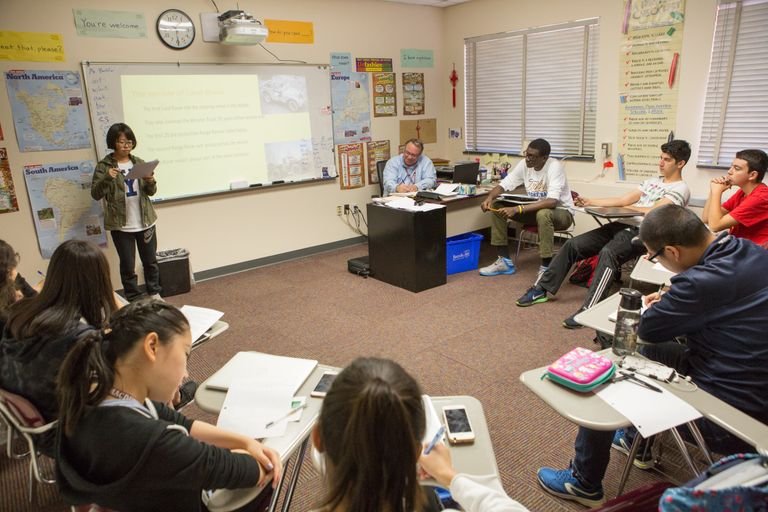
Short classroom movement breaks are often promoted as a cure for attention problems. The research is more nuanced—and still gives teachers useful reasons to use them.

A 2025 meta-analysis suggests that autonomy support and clear structure work best together. Here is how teachers can offer meaningful choice without creating classroom chaos.

A 2024 meta-analysis found a small achievement advantage for handwritten lecture notes among college students, even though typing captures more words. What should teachers do with that finding?
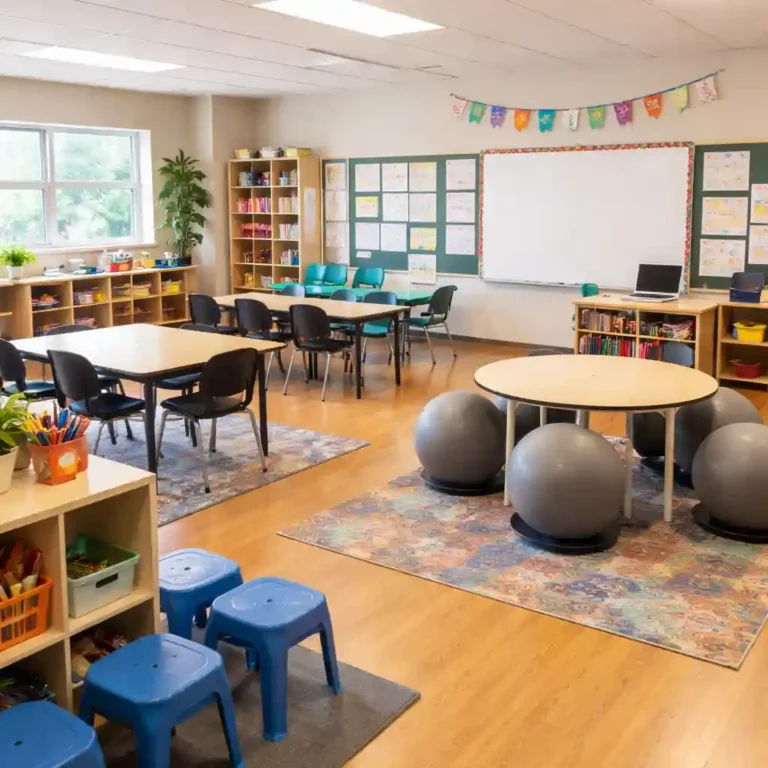
Decorative facts, images, jokes, and side stories can make lessons feel engaging while quietly increasing cognitive load. New research revisits this seductive details effect.
Spacing distributes practice across time instead of concentrating it in one session. Classroom research suggests spaced learning improves long-term retention.
Interleaving mixes related problem types instead of blocking one type at a time. Research suggests it can improve discrimination, transfer, and long-term learning.

Self-explanation prompts ask students to explain why a step, idea, or answer makes sense. Research suggests this simple habit can strengthen understanding and transfer.