
Creative Greek Myth Flash Fiction Lesson Plan
Guide students through a Greek mythology flash-fiction project with a plot diagram, writing toolbox, and peer-review worksheet.
Greek myths remain some of the most powerful stories students encounter in school. This section on teaching Greek mythology provides lesson ideas, reading supports, discussion prompts, and classroom activities that help students explore mythological characters, themes, and cultural influence.
Resources in this category support both literary analysis and creative engagement, helping students connect ancient stories to modern storytelling, symbolism, and character archetypes still used today.
Whether you’re introducing mythology for the first time or expanding a literature unit, these materials make Greek mythology accessible and engaging for students.

Guide students through a Greek mythology flash-fiction project with a plot diagram, writing toolbox, and peer-review worksheet.

Analyze the hero’s journey in a modern film with an archetypes viewing organizer, guiding questions, and student discussion.
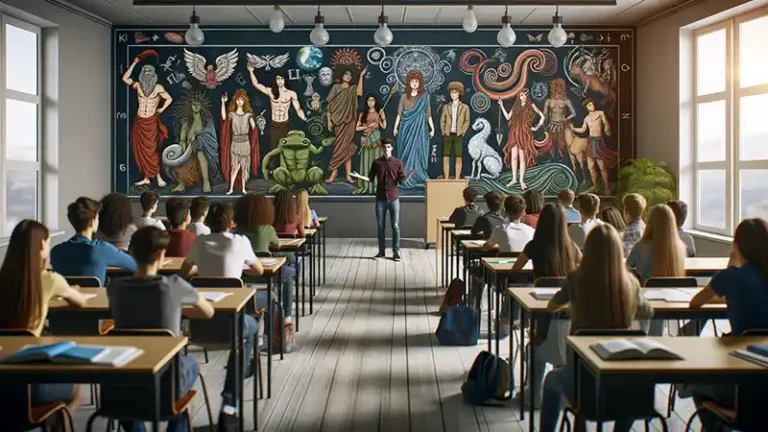
Organize Greek mythology research presentations with student directions, an eight-slide structure, and a 20-mark assessment rubric.

Introduce Greek mythological monsters with a video-linked worksheet and questions about symbolism, conflict, and storytelling.
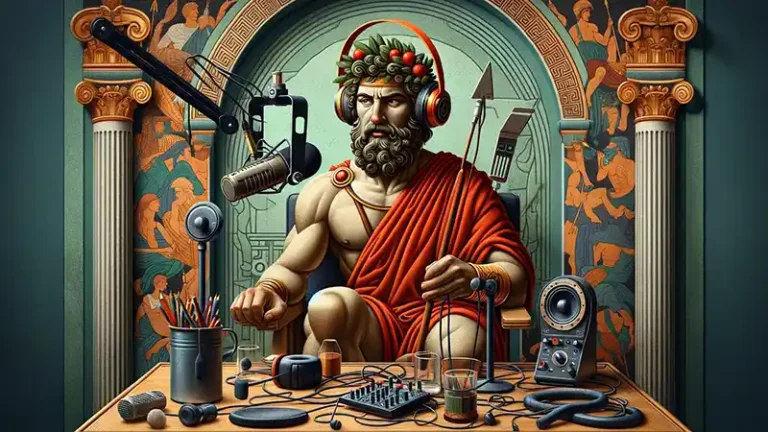
Use a Greek heroes research worksheet to compare Perseus, Odysseus, Achilles, and other figures through blogs, podcasts, or video.
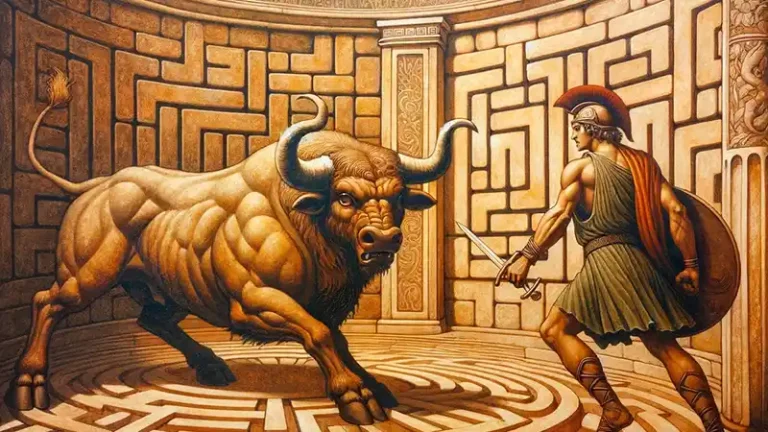
Teach Greek creation myths and Theseus and the Minotaur with reading handouts, symbolic analysis, and a myth-versus-history discussion.
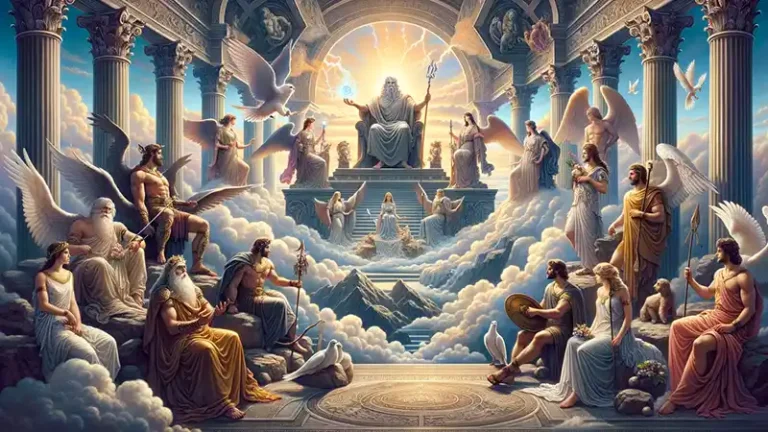
Explore the Greek Olympian gods through a family-tree project, deity reference handout, and corrected true-or-false quiz.

Teach the hero’s journey and literary archetypes with printable notes, a 12-stage guide, and a secondary English worksheet.