
9 Retrieval Practice Mistakes That Make Review Less Effective
Nine common retrieval practice mistakes teachers can avoid, including over-grading, weak feedback, poor spacing, volunteer-only questioning, and using recall instead of reteaching.
Learning how to learn may be the most important skill students ever develop. The Brain Builders Workshop category focuses on teaching students the strategies, habits, and mindsets that make learning stick.
These lessons and activities help students understand memory, motivation, focus, metacognition, goal-setting, and effective study strategies in ways that are practical and classroom-ready. Instead of telling students to “try harder,” Brain Builders Workshop shows them how learning actually works—and how they can take control of it.
This section is especially useful for middle school and early high school teachers who want to build confident learners, improve independence, and support long-term academic success through structured learning to learn strategies that students can apply across subjects.

Nine common retrieval practice mistakes teachers can avoid, including over-grading, weak feedback, poor spacing, volunteer-only questioning, and using recall instead of reteaching.

A practical guide to writing retrieval practice questions that target durable knowledge, avoid accidental hints, mix recall and application, and provide useful feedback.

Twelve practical ways to use retrieval practice in English Language Arts for literary terms, grammar, quotations, reading, vocabulary, writing, and text analysis.

Retrieval practice vs. rereading explained for teachers: why active recall usually supports long-term memory better, where rereading still fits, and how to teach better study habits.

How to use low-stakes quizzes as retrieval practice without creating a grading burden, including feedback, question selection, spacing, and classroom routines.

Twelve retrieval practice bell ringers for middle and high school classrooms, with simple routines that revisit yesterday, last week, and older learning.

Fifteen quick retrieval practice activities teachers can use for low-stakes review, from brain dumps and mini-whiteboards to timelines, diagrams, and error correction.

A practical teacher guide to retrieval practice: what it is, why it helps students remember, how to use it without turning every lesson into a test, and simple routines to start tomorrow.
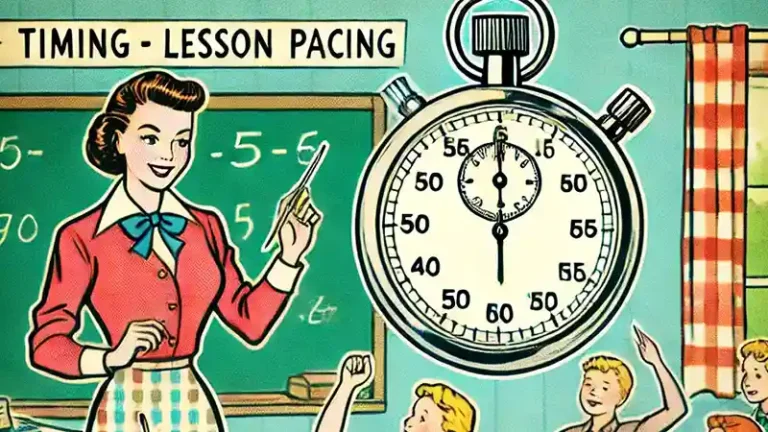
As teachers, we know that how and when we present information can make all the difference in how well our students understand and remember it. That’s where the concepts of recency and primacy effects come into play, straight from cognitive psychology. The recency effect tells us that students are more likely to remember what they…

Welcome to a journey that transcends the boundaries of traditional learning! In this lesson, we’ll explore the transformative power of a seemingly small word: “yet.” As we navigate through various subjects and life lessons, we often encounter hurdles that seem insurmountable. However, by understanding and applying the concept of “yet,” we unlock a world of…