
41 Wacky Wednesday Activities for School (Easy Teacher Ideas)
What Is Wacky Wednesday at School?
Wacky Wednesday activities are playful dress-up options, creative classroom challenges, silly learning games, and short reading or movement activities that make an ordinary school day feel special. Schools often use the theme for spirit weeks or March literacy celebrations, but Wacky Wednesday can happen any week of the year.
These 41 Wacky Wednesday school activities range from five-minute brain breaks to full-class themed projects. Most are especially good for elementary students, and many work for middle school with a few adjustments. Choose options that are inclusive, low-cost, and connected to a goal such as community building, reading, creativity, or teamwork.
Short on time? Jump directly to the 41 activity ideas, or use the teacher-friendly recommendations below.
Best Wacky Wednesday Ideas by Prep Time
- No-prep or five-minute activities: #14 Opposite-Hand Writing, #19 Dance Breaks, #25 Mirror Day, #30 Backwards Talking, #34 Random Acts of Kindness, and #41 Moonwalk Day. Try one as a warm-up or transition.
- Low prep, about 10–15 minutes: #3 International Storytime (have a read-aloud ready), #23 Flashlight Reading (use safe battery-operated lights), #27 Wacky Self-Portrait (paper and pencils), and #37 Fable Day (choose a short fable).
- Plan ahead, 20 minutes or more: #10 Wacky Science Experiments, #21 Classroom Campout, #29 Global Art, #33 Underwater Classroom, and #35 Sock Puppet Day. Gather and test materials first.
Wacky Wednesday Activities by Grade Level
- Kindergarten–Grade 2: #2 Crazy Hats, #3 International Storytime, #25 Mirror Day, #27 Wacky Self-Portrait, and #35 Sock Puppet Day. Use simple instructions and plenty of demonstration.
- Grades 3–5: #4 Story Swap, #14 Opposite-Hand Writing, #17 Role Reversal, #30 Backwards Talking, and #37 Fable Day. Add a brief writing or discussion response.
- Grades 6–8: #17 Role Reversal, #22 Travel the World, #29 Global Art, #34 Random Acts of Kindness, and #40 Magic Tricks. Invite students to research, explain, perform, or reflect rather than simply dressing up.
Inclusion tip: Make costume or clothing themes optional, provide free in-class alternatives, check sensory and mobility needs, and avoid requiring families to buy supplies. The same idea can be adapted for different ages or class lengths.
41 Fun and Easy Wacky Wednesday Activities for School
Choose one idea for a five-minute brain break or mix a few into a themed classroom day. Preparation times are estimates; grade bands are suggestions, not limits. All activities can be adapted to fit student needs and school rules.
Backward Clothes. Invite students to wear a favorite shirt or jacket backward for a silly morning greeting, as long as it is comfortable and safe. Students who prefer not to dress up can draw a backward outfit on a paper character. Prep: None; Suggested grades: K–5.
Crazy Hats. Hold a mini hat parade or design paper hats from scrap materials. Ask students to give their hat a name and explain one funny feature; purchasing a costume should never be required. Prep: 5–10 min; Suggested grades: K–5.
International Storytime. Read a funny or imaginative story by an author from another country or cultural tradition. Introduce the author and setting, then ask: What surprised you, and what does the story help us understand? Prep: 10 min; Suggested grades: K–6.
Story Swap. Let students recommend or exchange age-appropriate books using classroom or library copies. Anyone without a book to bring can participate with a school-provided title and a short book-talk. Prep: 5–10 min; Suggested grades: 2–8.
Pajama Day. Make comfort the theme with optional pajamas or cozy school-appropriate clothes, then schedule a relaxed read-aloud or independent reading block. Regular clothes are an equally welcome choice. Prep: None; Suggested grades: K–6.
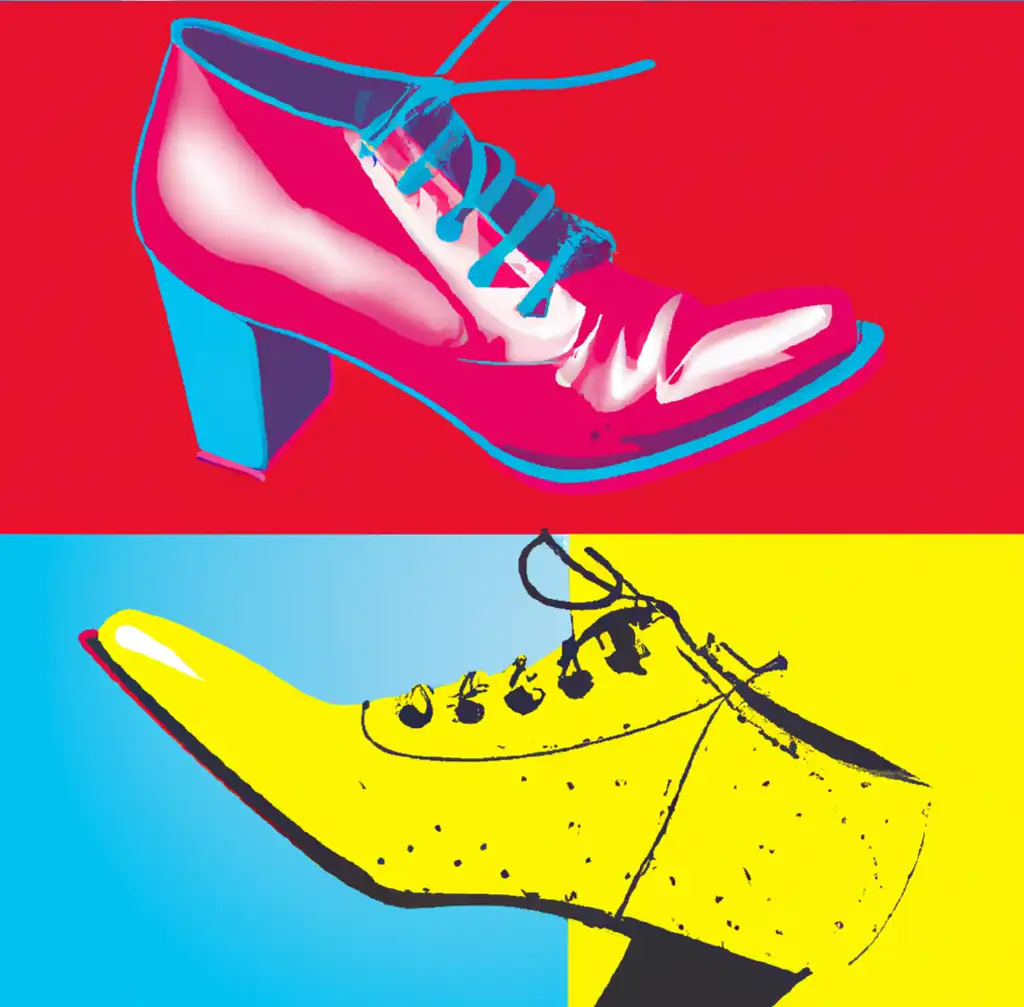
Mismatched Shoes or Socks. Choose mismatched socks or colors for a harmless visual joke; avoid footwear that changes fit, traction, or walking safety. Have students spot and describe patterns, shapes, or differences. Prep: None; Suggested grades: K–5.

Mismatched Shoes or Socks: a visual example for classroom planning. Crazy Hair Day. Invite playful hairstyles, paper headbands, or drawn hair designs. Turn it into a descriptive-language prompt: use three vivid adjectives to describe an imaginary character’s hair. Prep: 5 min; Suggested grades: K–6.
Cultural Dress and Stories. Students may choose to share clothing or an accessory connected to their own family or heritage, with context and consent. Offer books, photos, or artwork instead; do not ask children to wear another culture as a costume. Prep: 10 min; Suggested grades: 2–8.
Superhero Day. Students invent a hero whose unusual power solves an everyday problem, then write a two-sentence origin story. A drawing or classroom-made badge works just as well as a costume. Prep: 10–15 min; Suggested grades: K–6.
Wacky Science Experiments. Choose one school-approved, age-appropriate demonstration, such as testing which objects sink or float. Have students predict, observe, and explain the result; check material safety before class. Prep: 15–25 min; Suggested grades: 2–8.
Mismatched Earring Day. Wear two different earrings or use mismatched paper badges, stickers, or drawings if students do not wear earrings. Make pairs of deliberately different shapes and discuss what makes each unique. Prep: 5–10 min; Suggested grades: 2–6.
Stuffed Wacky Animal Classroom. Invite an optional stuffed animal or paper pet to ‘visit’ class. Students create a name tag and write a brief interview with their visitor; provide classroom supplies for anyone who brings nothing. Prep: 10 min; Suggested grades: K–4.
Indoor Snowball Challenge. Toss soft paper balls at targets or into baskets rather than at classmates. Teams can count successful throws or write friendly ‘snowball’ questions inside paper before opening them. Prep: 5–10 min; Suggested grades: 1–6.
Opposite-Hand Writing. Ask students to draw a doodle or write a short phrase with their non-dominant hand, then compare techniques without grading neatness. Offer an alternative unusual grip or writing tool for accessibility. Prep: 5 min; Suggested grades: 2–8.
Musical Freeze Day. Play a short, classroom-appropriate music clip and invite students to freeze when it stops. Seated hand movements or simple gestures let everyone join without needing to stand or dance. Prep: 5 min; Suggested grades: K–5.
International Lunch or Food Discovery. Explore foods from different places through images, descriptions, or a teacher-selected read-aloud. Shared food is optional and must follow school allergy, hygiene, and family-permission policies. Prep: 15–20 min; Suggested grades: K–8.
Role Reversal. Let students lead a one-minute mini-lesson on something they know, like folding paper or describing a new word. The teacher stays responsible for instructions and classroom safety. Prep: 10–15 min; Suggested grades: 3–8.
Wacky Ties or Scarves. Draw a colorful tie or scarf pattern on scrap paper, or wear an optional school-appropriate accessory. Use the designs to practice symmetry, repeating patterns, or descriptive vocabulary. Prep: 10 min; Suggested grades: K–5.
Dance Breaks. Add a 60–90-second movement break between lessons: dance, stretch, march in place, or make seated movements. Keep participation flexible; see our classroom movement breaks guide for evidence-informed tips. Prep: None; Suggested grades: K–8.
Desk Swap. Invite a temporary seating change to explore a new viewpoint or work with a different partner. Keep required accommodations and access needs intact; for longer-term changes, see our seating chart templates. Prep: 5 min; Suggested grades: 3–8.
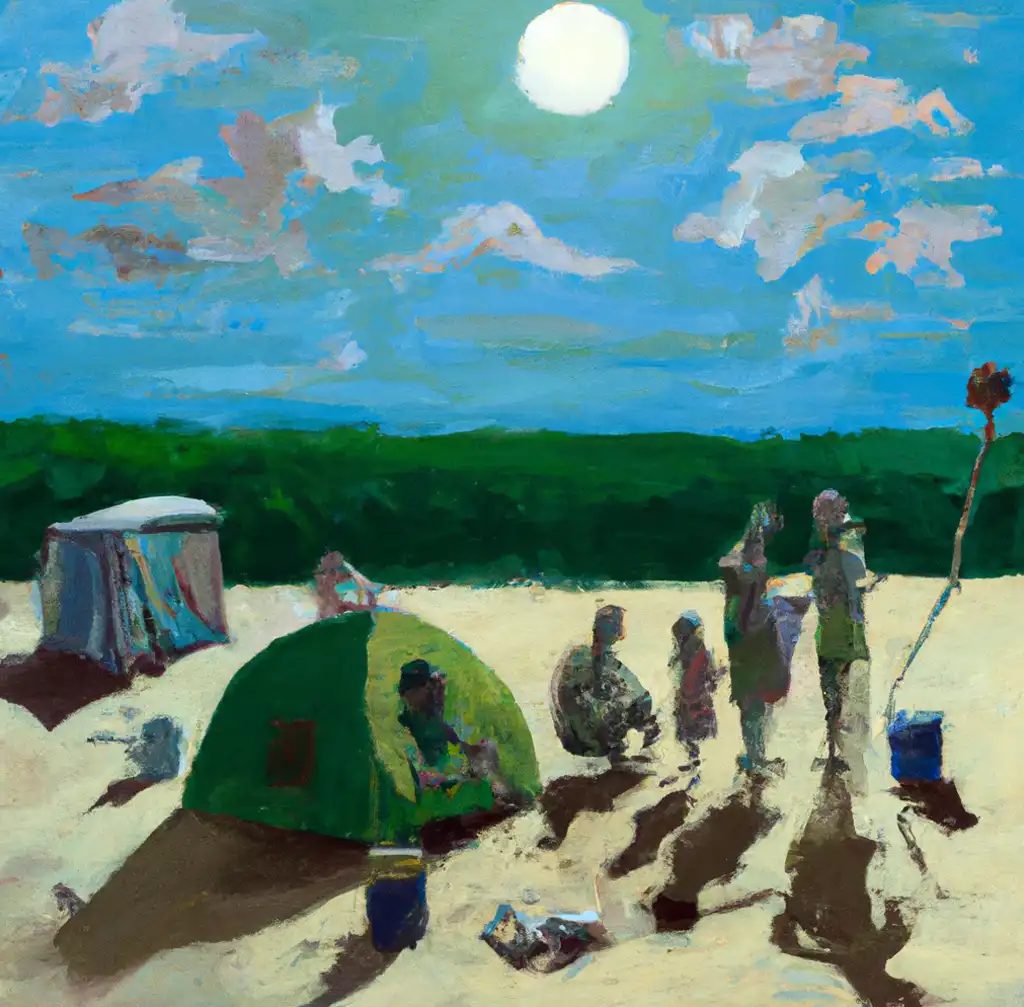
Classroom Campout. Create a reading campsite with paper stars, a pretend campfire, and a few cozy reading spots. Maintain lighting, clear exits, and accessible paths; students can read ‘under the stars’ without building large forts. Prep: 20–30 min; Suggested grades: K–5.
Classroom Campout: a visual example for classroom planning. Travel the World. Use a map, a photograph, and a short caption to make a two-minute virtual stop in a place students are curious about. Have pairs share one verified fact and one question. Prep: 10–15 min; Suggested grades: 3–8.
Flashlight Reading. Bring battery-powered reading lights for a short, atmospheric reading time while leaving enough room lighting for comfort and safety. Offer ordinary lighting, large print, or other accessible alternatives. For follow-up, try our reading comprehension games with older students. Prep: 5–10 min; Suggested grades: K–8.
Twin Day. Let pairs choose a matching color, pattern, drawing, or paper badge for the day. Students who prefer to work independently can match with a fictional character or classroom mascot. Prep: None–5 min; Suggested grades: K–6.
Mirror Day. In pairs, one student slowly makes gestures while the other mirrors them; then switch leaders. Use hands and facial expressions, or seated movements, so students can choose a comfortable participation level. Prep: 5 min; Suggested grades: K–8.
Blindfold-Free Mystery Drawing. Rather than requiring blindfolds, invite students to draw an everyday object with eyes briefly averted or by following verbal directions. Make it an optional creativity challenge, not a simulation of visual impairment. Prep: 10 min; Suggested grades: 2–8.
Wacky Self-Portrait. Ask students to draw themselves with one imaginary feature, such as rainbow hair or a backpack that flies. They can add a caption explaining what the feature symbolizes about them. Prep: 15–20 min; Suggested grades: K–8.
Classroom Karaoke. Offer a quick sing-along, spoken-word performance, or rhythm reading with an age-appropriate selection. Keep performing optional; older learners might enjoy our karaoke poetry lesson. Prep: 10–15 min; Suggested grades: K–8.
Global Art. Introduce a specific artist or art tradition with appropriate context, then invite students to notice and try one technique. Credit the source and avoid treating an entire country or culture as one style. Prep: 20–30 min; Suggested grades: 3–8.
Backwards Talking. Write a simple sentence with its words out of order, and challenge partners to rearrange it. Increase difficulty with longer sentences or use the activity as a grammar warm-up. Prep: 5–10 min; Suggested grades: 2–8.
Classroom Parade. Set up a short gallery walk of student hats, artwork, or funny sentences. Anyone who dislikes being watched can contribute a display instead; keep walking routes clear. Prep: 10 min; Suggested grades: K–6.
Nature Indoors. Play quiet nature sounds, display a landscape photo, or examine leaves collected with permission. Invite students to list sensory details and write a descriptive sentence. Prep: 5–10 min; Suggested grades: K–8.
Underwater Classroom. Create a sea-themed reading area with paper fish, an ocean photo, or gentle underwater sounds. Avoid covering safety signs or blocking windows and keep the space easy to navigate. Prep: 20–30 min; Suggested grades: K–5.
Random Acts of Kindness. Give students a simple choice: write a thank-you note, tidy shared supplies, welcome someone, or help a classmate. Finish with a quick reflection on how small actions affect a community. Prep: 5–10 min; Suggested grades: K–8.
Sock Puppet Day. Students create a character using a clean spare sock or paper puppet, then act out a 30-second conversation. Supply paper alternatives so everyone can join; this can double as a dialogue-writing lesson. Prep: 20–30 min; Suggested grades: K–6.
Sock Puppet Day: a visual example for classroom planning. Cultural Music Day. Play short, credited music selections from different artists and regions, offering a quiet option for sound-sensitive students. Ask what instruments, patterns, or moods they notice, and share context about the artists. Prep: 10–15 min; Suggested grades: 2–8.
Fable Day. Read a short fable, invite students to identify its lesson, and discuss whether they agree with the moral. Extend the activity by rewriting the ending with a surprising twist. Prep: 10–15 min; Suggested grades: 2–8.
Sports Day. Explore an unfamiliar sport with a short demonstration or a classroom-safe adaptation using gestures, paper challenges, or movement stations. Include seated choices and avoid competitive pressure. Prep: 10–20 min; Suggested grades: K–8.
Invisible-Ink Messages—Without Heat. Write secret notes using a white crayon on white paper, then brush on washable watercolor to reveal the message. This resist-art version avoids the heating required by some lemon-juice methods. Prep: 15–20 min; Suggested grades: K–6.
Magic Tricks. Teach a simple number puzzle, optical illusion, or paper-based trick. Students explain the steps to a partner, then discuss the difference between what they observed and what they assumed. Prep: 10–15 min; Suggested grades: 3–8.
Moonwalk Day. Challenge students to invent a slow-motion ‘moonwalk’ or seated astronaut gesture, then draw what moving on the Moon might look like. Clarify that astronauts experience reduced gravity on the Moon, not zero gravity. Prep: 5–10 min; Suggested grades: K–6.

A Simple 40-Minute Wacky Wednesday Classroom Plan
You do not need all 41 activities in one day. Use this flexible schedule for a single elementary class period:
- Welcome and silly warm-up (5 minutes): Try #14 Opposite-Hand Writing or #30 Backwards Talking. Ask students to share one thing they noticed.
- Reading connection (10 minutes): Read a funny, surprising, or imaginative picture book. Ask, “What is unusual about this world, and why did the author choose it?”
- Creative project (15 minutes): Choose #27 Wacky Self-Portrait or #35 Sock Puppet Day (prepare materials ahead). Have students write a caption or dialogue for their creation.
- Share and reflect (10 minutes): Use a gallery walk or partner chat. Finish with an exit ticket: “I tried something new when I…” or “One surprise today was…”
For younger students: Simplify the drawing task and invite oral responses. For middle school: Connect the warm-up to wordplay, perspective, a short writing prompt, or no-prep English review games. To extend the creative work into a full literacy activity, explore our 45 poetry games for the classroom.
Planning Tips for an Inclusive Wacky Wednesday
- Keep it optional and affordable: Let students participate without dressing up, purchasing materials, sharing food, or performing in front of the class.
- Prioritize access: Offer seated movement, lower-volume versions, comfortable lighting, and written or oral response choices as needed.
- Protect learning time: Pick one fun opener and one learning-linked task rather than filling the day with unrelated transitions.
- Check school rules: Clear food allergies, photo permissions, dress codes, materials, and room setup in advance.
Frequently Asked Questions About Wacky Wednesday at School
What is Wacky Wednesday in school?
It is an informal theme day built around playful learning, silly choices, creative challenges, and sometimes spirit-week dress-up. Teachers can use the theme for literacy, community building, or a short classroom brain break.
When do schools celebrate Wacky Wednesday?
There is no universal date. Some schools include it in spirit week or literacy celebrations around Read Across America in March, while others choose any Wednesday that suits their calendar.
What are easy Wacky Wednesday ideas with no preparation?
Try #14 Opposite-Hand Writing, #19 Dance Breaks, #25 Mirror Day, #30 Backwards Talking, or #34 Random Acts of Kindness. Each can be adapted into a five-minute class activity.
Do students have to wear costumes for Wacky Wednesday?
No. Clothing themes should be optional, with free classroom alternatives such as drawing a silly hat, reading a funny story, or completing a creative writing prompt.
Can Wacky Wednesday still meet learning goals?
Yes. Ask students to interpret a story, describe a design, practice sentence structure, test a prediction, or reflect on an experience. A little whimsy can support real reading, writing, and communication goals.
Make Your Next Wacky Wednesday Easy to Teach
Choose one or two activities that fit your students, rather than trying to run the whole list. A quick warm-up, a creative task, and a thoughtful reflection can make an ordinary Wednesday memorable without creating a major planning burden. For another day, try a “Thoughtful Thursday” reflection on what students learned from the unexpected activity.