
5 Trends in Education Shaping the Future of Learning
Walk into any staff meeting this year and someone will bring up AI, hybrid learning, or the latest push for personalized instruction. Keeping up with trends in education feels like a full-time job on top of your actual full-time job, and half the buzzwords fade before you finish adjusting your lesson plans. You don’t need another vague forecast about the future of schooling. You need to know which shifts are actually changing classrooms right now and which ones are worth your limited planning time.
This article breaks down five real, observable movements reshaping how students learn and how teachers teach, from AI-powered tools taking over repetitive tasks to personalized learning paths that finally make differentiation manageable instead of exhausting. Each trend gets explained in plain terms: what it looks like in practice, why it’s gaining traction, and what it means for your day-to-day teaching.
We’ll cover hybrid classroom models, the growing emphasis on student mindset and motivation, and the data-driven approaches replacing guesswork in instruction. If you’re trying to decide where to invest your energy this year, this is the practical rundown you’ve been looking for.
1. AI-powered tools reshaping daily teaching tasks
Artificial intelligence has moved past the hype phase and landed squarely in the grading pile on your desk. Trends in education rarely arrive this fast, but AI tools built specifically for teachers are already cutting hours off lesson prep, worksheet creation, and feedback cycles. This isn’t about robots replacing you. It’s about automating the repetitive parts of teaching so you get back time for the parts that actually require a human.
What this trend looks like in classrooms
Teachers are using AI to generate differentiated worksheets in minutes instead of hours, draft critical thinking questions from a reading passage, and write individualized report card comments that don’t sound like a copy-paste job. A middle school teacher might feed in a short story and get back three versions of a comprehension worksheet, each pitched at a different reading level. A high school teacher might use an AI tool to draft thirty distinct report card comments in the time it used to take to write five.
Why it matters for teachers and students
Why does this matter beyond convenience? The signs and causes of teacher burnout point to a documented crisis, and administrative overload is one of its biggest drivers, according to the National Center for Education Statistics. When AI handles the repetitive drafting work, teachers redirect that saved time into actual instruction, relationship-building, and feedback that students read instead of ignore.
The teachers gaining the most time back this year aren’t working harder, they’re letting AI handle the first draft.
How to start using it in your own classroom
Starting small beats overhauling your whole workflow overnight. Try one of these entry points:
- Worksheet generation: Plug in a topic or keyword list and get a ready-to-use worksheet instead of building one from scratch, using a worksheet generator built for teachers.
- Question generation: Feed in a text and pull out discussion-ready critical thinking questions.
- Report card comments: Draft individualized comments in a fraction of the usual time with free tools for writing report card comments.
- Differentiated instruction: Adjust a single lesson into multiple versions for mixed-readiness classrooms.
The Cautiously Optimistic Teacher’s AI tools for teachers cover all four of these use cases, built specifically for classroom workflows rather than generic content generation. Pick one task you dread most and automate that first.
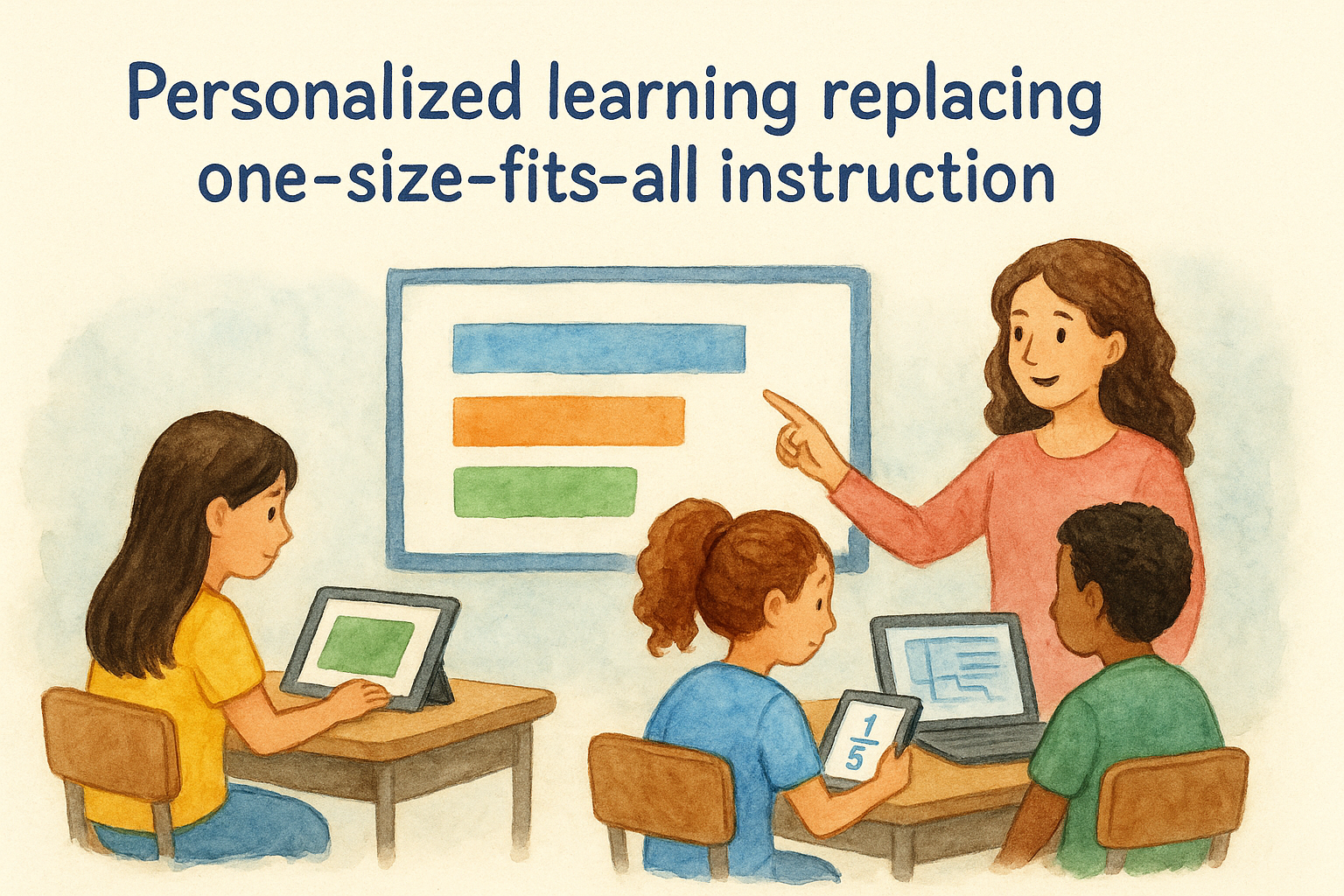
2. Personalized learning replacing one-size-fits-all instruction
Gone are the days when every student in a class worked through the same worksheet at the same pace. AI-driven personalized learning now lets students move through material based on what they actually know, not what the calendar says they should know. This shift ranks among the most talked-about education trends because it directly tackles the gap between your fastest and slowest readers without requiring you to teach three separate lessons at once.
What this trend looks like in classrooms
Students work through leveled content, choice boards, or adaptive software that adjusts difficulty in real time. A student who masters fractions early moves on to decimals while a classmate gets extra practice with visual models, all inside the same 45-minute block.
Why it matters for teachers and students
Mastery replaces the race to finish, which means struggling students stop falling permanently behind and advanced students stop coasting on repetition they don’t need.
Personalized learning works because it finally lets pace match ability instead of the other way around.
How to start using it in your own classroom
Begin with one unit rather than your whole curriculum:
- Use a differentiated instruction tool and a few proven differentiation strategies to generate two or three versions of the same lesson.
- Build simple choice boards for independent practice time.
- Track mastery with quick exit tickets instead of one big test.
The Cautiously Optimistic Teacher’s Differentiated Instruction Helper makes this first step fast instead of overwhelming.
3. Social-emotional learning becoming a core part of school
Schools are treating social emotional learning and its five competencies as core curriculum, not an add-on for the counselor’s office. Among current trends in education, this one shows up fastest in daily routines: morning check-ins, conflict resolution scripts, and explicit lessons on naming emotions before diving into academic content.
What this trend looks like in classrooms
Teachers open class with a quick mood check, use restorative circles instead of detention slips, and build self-regulation skills directly into transitions between subjects. A student who’s frustrated learns to say so and request a break rather than shutting down or acting out.
Why it matters for teachers and students
Students who can name and manage emotions spend less time in conflict and more time learning, and teachers spend less energy on behavior management that eats into instructional minutes.
Kids who can name what they’re feeling stop acting it out in the hallway.
How to start using it in your own classroom
Start with routines you already run:
- Add a 2-minute emotional check-in before your first lesson.
- Teach one conflict-resolution phrase and practice it weekly.
- Pair SEL work with existing resources, like The Cautiously Optimistic Teacher’s Brain Builders Workshop for growth mindset instruction.
Small, consistent habits build student mindset faster than a one-time assembly ever will.
4. Hybrid and technology-enhanced classrooms expanding access
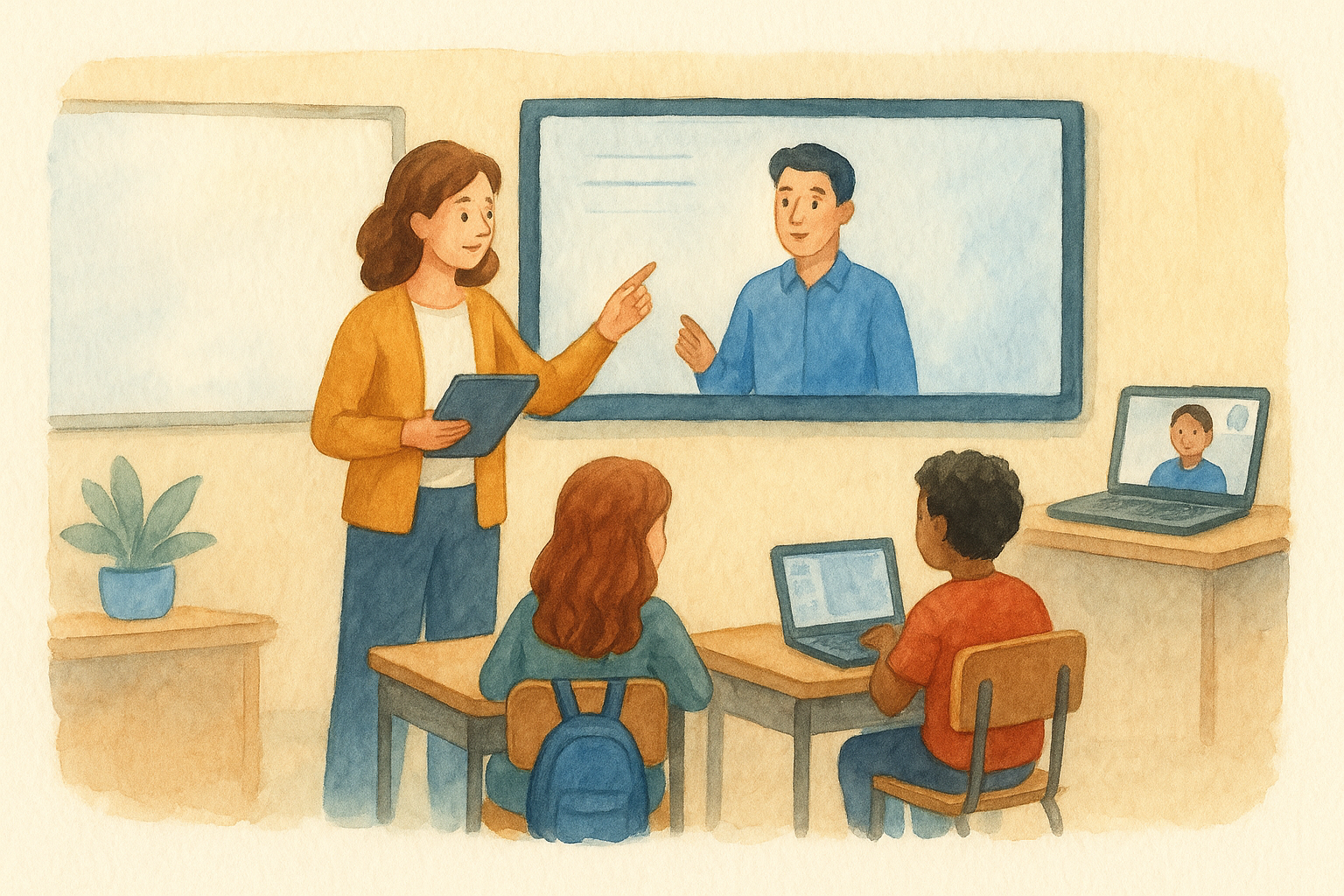
Classrooms no longer stop at the physical walls of your building. Hybrid learning models blend in-person instruction with digital tools, letting students access lessons, recordings, and assignments whether they’re sitting at a desk or logging in from home. This trend gained momentum out of necessity a few years back, but it’s stuck around because it genuinely expands who can access quality instruction.
What this trend looks like in classrooms
Teachers record short lesson videos students revisit before a quiz, run discussion boards that extend class conversation past the bell, and use shared digital documents so absent students stay caught up without a separate makeup packet. A snow day or a sick kid no longer means a lost week of content.
Why it matters for teachers and students
Students with inconsistent attendance, whether from illness, family obligations, or unpredictable schedules, finally get a path to keep pace instead of falling permanently behind. Teachers spend less time reteaching and more time moving the class forward together.
Hybrid tools don’t replace your classroom, they just stop absence from meaning failure.
How to start using it in your own classroom
Pick one low-lift addition first:
- Record a five-minute recap video after key lessons.
- Post assignments and notes in one shared, always-accessible folder.
- Use a simple discussion thread for questions outside class time.
Start with the class that has your worst attendance record and build from there.
5. Teacher well-being taking center stage in school planning
Administrators finally treat teacher wellness strategies as a planning priority instead of an afterthought handled by a single wellness Friday. Among the trends in education worth watching this year, this shift matters because it addresses the root cause behind so many others: exhausted teachers can’t sustainably deliver personalized learning, SEL routines, or hybrid instruction.
What this trend looks like in classrooms
Schools now build protected planning periods into the master schedule, cap after-hours communication expectations, and bring in AI tools specifically to cut grading and prep time rather than add new initiatives on top of an already full plate. Some districts survey staff quarterly on workload instead of waiting for exit interviews to find out morale has collapsed.
Why it matters for teachers and students
Teacher turnover costs districts money and costs students consistency, since a revolving door of substitutes and new hires disrupts learning far more than any curriculum gap. The U.S. Department of Education has flagged workforce stability as a direct factor in student outcomes, which puts well-being squarely inside the instructional conversation, not outside it.
A rested teacher teaches better than an exhausted one, no matter how good the lesson plan is.
How to start using it in your own classroom
You don’t need district buy-in to start protecting your own time:
- Automate one recurring task with an AI tool instead of doing it manually every week.
- Block fifteen minutes of your planning period as untouchable, no exceptions.
- Track how you actually spend prep time for one week before deciding what to cut.
Small boundaries add up faster than waiting for a policy change.
Bringing these trends into your own classroom
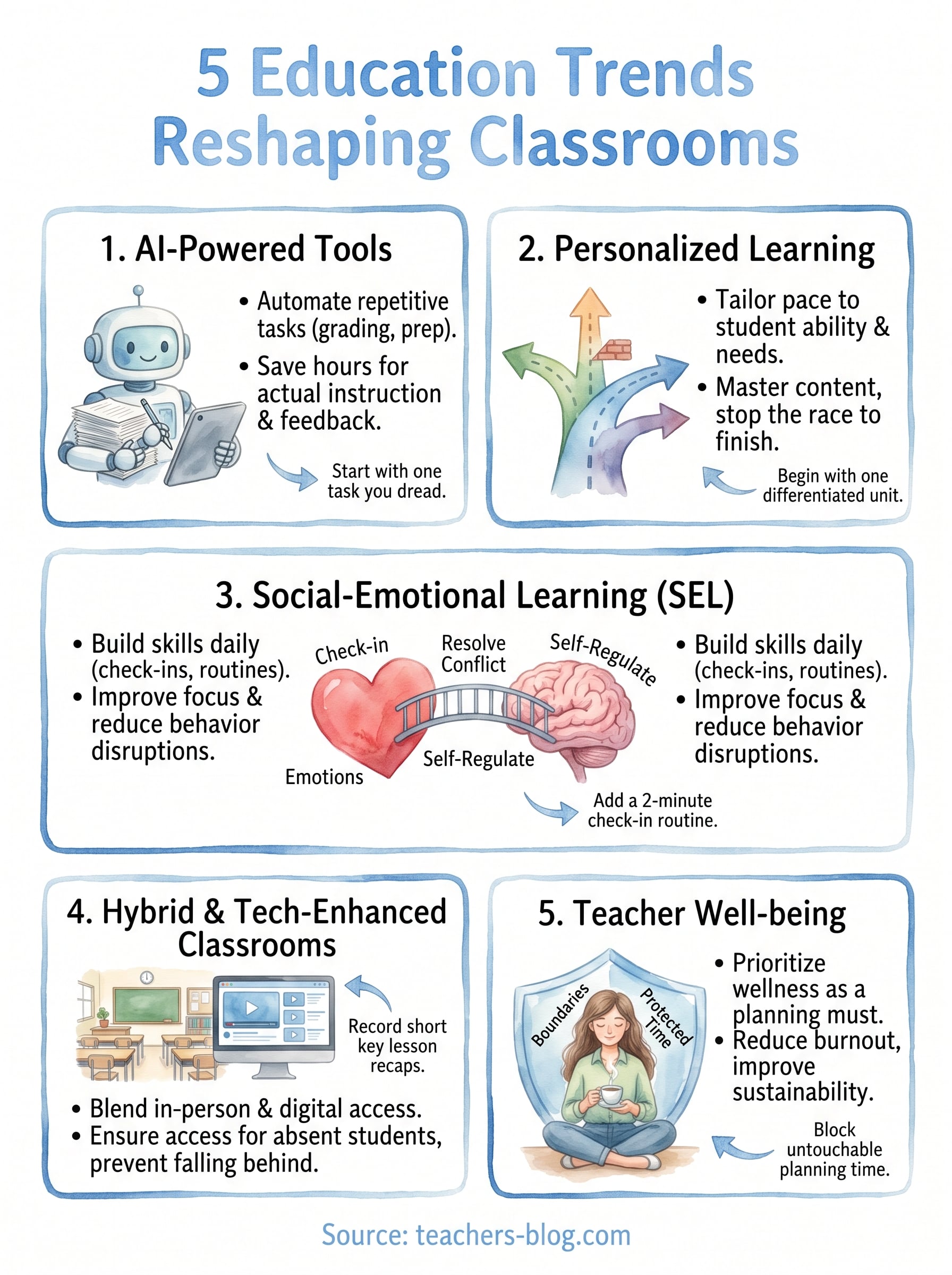
None of these trends in education require you to overhaul your classroom overnight. AI tools cut your grading time, personalized learning matches pace to ability, SEL routines cut down on behavior disruptions, hybrid options keep absent students on track, and protecting your own well-being makes all the rest sustainable. Pick one, not all five, and give it a few weeks before adding another.
Success here looks less like a dramatic classroom transformation and more like fifteen minutes back in your day, one fewer student falling behind, one fewer conflict eating into instructional time. Small, deliberate changes compound faster than any sweeping initiative ever does.
Start with the trend that solves your biggest headache right now. If that’s the pile of grading and prep work, explore these 20 essential AI apps for teachers built to hand you that time back this week, not next semester.