5 Benefits Of Teaching Career You’ll Feel In Your First Year
Most articles about the benefits of teaching career paths read like recruitment brochures, summers off, pension plans, the usual. And sure, those matter. But they don’t capture what actually hits you during that first year in the classroom, when the job stops being theoretical and starts being your life.
Here at The Cautiously Optimistic Teacher, we build resources for educators at every stage, from interview prep to AI-powered lesson tools, because we know teaching is a career worth investing in. We also know that the decision to become a teacher deserves more than vague promises. It deserves honest, specific reasons grounded in what the job actually feels like when you’re living it.
So here are five benefits you won’t have to wait decades to experience. These are the ones that show up early, often within your first year of teaching, and they’re the reasons so many educators say they’d choose this path all over again.
1. You can save hours with simple planning systems
One of the most overlooked benefits of teaching career life is how quickly good planning systems pay for themselves. Once you build a solid unit template or weekly routine early in September, you reuse it throughout the year. The time you put in upfront starts returning to you within weeks, and that changes how your evenings feel.
What this looks like in your first year
In your first year, lesson planning feels like the biggest time drain because everything is genuinely new. You’re building from scratch, estimating pacing, and adjusting constantly after every class. But even within that first semester, reusing a strong unit structure across multiple topics cuts your weekly prep time noticeably.
The workflows that give you the biggest time back
The highest-return habits are simple: batch your planning on one or two set days, keep a shared folder of reusable materials organized by unit, and build a consistent lesson format your students recognize. When your students know the structure, you spend less time explaining procedures at the start of class and more time teaching actual content.

A predictable lesson format doesn’t limit creativity; it frees up the mental space you need to be creative where it actually matters.
Where AI tools can help without adding more work
AI tools can generate first drafts of worksheets, discussion questions, and differentiated materials in minutes, giving you a solid starting point instead of a blank page. The key is using them for repetitive, lower-stakes tasks like creating leveled versions of a reading passage or generating a quick quiz, so your energy stays on decisions only you can make.
Mistakes that quietly steal your evenings and weekends
Over-planning is the most common trap for new teachers. Writing detailed scripts for every lesson, creating brand-new materials every week, and grading every single assignment individually all add hours that rarely improve outcomes. Focus on high-impact work like clear objectives and meaningful feedback on major assignments, and protect the rest of your time intentionally.
2. You feel purpose from real student relationships
One of the most powerful benefits of teaching career paths is also one of the hardest to explain to people outside the profession: the relationships. Real, ongoing connections with students give the job a weight and meaning that most careers simply don’t offer.
The first-year moments that make teaching feel worth it
You don’t need to wait long for these moments. A student who finally grasps a concept they’ve struggled with for weeks, or one who quietly thanks you on the last day of school, gives you something concrete to hold onto when the hard days pile up. These early wins tend to arrive before winter break, sometimes within the first month.
How relationships drive behavior and learning
Students work harder for teachers they trust. Classroom management becomes significantly easier when students feel respected, and learning deepens when they feel safe to take risks. Building relationships isn’t separate from your teaching; it’s what makes your teaching work.
The student who gives you the most trouble is often the one who needs the relationship most.
Practical ways to build trust fast in the first semester
Learn names quickly, greet students at the door, and always follow through on what you say. Small, consistent actions build credibility faster than any grand gesture.
Boundaries that protect your energy while you care
Caring deeply doesn’t mean being available at all hours. Setting clear communication windows, like responding to messages only during school hours, keeps your care sustainable. Protecting your personal time is what allows you to show up fully for students the next day.
3. You see growth you can actually measure
One of the most concrete benefits of teaching career work is watching students improve in real time. Unlike many jobs where results stay abstract, teaching gives you regular, visible evidence that your effort actually matters.
The types of student progress you notice first
Reading fluency, writing clarity, and participation confidence are usually the first gains you see. A student who wouldn’t speak in September is raising their hand by November, and that shift is impossible to miss.
How to spot growth even when scores feel slow
Standardized scores take time to move, but growth shows up in smaller ways first: cleaner sentence structure, more detailed answers, fewer repeated mistakes. Tracking those micro-gains keeps your motivation steady when test data lags behind the actual learning happening in your room.
Scores tell part of the story. What students do daily tells the rest.
Quick routines for tracking learning without more grading
Use exit tickets and quick verbal checks instead of grading every assignment. A simple tracking sheet with three columns works well:
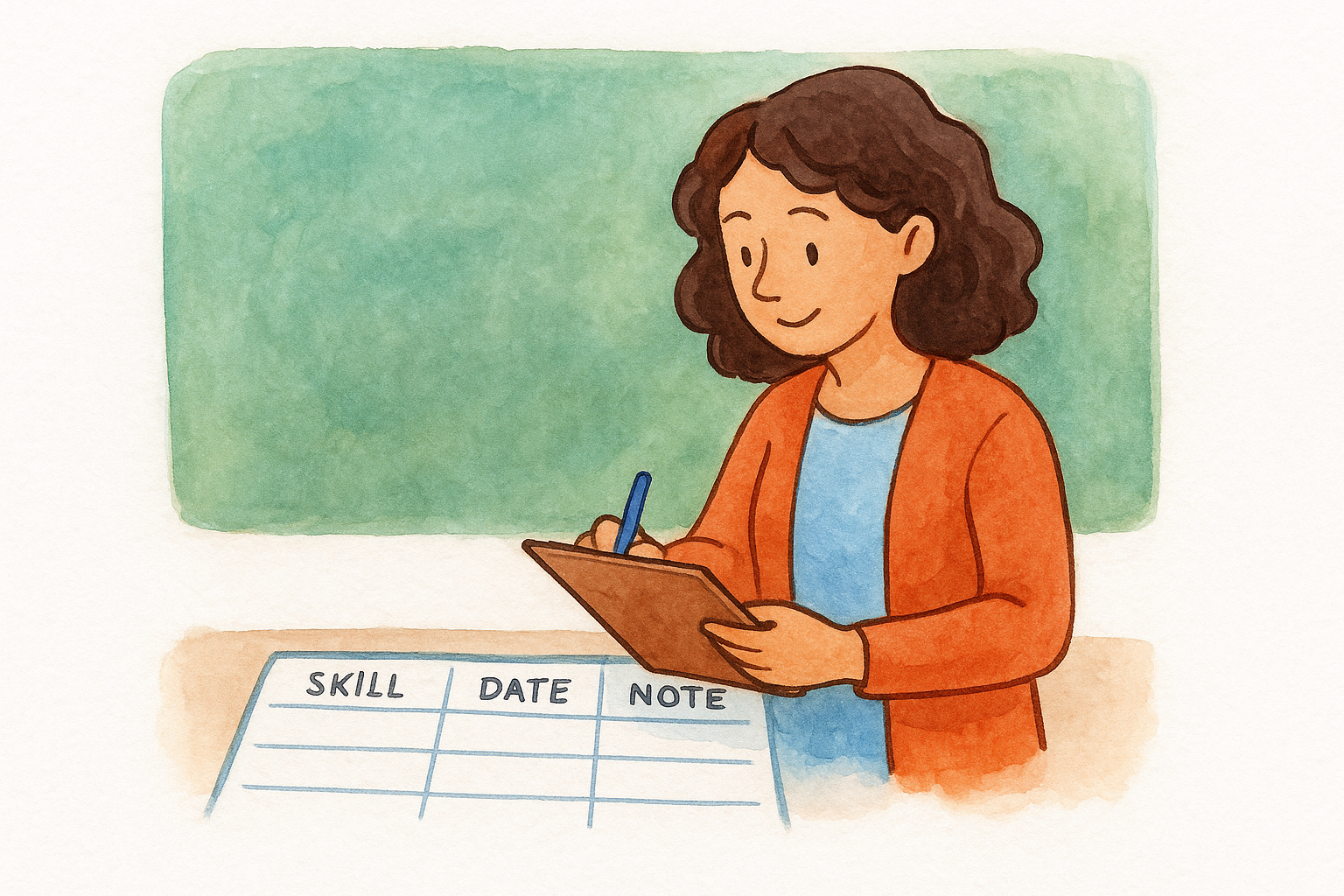
- Skill: what you observed
- Date: when you noticed it
- Note: any context worth remembering
How to talk about growth with families and admin
Come to conferences with specific examples and dated samples of student work. Concrete evidence builds credibility faster than general statements, and it shows families and administrators that your classroom produces real, documented results.
4. You get built-in time off and a predictable calendar
The school calendar gives you something most careers don’t: built-in recovery points at regular intervals throughout the year. This is one of the most underrated benefits of teaching career life, especially in your first year when energy runs low faster than you expect.
What the school-year rhythm feels like as a new teacher
Your year moves in predictable cycles: fall semester, winter break, spring semester, and summer. That structure lets you pace your effort across the year rather than grinding through open-ended months with no clear finish line in sight.
How breaks support recovery and better teaching
Breaks reset your energy and sharpen your perspective. Teachers who genuinely rest during school breaks return to class with more patience and better focus, and that directly improves what happens in your room.
Rest isn’t separate from good teaching; it’s what makes good teaching repeatable.
Ways to plan ahead so time off stays time off
Finish grading before the last school day of each term. That one habit keeps work from bleeding into your break and makes real recovery possible.
Common realities about after-hours work and how to manage it
First-year teachers often underestimate evening prep demands, particularly in September and October. Setting a daily hard stop time and batching your planning into two set days each week prevents the job from quietly filling every spare hour you have.
5. You gain stability and clear career paths
One of the most practical benefits of teaching career life is the structural stability it provides. Consistent pay schedules, health insurance, and retirement plans give you a financial foundation that many private-sector jobs simply don’t match in your first years out of school.
Pay, benefits, and what to ask about before you accept a job
Before you sign a contract, ask specifically about salary step increases and benefits eligibility timelines. Some districts start health coverage immediately; others have a waiting period. Knowing those details upfront prevents surprises.
Why schools keep hiring and where demand stays high
Teacher shortages in STEM subjects, special education, and rural districts mean consistent hiring across most states. If you hold a high-need certification, your job security is even stronger from day one.
Stability doesn’t mean stagnation. It means you have a solid floor to build from.
Career options beyond your classroom role
Teaching opens doors to instructional coaching, curriculum development, department leadership, and school administration without requiring you to leave education entirely. Many teachers move into these roles within five to ten years.
The top reasons teachers leave and how to avoid them
Burnout and lack of support drive most early exits. Protecting your evenings, finding a mentor in your building, and setting realistic expectations in your first year keeps you in the profession long enough to fully benefit from it.
Your first-year takeaway
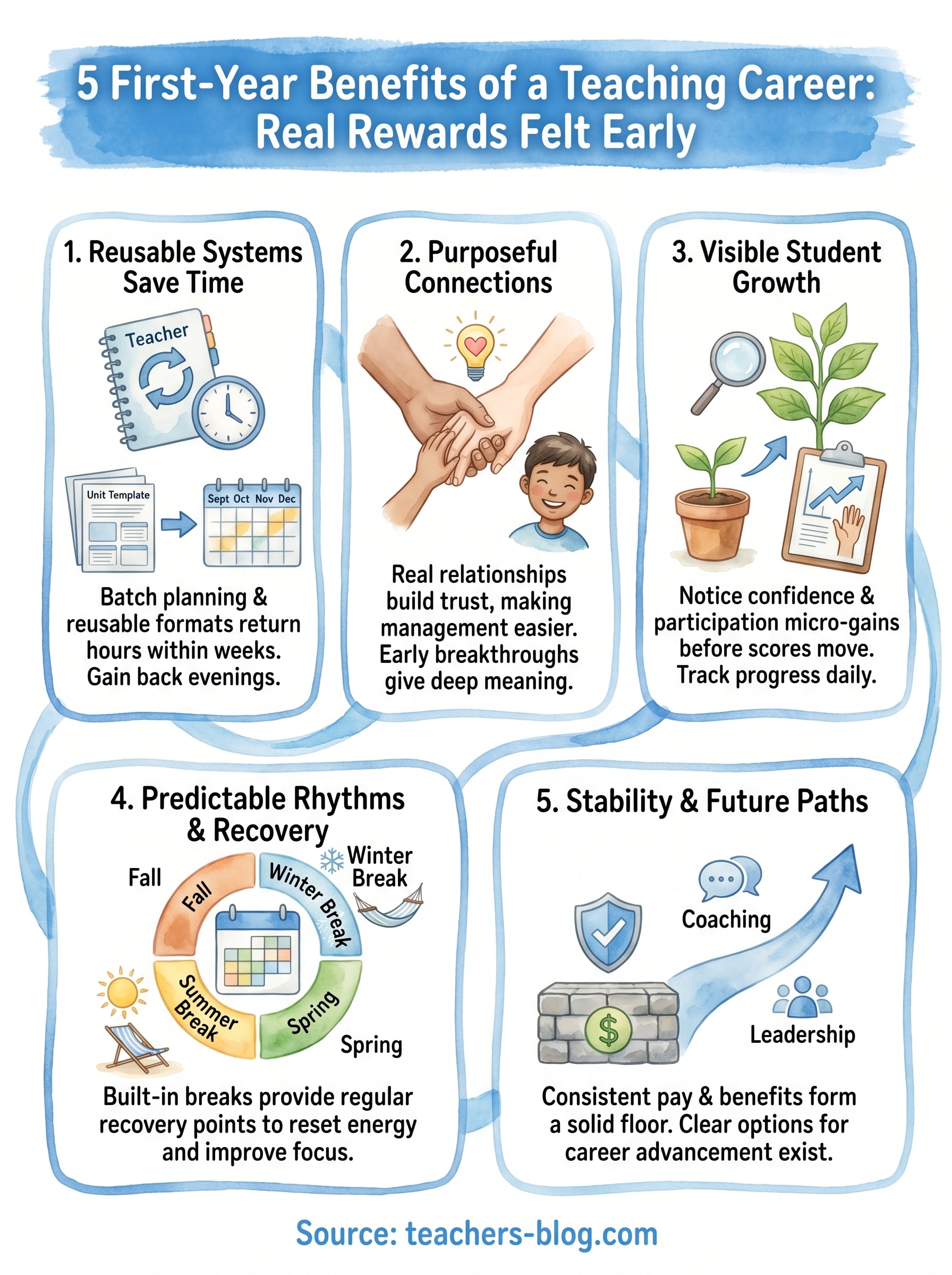
The benefits of teaching career life aren’t hidden in the distant future. Time-saving systems, meaningful relationships, visible student growth, built-in recovery breaks, and structural stability all show up in year one, often before you finish your first semester. You don’t need decades in the classroom to feel them.
What you do need is intentional habits from the start: protect your evenings, build relationships early, track growth in small ways, rest during breaks, and ask the right questions before you sign a contract. Those choices determine whether your first year feels sustainable or exhausting.
Teaching rewards the educators who treat it like a craft worth investing in, not just a job to survive. If you want practical tools, lesson resources, and strategies that help you work smarter from day one, explore everything The Cautiously Optimistic Teacher has to offer and start your first year with a real advantage.