Why Relationships Matter More Than Rules in Classroom Management
Rules don’t regulate a classroom—relationships do. In this fourth lesson of our free classroom management course, we examine why relationships matter in classroom management as the primary driver of student cooperation. While rules provide the “what,” relationships provide the “why,” turning potential power struggles into moments of guidance. By building a foundation of trust and psychological safety, you create a classroom climate where students are more likely to accept redirection and engage in learning without the need for constant punitive enforcement.
Part of Module 1: Rethinking Classroom Management | Full Course Outline
What You’ll Learn about Relationships Over Rules
The Biology of Behavior: Why student brains prioritize “Safety through Connection” before they can process academic rules.
The Compliance vs. Connection Gap: How to identify when a “behavior problem” is actually a “relationship rupture.”
High-Leverage Relational Habits: Small, daily actions (like the 2×10 strategy) that yield massive behavioral dividends.
Restorative Redirection: How to correct a student’s behavior without damaging the underlying bond.
Authority through Authenticity: Why being “real” with students actually increases your classroom control rather than weakening it.
Most classrooms already have rules. They’re posted. They’re explained. They’re revisited in September—and again in January—sometimes in bold font with consequences attached.
And yet… behavior issues persist.
That’s because rules don’t regulate behavior—relationships do. When students feel seen, respected, and safe with the adult in the room, behavior becomes easier to manage. Not perfect. Not silent. But predictable, human, and repairable.
This module explores why relationships matter more than rules in classroom management, and how focusing on connection is one of the most powerful preventative strategies a teacher can use.
What We Mean by “Relationships” (and What We Don’t)
Let’s clear something up right away.
Building relationships does not mean:
Being students’ best friend
Lowering expectations
Letting behavior slide
Turning your classroom into chaos with vibes
Strong relationships actually make high expectations possible.
In classroom management, relationships mean:
Trust between teacher and student
A sense of belonging and psychological safety
Consistency paired with empathy
Students believing that you are on their side
When students trust you, correction feels fair—not personal.
The Research: Why Relationships Change Behavior
Decades of research point to the same conclusion: student behavior is deeply relational.
Studies on classroom climate and attachment consistently show that students are more likely to:
Follow expectations
Accept redirection
Persist through frustration
Recover after mistakes
…when they feel connected to their teacher.
Researchers like Robert Pianta have shown that positive teacher–student relationships improve not just behavior, but academic engagement and emotional regulation.
Similarly, educational philosopher Nel Noddings argues that care and connection aren’t “soft extras”—they are foundational to meaningful learning environments.
In short:
Students behave better for teachers they believe care about them.
Why Rules Alone Don’t Work
Rules are reactive tools. They tell students what not to do after something goes wrong.
Relationships are preventative. They shape how students:
Interpret teacher intent
Respond to correction
Decide whether it’s “worth it” to comply
When a student doesn’t trust the adult enforcing the rule, the rule becomes a power struggle.
When a student does trust the adult, the rule becomes guidance.
Same rule.
Completely different outcome.
Relationships as a Preventative Model
This course emphasizes preventative classroom management, and relationships sit right at the center of it.
Strong relationships:
Reduce defiance before it starts
Lower the emotional temperature of the room
Make redirection quieter and quicker
Turn “discipline moments” into learning moments
When relationships are strong, teachers spend less time managing behavior—and more time teaching.
Practical Ways to Build Relationships (Without Losing Authority)
This doesn’t require grand gestures or endless one-on-one conversations.
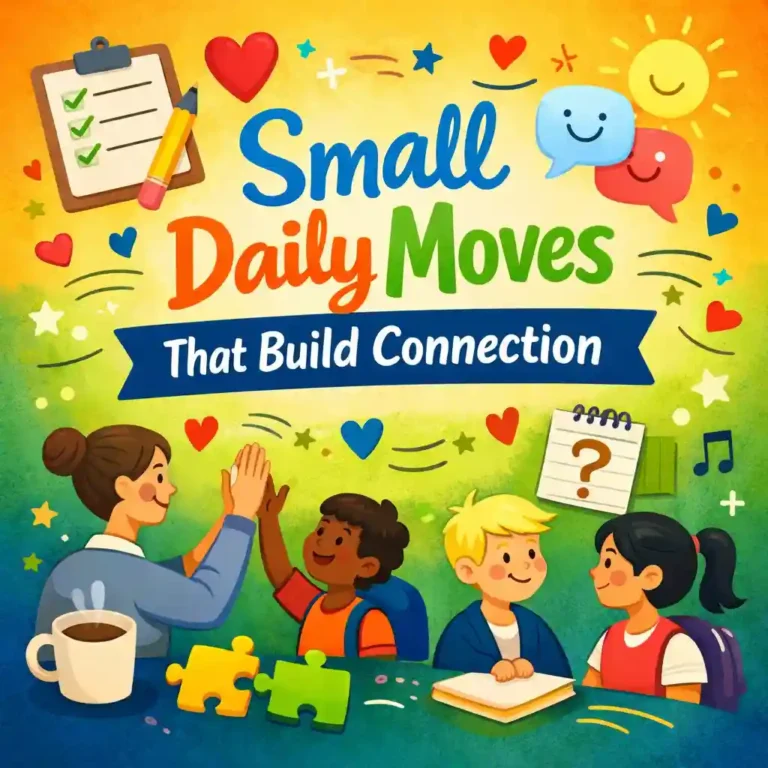
Small, consistent actions matter most:
Learn names quickly (and pronounce them correctly)
Greet students at the door
Notice effort, not just outcomes
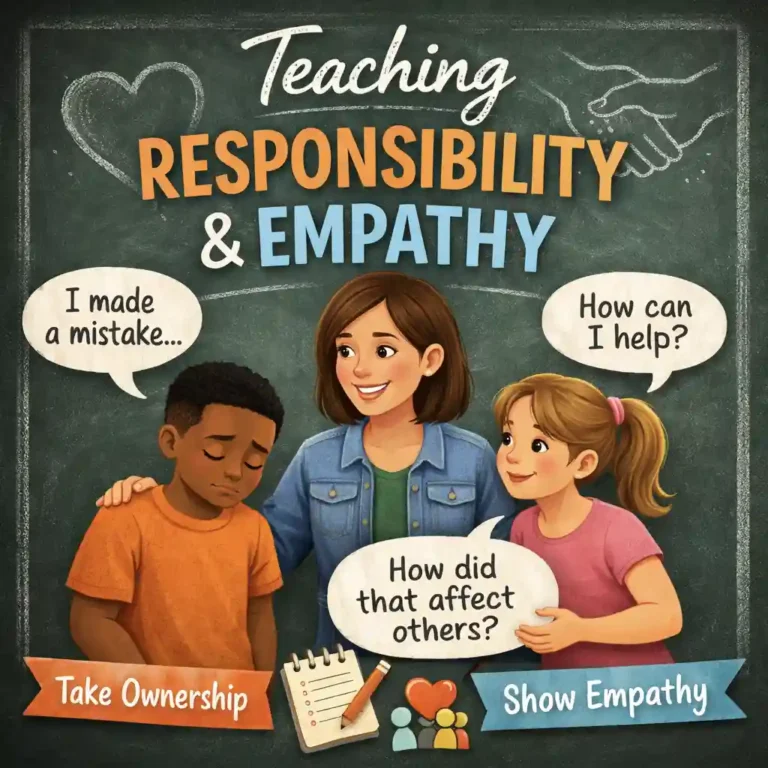
Separate the behavior from the student
Repair after conflict instead of “winning” it
None of these weaken classroom control.
They strengthen it.
A Simple Reframe for Teachers
| Feature | A Rules-First Approach | A Relationship-First Approach |
| Primary Goal | Compliance and silence. | Cooperation and mutual respect. |
| Motivation | Avoidance of punishment. | Desire to stay in “good standing” with the teacher. |
| Response to Conflict | Enforcing the consequence (The “Judge” role). | Repairing the harm (The “Coach” role). |
| Student Mindset | “I’m in trouble.” | “I messed up, but I’m still part of this community.” |
| Sustainability | High teacher burnout (constant policing). | Sustainable culture (students self-regulate). |
Key Takeaway
Rules matter.
Expectations matter.
Consistency matters.
But relationships are the foundation that makes all of those things work.
If you want fewer power struggles, calmer transitions, and more student buy-in, the most effective classroom management move isn’t a new rule—it’s a stronger connection.
Building Teacher-Student Relationships FAQ
- Does focusing on relationships mean I have to be “friends” with my students? No. Building a professional relationship is about trust and psychological safety, not social friendship. It means students believe you are on their side and that your expectations are designed for their success, which actually makes your authority more effective.
- Will a relationship-first approach make me look “soft” or weak to students? Actually, the opposite is true. When students respect and trust you, they are more likely to accept redirection without a power struggle. High expectations are only possible when there is a foundation of mutual respect to support them.
- How do I build relationships with “difficult” students who push me away? Use low-stakes, consistent strategies like the “2×10 strategy” (spending 2 minutes a day for 10 days talking about non-school topics). Consistency is key; showing that you are still “their teacher” even after a bad day is the fastest way to break down those barriers.
Continue the Classroom Management Course
In the next lesson, we’ll examine some of the common myths that many believe make for strong classroom management — but they really prevent us from making classrooms function properly.
Next Lesson: Common Myths That Make Management Harder
Module 1 Progress:
Back to Module 1 Overview
Return to Full Course Outline