Day 52: Teaching Political Cartoons Through Literature
Political cartoons are one of my favourite teaching tools because they force students to do real thinking—no skimming, no guessing, no shortcuts. Students have to interpret symbolism, understand context, and infer meaning, all while engaging with humour and exaggeration. This lesson connects political cartoons directly to our novel study, helping students move from analysis to creation.
1. Introduction to the Day
I start the class by asking a simple question: “Have you ever seen a cartoon that made a serious point?”
Most students immediately think of exaggerated drawings, funny characters, or memes they’ve seen online. This opens the door to explaining that political cartoons are meant to comment—often critically—on real issues using images, symbols, and satire. Today’s goal is to learn how they work and then apply that thinking to the novel we’re reading.
2. Silent Reading (20 Minutes)
Students read independently from their novel. I encourage them to quietly track moments where:
A social issue is becoming clearer
A character faces injustice, pressure, or conflict
Power, identity, or belonging is challenged
This reading time sets them up for the creative task later in the lesson.
3. Independent and Dependent Clauses
Before moving into cartoons, I briefly introduce independent and dependent clauses. I keep this short and practical, focusing on the idea that:
Independent clauses can stand alone
Dependent clauses add detail but need support
Click here for the full independent and dependent clauses lesson.
4. Quick Lesson: What Are Political Cartoons?
I define political cartoons in clear, student-friendly language:
A political cartoon is a visual argument.
It uses:
Symbolism (objects standing for ideas)
Exaggeration (overstating traits or situations)
Irony or satire (humour with a serious edge)
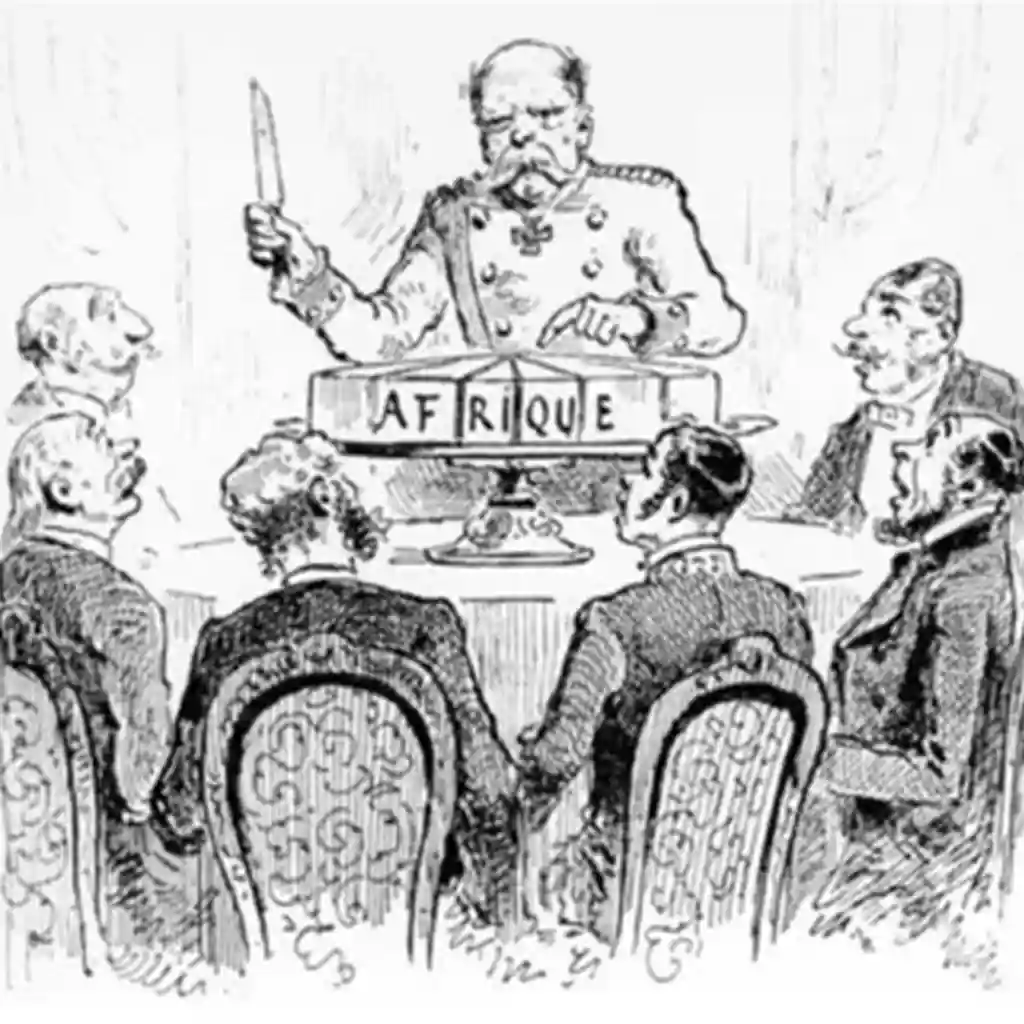
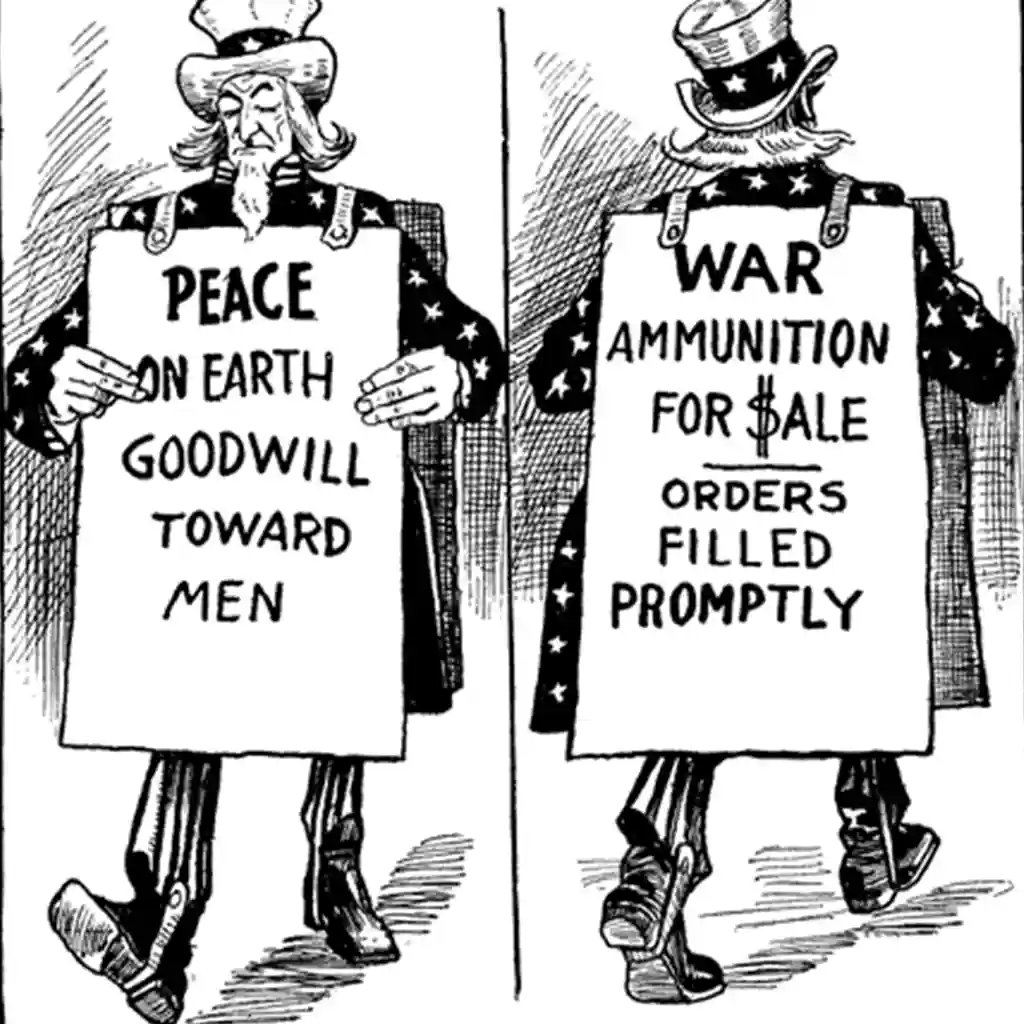
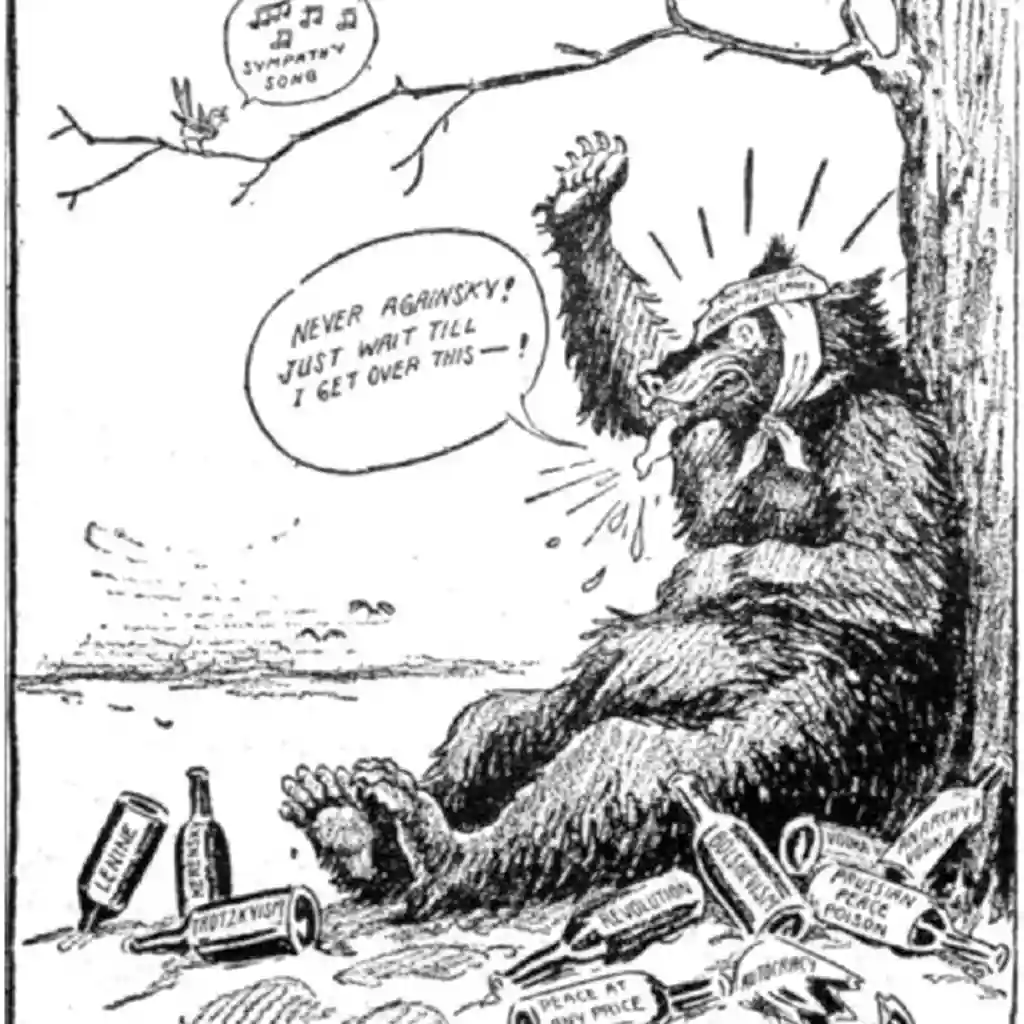
I show a few examples and guide students through quick analysis:
What issue is being addressed?
What symbols stand out?
What message is the cartoonist sending?
We talk about how these cartoons rarely explain themselves—the viewer has to do the thinking.
5. Creative Task: Political Cartoon Comic (Independent Work)
Students now create their own political-cartoon-style comic based on one key issue in their novel.
Task Guidelines:
Choose a single issue (e.g., discrimination, power, identity, injustice, stereotypes, control).
Create a one-panel or short comic in the style of a political cartoon.
Use symbolism or exaggeration instead of retelling a scene.
Include a short written explanation (3–5 sentences) explaining:
The issue being represented
The symbols used
The message they want the viewer to understand
I remind students that artistic skill is not the goal—thinking is. Stick figures are perfectly acceptable if the idea is strong.
6. Conclusion
To close the lesson, I ask a few volunteers to share their cartoon ideas or explain their symbolism. We revisit the idea that political cartoons—and literature—both challenge readers to look beneath the surface.