Building a Classroom Management Style You Can Sustain
One of the biggest mistakes teachers make with classroom management is trying to implement too many strategies at once.
We see a great idea in a book.
We hear a powerful strategy in a workshop.
We watch another teacher do something amazing.
So we try to do everything.
The result?
A management system that works for two weeks… and then quietly collapses.
The truth is simple:
The best classroom management system is the one you can sustain every day.
Not the most complicated system.
Not the strictest system.
Not the one with the most rules.
The one you can use consistently without exhausting yourself.
Sustainable Classroom Management Starts with You
Classroom management is not just about student behavior.
It is also about teacher capacity.
A strategy might look perfect on paper but fail in practice if it requires:
constant emotional energy
complicated tracking systems
constant monitoring
unrealistic consistency
When that happens, teachers become exhausted.
And when teachers are exhausted, management breaks down.
Sustainable classroom management works differently.
It is built around three questions:
Can I do this every day?
Can I stay calm while doing it?
Will this still work in November?
If the answer is yes, the strategy is sustainable.
Sustainable Management Is Simple Management
The most effective classrooms often run on very simple systems.
Not dozens of rules.
Not complicated behavior charts.
Instead, they rely on a few clear elements:
1. A Small Number of Clear Expectations
Students remember a few expectations much better than a long list of rules.
For example:
Respect people
Respect learning
Respect the space
Simple expectations create clarity without constant enforcement.
2. Predictable Routines
Routines reduce the number of decisions teachers must make every day.
Students automatically know:
how to enter the classroom
what to do when they finish work
how to transition between activities
how class ends
The more routines you teach, the less energy you spend managing behavior.
3. Calm, Neutral Responses
Sustainable management depends on emotional consistency.
When teachers constantly escalate emotionally, the job becomes exhausting.
Neutral language allows teachers to respond without draining emotional energy.
For example:
Instead of:
“How many times do I have to tell you to stop talking?”
Try:
“Let’s reset and focus on the task.”
The second approach protects both the teacher and the classroom climate.
Choose Strategies That Fit Your Personality
Not every classroom management strategy works for every teacher.
Some teachers thrive with high energy and humor.
Others prefer quiet authority.
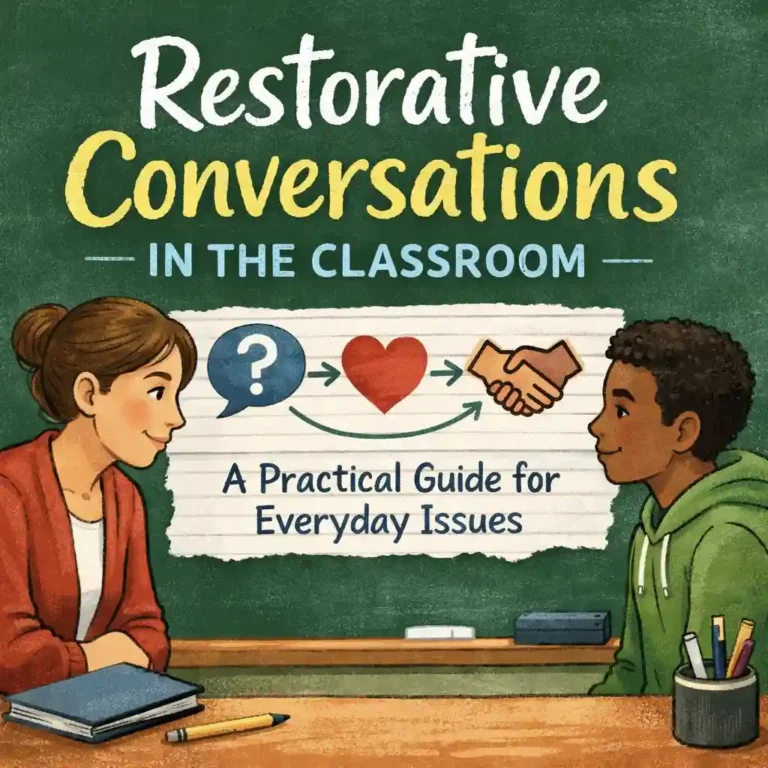
Some teachers enjoy restorative conversations.
Others prefer quick redirection and moving forward.
Sustainable management happens when your strategies match your personality.
If a strategy feels unnatural, it becomes difficult to maintain.
Students can sense authenticity.
When management matches who you are, it becomes easier to sustain.
Your System Will Evolve
Another important truth:
No classroom management system stays perfect forever.
Every class is different.
Every year is different.
Sometimes a strategy works beautifully one year and struggles the next.
That is normal.
Sustainable teachers treat management like an ongoing process rather than a fixed formula.
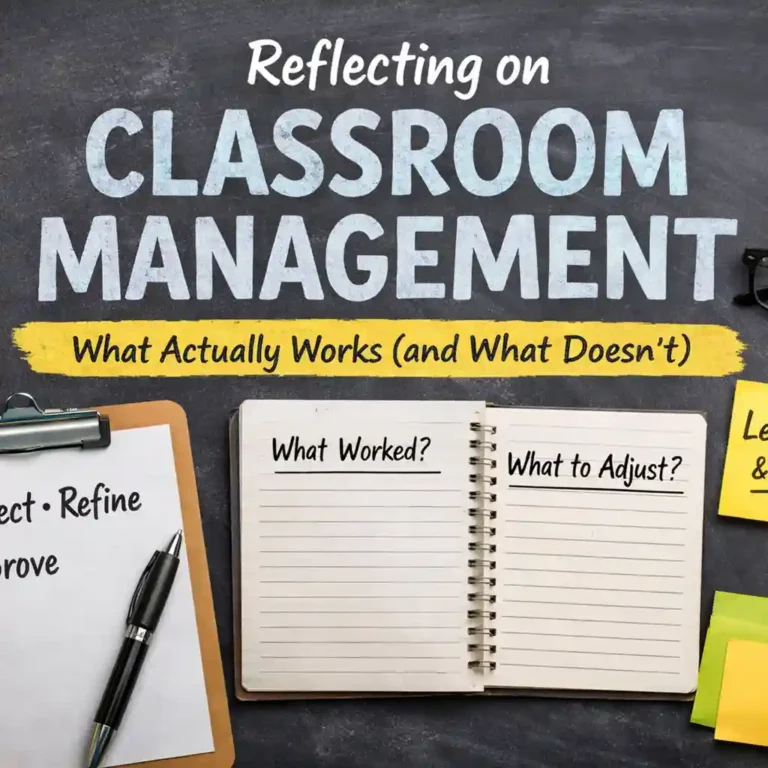
They regularly ask themselves:
What is working well?
What is draining my energy?
What can I simplify?
Small adjustments over time keep management systems healthy.
The Danger of “Perfect Teacher” Thinking
Many teachers believe they must run a perfectly controlled classroom.
But perfect control is impossible.
Students are human.
Classrooms are complex.
When teachers chase perfection, they often become discouraged.
Sustainable classroom management replaces perfection with something better:
steady improvement.
Instead of asking:
“Was my class perfect today?”
Ask:
“Did I move the class in the right direction?”
Small wins accumulate over time.
Sustainable Management Protects Teacher Well-Being
At its core, sustainable classroom management protects something essential:
the teacher.
Teachers who last in the profession understand an important principle:
If your management system burns you out, it cannot succeed.
A sustainable system:
reduces daily stress
supports consistency
protects emotional energy
creates a calmer classroom environment
When teachers feel stable and confident, students feel it too.
Classrooms become more predictable, supportive, and productive.
A Simple Framework for Sustainable Classroom Management
If you want to build a management system that lasts, start with this simple structure:
1. Three clear expectations
Keep them short and memorable.
2. Five strong routines
Entry, transitions, independent work, help-seeking, and exit.
3. Calm correction language
Use neutral responses that reduce emotional escalation.
4. Relationship building every day
Small positive interactions prevent many problems.
5. Regular reflection
Adjust the system instead of abandoning it.
This structure is simple enough to sustain but powerful enough to shape classroom culture.
Final Thought
Sustainable classroom management is not about having the most impressive system.
It is about having a system that works every day, all year long.
When management becomes sustainable, teaching becomes more enjoyable.
Students benefit from consistency.
Teachers regain emotional energy.
And the classroom becomes a place where both learning and well-being can thrive.
Next: Creating Your Personal Management Philosophy