
Mystery Bag Poetry Lesson Plan: A Sensory Writing Game
Try this Mystery Bag poetry lesson plan to teach sensory language, inference, and descriptive writing through a hands-on guessing game.

Try this Mystery Bag poetry lesson plan to teach sensory language, inference, and descriptive writing through a hands-on guessing game.

Belonging matters, but a 2025 replication study shows that brief belonging interventions do not work the same way everywhere. Here is the more useful lesson for teachers.
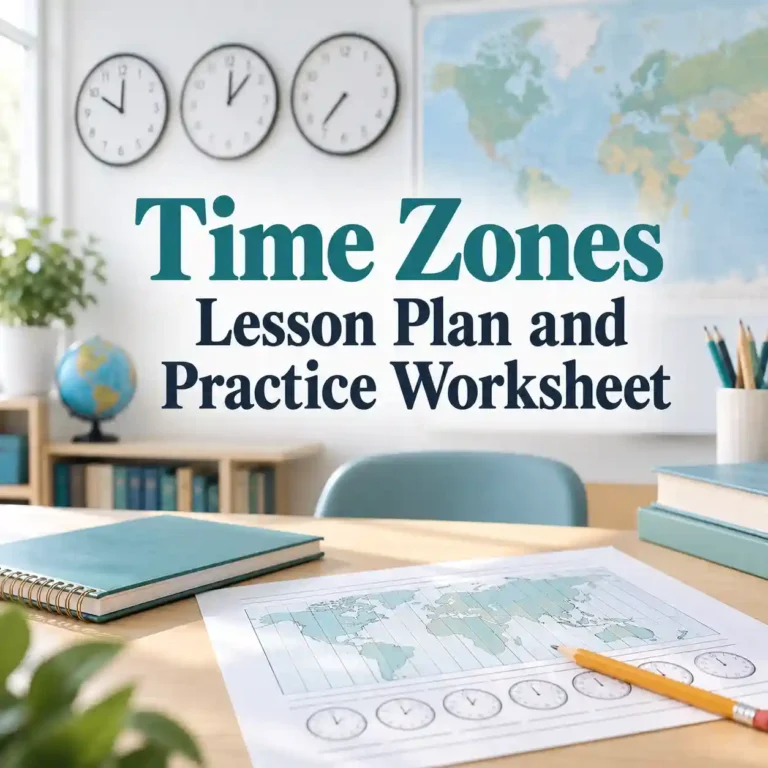
Ask a class “What time is it in Tokyo right now?” and you will get confident guesses, a few blank stares, and at least one student who says “the same as here, obviously.” Time zones look like a geography topic, but they actually combine several skills at once: reading a map, working with positive and…
Use this Reverse Poems lesson plan to teach structure, perspective, revision, and word choice through a challenging reversible poetry activity.
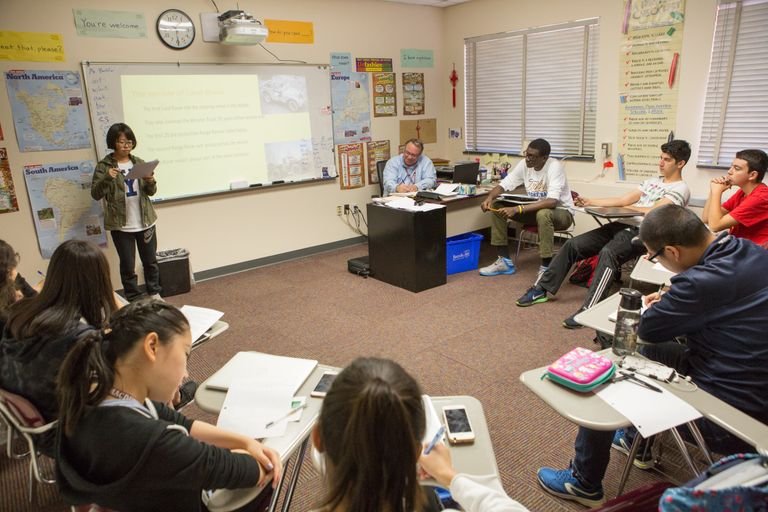
Short classroom movement breaks are often promoted as a cure for attention problems. The research is more nuanced—and still gives teachers useful reasons to use them.

This Shadow Poems lesson plan uses silhouettes to inspire imagery, perspective, inference, and original poetry in a visual classroom activity.
Teacher safety in schools affects morale, retention, and student learning. Research shows why administrators must treat staff safety as a core priority.
A 2025 meta-analysis suggests that autonomy support and clear structure work best together. Here is how teachers can offer meaningful choice without creating classroom chaos.
Use this Tactile Poetry lesson plan to build sensory vocabulary and imagery through a hands-on classroom poetry activity using texture.
A 2024 meta-analysis found a small achievement advantage for handwritten lecture notes among college students, even though typing captures more words. What should teachers do with that finding?