
45 Poetry Games for the Classroom (With Full Lesson Plans)
Poetry games for the classroom can help students practise imagery, rhythm, figurative language, close reading, collaboration, and creative writing without turning every poetry lesson into a worksheet. Whether you need a five-minute warm-up or an entire class-period activity, these 45 poetry games offer flexible starting points for elementary, middle, and high school classrooms.
Each activity below links to a complete, classroom-ready lesson plan with instructions and teaching suggestions. Browse by number, choose the skills you want to develop, or bookmark the page for your next poetry unit or National Poetry Month.
TEACHER QUICK GUIDE
Best for: Grades 4–12 (adaptable) • Prep: Low to moderate • Time: 5–60 minutes depending on the game • Focus: Reading, writing, speaking, and responding to poetry
What are the best poetry games for students?
Start with the skill you want students to practise. For figurative language, try Metaphor Mingle or Simile Stations; for collaboration, use Exquisite Corpse or Two Voice Poems; for imagery, try Blackout Poetry or Photo Prompts. Every game below includes a short explanation and a link to the complete classroom lesson.
Find a poetry game that fits your lesson
Need a quick warm-up? Try Rhyme Time Challenge, Emoji Emotion, or Two-Minute Topics. To teach figurative language and imagery, start with Metaphor Mingle, Simile Stations, or Weather Poems. For collaborative learning, try Exquisite Corpse, Poetry Pair Share, or Two Voice Poems.
1. Haiku Hunt
Take students outdoors or invite them to observe a view through a classroom window. Have them jot down five sensory details, then shape the strongest images into a three-line haiku. The traditional 5–7–5 syllable pattern can be a useful starting scaffold; focus the discussion on vivid observation and deliberate word choice.
Students practise: Observation, imagery, concise writing.
2. Exquisite Corpse
Students each write a poetic line, fold the paper to conceal it except for a small cue, and pass it along. Continue until every student has contributed, then unfold and read the unpredictable collaborations. Discuss which surprising images or sound patterns emerged and how students might revise the poem into something coherent.
Students practise: Collaboration, spontaneity, revision.
3. Acrostic Race
Write a theme word vertically, such as OCEAN or COURAGE. Working alone or in teams, students race to write a line beginning with each letter while keeping the poem connected to the theme. Reward imagery and coherence rather than speed alone, then give a minute for students to improve a weak line.
Students practise: Acrostic form, vocabulary, creative fluency.
4. Musical Poems
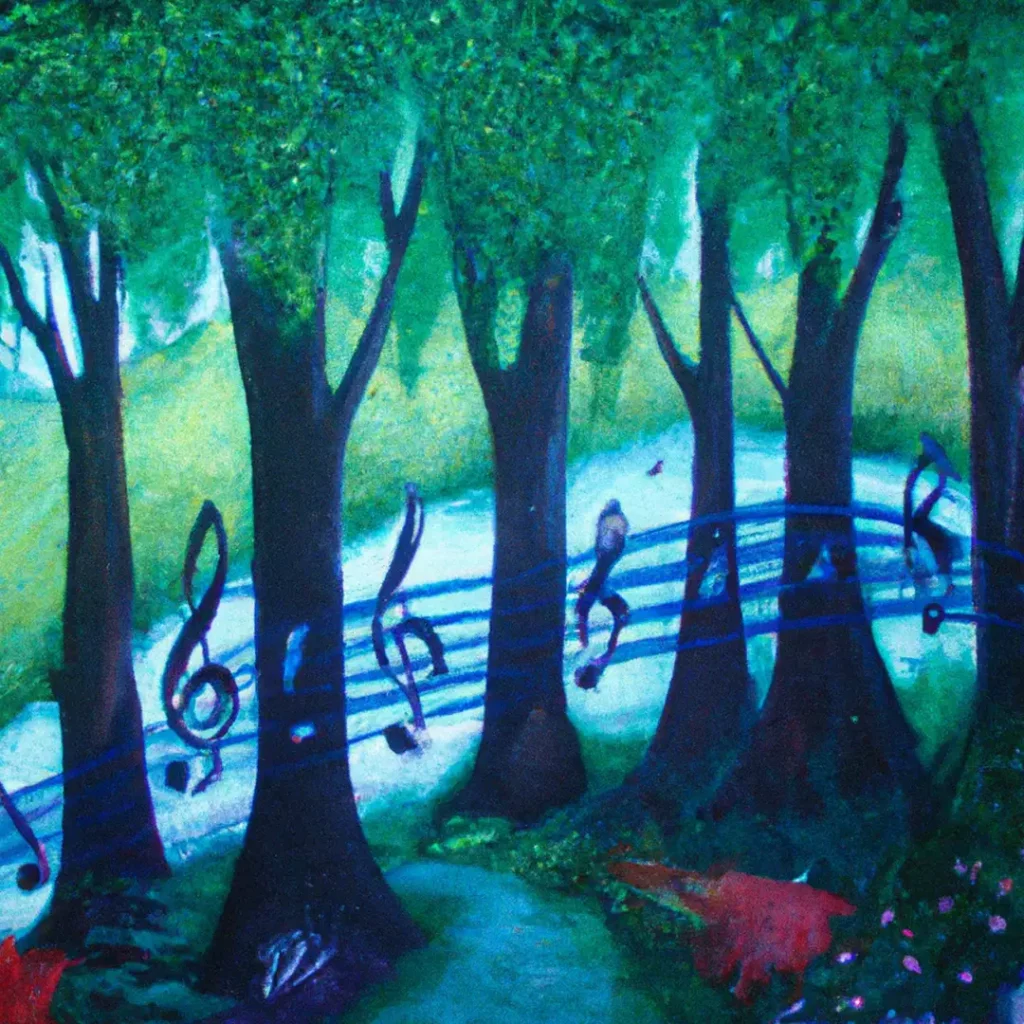
Play a short instrumental excerpt and ask students to record images, emotions, and rhythms they hear. Students turn those notes into a poem that reflects the music’s mood, then share how a word choice echoes the sound. A second track with a different tempo makes an effective comparison and revision prompt.
Students practise: Mood, rhythm, sensory imagery.
5. Magnetic Poetry
Give pairs a limited set of magnetic words or printable word tiles. They arrange the words into a short poem, read it aloud, and rearrange three tiles to change the mood or meaning. Because students work within a word bank, the activity encourages precise choices and collaborative discussion without requiring a blank-page start.
Students practise: Syntax, word choice, collaboration.
6. Blackout Poetry
Give students a disposable printed page from a suitable text. They circle words that suggest an emerging idea, black out the remaining text, and read the surviving words as a poem. Ask students to explain how the original passage gained a new meaning and how the visual design supports their interpretation.
Students practise: Close reading, found poetry, visual composition.
7. Story to Poem
After reading a short story, students identify a turning point, central emotion, or revealing character detail. They rewrite that moment as a brief poem using images and selective dialogue rather than retelling the entire plot. Compare poems to see how different readers interpreted the same narrative.
Students practise: Summarizing, interpretation, imagery.
8. Poetry Jenga
Label Jenga blocks with poetic devices, forms, and quick challenges. Each time a student pulls a block, they explain or demonstrate the named concept—for example, writing a simile or revising a line for alliteration. The tower supplies suspense while the teacher checks understanding through short, low-stakes responses.
Students practise: Poetry vocabulary, retrieval practice, quick writing.
9. Rhyme Time Challenge
Call out a base word and ask teams to collect rhyming words in one minute. Introduce a second round in which students use two of their rhymes in a meaningful couplet. Discuss the difference between perfect and near rhyme and whether the chosen sound supports the poem instead of forcing awkward phrasing.
Students practise: Rhyme, sound patterns, purposeful revision.
10. Metaphor Mingle
Each student writes an original metaphor without explaining it, then shares it with several classmates. Partners interpret the comparison and suggest one way to make the image more precise. Students choose their best metaphor, revise it, and expand it into a poetic line or short stanza.
Students practise: Metaphors, interpretation, feedback.
A FREE CLASSROOM GAME FOR ENGLISH TEACHERS
Make your next English review a Plot Twist!
Bring some unexpected fun to your next lesson. Get a free game of Plot Twist!, the ultimate classroom review game, and discover fresh ideas for teaching English.
Subscribe for English teaching ideas and occasional resource updates, plus your free Plot Twist! game. You can unsubscribe from emails at any time.
11. Pop Song Parody
Choose a familiar, school-appropriate melody or an instrumental backing track. Students write new, original lyrics about a class topic, keeping an eye on rhythm and syllable stress. Pairs test whether the words fit the beat and revise clumsy lines. Use only song materials permitted by your school’s copyright policies.
Students practise: Rhythm, parody, syllable awareness.
12. Slam Poetry
Invite students to write a spoken-word poem on a theme they care about. Model delivery through pacing, pauses, emphasis, and repetition before an optional supportive performance round. Listeners identify a line that stood out and explain why. Offer recording or small-group sharing as alternatives to performing before the class.
Students practise: Voice, performance, audience awareness.
13. Found Poems
Provide suitable newspaper headlines, brochures, or other printed sources. Students select and rearrange phrases into a poem with a clear tone or theme, then explain how context changed the words’ meaning. Have them record the source of any borrowed text, especially if they intend to publish or share the final poem.
Students practise: Found poetry, close reading, context.
14. Poetry Picnic
Take poetry sharing outdoors or create an indoor ‘picnic’ with seating circles. Students bring a poem they wrote or selected, read a favorite passage, and explain one craft choice they noticed. Add a short response card so listeners practise thoughtful interpretation. Food is optional—the focus is sharing and discussing poems.
Students practise: Oral reading, interpretation, community.
15. Simile Stations
Set out objects such as a stone, feather, mirror, and piece of fabric. At each station, pairs write a fresh simile describing the object’s texture, movement, or appearance. After rotating, students choose one comparison to expand into a short poem. Discuss why specific, unexpected comparisons are stronger than clichés.
Students practise: Similes, sensory detail, figurative language.
16. Poetry Pair Share
Have students write an opening stanza, then exchange it with a partner who must continue the poem while respecting its voice and imagery. Partners compare their intentions, revise transitions, and decide on a shared title. The challenge is to make the poem feel coherent even though two writers shaped it.
Students practise: Collaboration, tone, continuity.
17. Alphabet Poetry
Challenge students to make each line of a poem begin with the next letter of the alphabet. They choose a theme first, brainstorm troublesome letters, and write toward a consistent image or narrative. For a shorter warm-up, try an A–J poem before attempting all 26 letters.
Students practise: Structure, vocabulary, coherence.
18. Poetry Pictionary
Students read a short poem and draw an image representing its mood, central metaphor, or theme without using the poem’s title. Classmates study the drawing, make an interpretation, and cite the words that support it. Reveal the poem afterward and compare how visual and verbal details communicate meaning.
Students practise: Imagery, visual literacy, interpretation.
19. Poetic Potluck
Invite students to connect a poem to a flavor, recipe, or imagined menu. They explain which sensory words or emotional associations inspired the pairing and write a few lines using taste and smell imagery. To avoid food costs or allergy issues, use paper ‘menus’ or illustrated dishes instead of a real potluck.
Students practise: Sensory language, metaphor, interpretation.
20. Emoji Emotion
Display three to five emojis and ask students to transform the symbols into a short poem with a clear emotional shift. Compare different interpretations of the same sequence, then challenge students to replace vague emotion words with concrete images. The activity works well digitally or on paper.
Students practise: Tone, symbolism, imagery.
21. Color Poems
Assign or let students choose a color. They list sounds, objects, memories, and emotions associated with it, then build a poem without naming the color until the final line. Readers guess the color and explain which images helped them decide.
Students practise: Symbolism, association, descriptive writing.
22. Roll-a-Poem
Label dice faces with poetic devices, settings, emotions, or forms. Students roll a combination and draft a poem that uses the selected elements intentionally. A second roll can prompt revision rather than another entire poem. Ask writers to identify the device they used and the effect it creates.
Students practise: Poetic devices, creative constraints, revision.
23. Tactile Poetry
Offer safe textured objects or descriptive photographs. Students select precise touch-related language—rough, slick, ridged, cool—and use those observations in a few lines of poetry. Invite them to connect a physical texture to an emotion or memory. Students who prefer not to touch objects can work from visual prompts.
Students practise: Sensory imagery, descriptive vocabulary.
24. Shadow Poems
Show silhouettes of people, animals, or ordinary objects. Students imagine what happened just before or after the pictured moment and write a poem that hints at the unseen story. Partners compare interpretations and identify which visual clues shaped the imagery.
Students practise: Inference, perspective, imagery.
25. Reverse Poems
Students create a poem that can be read from top to bottom and from bottom to top, ideally with a meaningful change in tone or interpretation. Begin with a short, teacher-provided example; then let pairs test the effect of reversing their own lines. The challenge develops attention to sequence and implication.
Students practise: Structure, perspective, revision.
26. Mystery Bag
Place ordinary objects in opaque bags. Students describe an object by touch alone, using specific sensory words before making a guess. Once it is revealed, they turn the strongest observations into a poem. Allow alternatives for students with sensory sensitivities or accessibility needs.
Students practise: Sensory observation, vocabulary, metaphor.
27. Two Voice Poems
Pairs write poems with alternating or overlapping lines for two speakers. Choose contrasting perspectives—for example, a river and a bridge—and decide where the voices agree or disagree. Perform with alternating readers, then reflect on how the structure creates tension, connection, or harmony.
Students practise: Point of view, dialogue, performance.
28. Nature Walk Poems
Lead a short walk around the school or provide nature photographs when going outside is not possible. Students record small details rather than general labels: a specific sound, movement, or change in light. Back in class, they turn the observations into a poem and revise for sharper imagery.
Students practise: Observation, setting, sensory description.
29. Golden Shovel
Select a short line from a poem that students have permission to reuse, ideally a public-domain text. Write a new poem in which the successive words of that line become the final words of successive lines. Compare the new work with the original and credit the source.
Students practise: Form, close reading, intertextuality.
30. Historical Poems
After researching a historical event or figure, students choose one carefully supported perspective and write a poem that distinguishes documented facts from imagined feelings. Pair the poem with a short note identifying the historical evidence used. This connects creative expression to responsible research.
Students practise: Historical perspective, research, voice.
31. Fairy Tale Poems
Students select a familiar fairy tale and retell one moment as a poem from a new perspective: the overlooked character, an object, or the supposed villain. Limit the scene to a few telling images, then discuss how a change in narrator alters the reader’s sympathies.
Students practise: Narrative perspective, voice, adaptation.
32. Shape Poems
Invite students to choose a concrete subject such as a leaf, spiral, or city skyline and arrange their original words into a matching shape. Readers consider both the poem’s language and its visual form. Offer a standard text layout as an accessible alternative to complicated spatial formatting.
Students practise: Concrete poetry, visual design, word placement.
33. Karaoke Poetry
Students select a poem and perform it over a simple instrumental track or karaoke-style beat. They rehearse how pauses, emphasis, and tempo change meaning, then compare performances with and without music. Keep background audio quiet enough for every word to remain clear.
Students practise: Rhythm, oral fluency, interpretation.
34. Poetic Debate
Assign small groups opposing viewpoints on a thoughtful, age-appropriate question. Teams compose brief poetic arguments using repetition, imagery, and contrast, then perform them in turns. Students evaluate the persuasiveness of the language rather than rewarding volume or speed.
Students practise: Rhetoric, viewpoint, poetic devices.
35. Soundtrack Poetry
Play short instrumental excerpts with contrasting moods. Students note the images and emotions each sound suggests, then create a poem to match one track. During revision, they choose verbs and line breaks that echo changes in the music. This activity emphasizes the relationship between sound and literary mood.
Students practise: Mood, sound, word choice.
36. Weather Poems
Give groups a weather condition—fog, thunder, heat, or snowfall—and have them brainstorm associated sounds, textures, and emotions. Students write a poem in which the weather reflects or contrasts with a speaker’s mood. Share two interpretations of the same weather to explore tone.
Students practise: Pathetic fallacy, mood, imagery.
37. Book Spine Poetry
Invite students to browse a classroom library and stack books so their titles form an original poem. They photograph or transcribe the spine sequence, then explain why the order matters. It is a quick way to explore juxtaposition and how arrangement changes meaning.
Students practise: Found poetry, juxtaposition, sequence.
38. Poetry Mixtape
Students pair two or three poems with songs that share a theme, mood, image, or narrative conflict. They assemble a short ‘mixtape’ list and explain each connection with evidence from the poem and a description of the music. The goal is interpretation rather than simply choosing favorite songs.
Students practise: Theme, comparison, evidence-based discussion.
39. Poetry Puzzle
Cut a teacher-created poem into individual lines and shuffle them. Teams rebuild a version that makes sense, explaining choices about image progression, rhyme, or shift in tone. Reveal the original arrangement afterward and discuss how different line orders change the reading.
Students practise: Structure, close reading, sequencing.
40. Dialogue Poems
Students write a poem as a conversation between two speakers, such as a clock and a student or fear and courage. Their lines should reveal different attitudes without needing explanatory narration. Pairs read the poem aloud and revise the dialogue so each voice sounds distinct.
Students practise: Characterization, voice, perspective.
41. Riddle Poems
Writers describe an object or idea indirectly through carefully chosen clues, comparisons, and sounds. Classmates try to solve the riddle and identify which image gave it away. In revision, poets balance mystery with enough detail for a thoughtful reader to infer the answer.
Students practise: Inference, metaphor, precision.
42. Interactive Poem
As a class, choose a setting and central image, then build a poem one line at a time. Pause to ask whether each contribution fits the developing tone and theme. Students vote on or discuss revisions to create a coherent final version rather than a disconnected string of ideas.
Students practise: Collaborative composition, coherence, revision.
43. Two-Minute Topics
Give students a surprising prompt such as ‘a forgotten umbrella’ and two minutes to draft a few poetic lines without editing. Partners identify one promising image, then writers spend another two minutes developing it. The short timer makes beginning less intimidating while the second round emphasizes craft.
Students practise: Creative fluency, imagery, revision.
44. Photo Prompts
Present a distinctive photograph and give students time to notice specific details before interpreting it. They write a poem from the photographer’s, subject’s, or an imagined observer’s perspective. Discuss how the same visual prompt produces different themes and moods.
Students practise: Visual literacy, point of view, imagery.
45. Soundscapes
Play a short soundscape—rainfall, a train station, a crowd, or nighttime insects—without showing the source. Students list sounds and implied settings, then craft a poem that communicates atmosphere through precise verbs and images. Reveal the audio context and compare how their interpretations differed.
Students practise: Auditory imagery, mood, inference.
Making poetry games work in your classroom
The strongest poetry activities have a clear learning target. Before choosing a game, decide whether students are practising imagery, sound, figurative language, interpretation, or performance. Explain the skill briefly, play the game, and finish with a quick reflection or revision task so students connect the fun to what they learned.
Five practical teaching tips
- Start small: Model one example together before asking students to create poems independently.
- Offer choices: Let students share aloud, with a partner, or on paper when public performance feels intimidating.
- Support different writers: Use word banks, poetry frames, sensory objects, and pair work to make activities accessible.
- Protect creative risk-taking: Reward thoughtful revision, clear imagery, and original ideas rather than speed alone.
- Close with evidence of learning: Ask students to underline a powerful word choice, explain a metaphor, or discuss how the game changed their interpretation of a poem.
Frequently asked questions about classroom poetry games
What are the best poetry games for middle and high school students?
Metaphor Mingle, Slam Poetry, Blackout Poetry, Poetry Jenga, Two Voice Poems, and Golden Shovel are versatile options for older learners. Match the activity to the students’ skills and the goals of your current unit.
Can poetry games work with reluctant writers?
Yes. Short, low-stakes challenges provide a starting point without requiring a polished poem immediately. Try a collaborative activity or one that begins with an image, song, or everyday object.
How long should a poetry game take?
Quick activities such as Two-Minute Topics can fit into a 5–10 minute warm-up. Projects like Blackout Poetry, Slam Poetry, or Book Spine Poetry may require most of a class period or several sessions.
Do students need to know poetry terms first?
Not always. Students can notice patterns, imagery, sound, and surprising comparisons during the activity. Teach relevant vocabulary before or after the game, depending on the goal.
Explore the full collection: Visit the Poetry category for these 45 lessons and future poetry teaching resources. For more complete teaching sequences, explore the Grade 9 English course. The full lessons linked above provide steps for implementing each game.