
Why Clear School Hallways During Class Matter for Safety and Learning
A quiet hallway during class time is not a sign that students have been denied access to what they need. Ideally, it means most students are in their scheduled learning spaces, routine movements have a clear purpose, and adults can recognize when someone needs assistance. Keeping school hallways clear during class is about predictable movement and effective supervision—not an unrealistic rule that nobody may leave.
For school leaders, teachers, and support staff, the relevant question is: How do we distinguish ordinary, authorized student movement from wandering or gaps in supervision without making the school feel restrictive? The answer combines expectations, adult presence, communication, and a workable hall pass routine. For the classroom-level foundation, begin with our research-informed guide to hall pass systems and school safety.
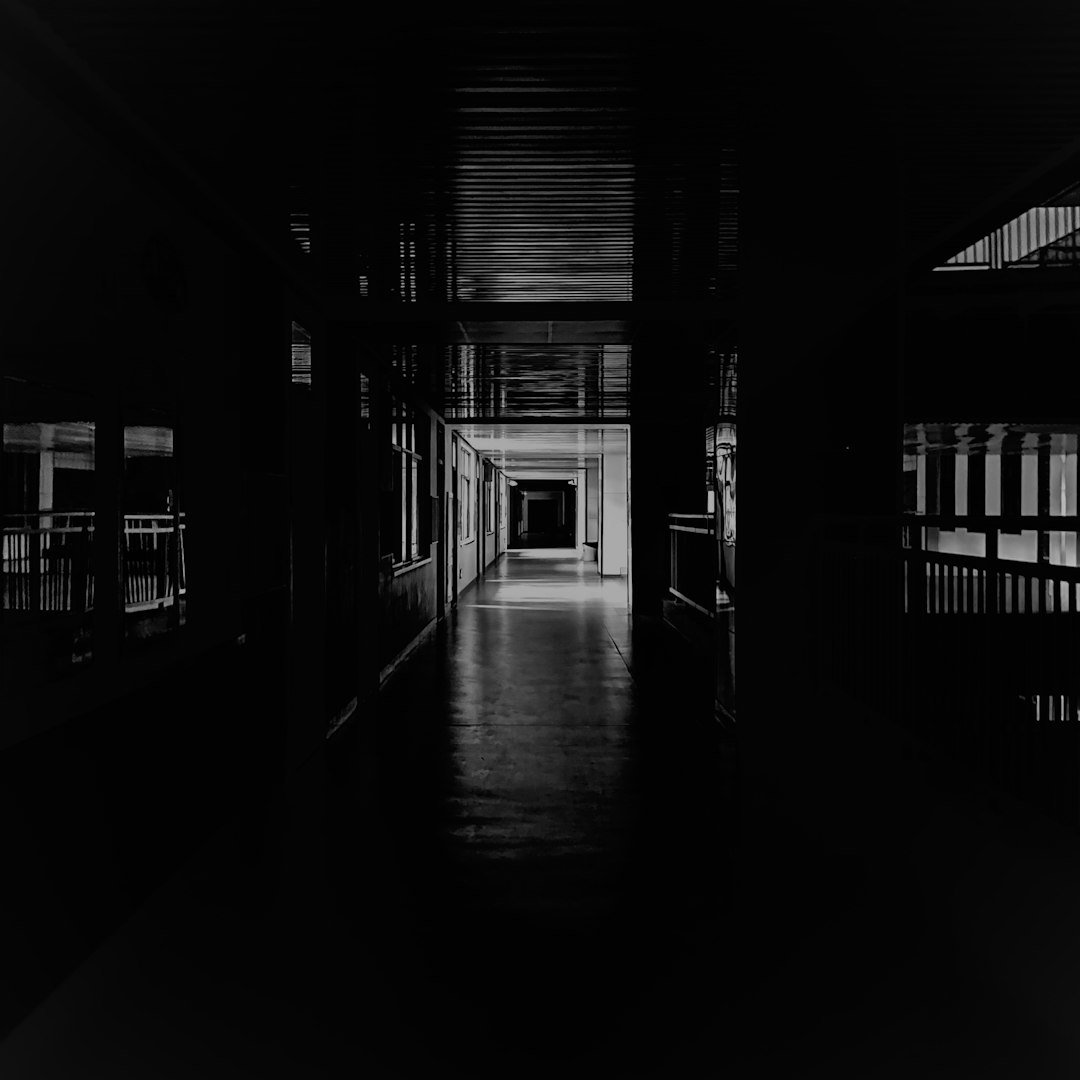
Why Hallways Matter for Student Safety
Corridors, stairwells, restrooms, and common areas are different from classrooms. Students may be moving between adults and destinations, and the usual class structure is less visible. In the U.S. National Center for Education Statistics’ 2021–22 school-year survey, 37.5% of students who reported being bullied identified a hallway or stairwell as one place it happened. The question permitted multiple reported locations, and the figure does not describe the risk for any randomly selected student. The NCES location table provides the underlying data.
The finding highlights why hallways deserve thoughtful supervision. It does not show that locking down corridors or installing a digital pass will stop bullying. A student experiencing harassment needs responsive adults and a school culture where seeking help is safe.
What Research Says About Active Hallway Supervision
The Vanderbilt IRIS Center describes active supervision as moving, scanning, and interacting with students rather than merely standing at one end of a corridor. Staff can greet students, notice emerging problems, reinforce expected behavior, and offer help before small issues escalate.
A high school intervention study reported decreases in tardiness when active supervision was implemented during school periods. A separate high school case study associated active supervision combined with precorrection and explicit timing with improvements in behavior and transitions. These are context-specific interventions, not proof that every hallway policy will produce the same outcomes.
Schoolwide Positive Behavioral Interventions and Supports also emphasizes teaching clear expectations in every school setting—not only classrooms. The Center on PBIS encourages educators to explicitly teach routines, reinforce them, and use local data to make fair adjustments. A school that treats hallways as shared learning environments rather than unowned spaces is working with that approach.
The Difference Between a Clear Hallway and a Controlled Hallway
A clear hallway during instruction means movement is purposeful and supervised. A controlled hallway can become problematic if it prevents students from attending to health needs, receiving counseling, or reaching school supports. Administrators should not measure success solely by the lowest possible number of students in corridors.
- Purposeful movement: Students travel to the restroom, library, office, nurse, or another approved destination without needless delays.
- Visible expectations: Students understand where to go, whether to carry a pass, and how to return.
- Staff coverage: Adults know who supervises corridors during transitions and during longer lesson blocks.
- Reasonable capacity: Nonurgent departures can be staggered when needed; urgent health and accessibility requests receive appropriate access.
- Positive contact: Staff greet and assist students instead of assuming everyone outside class is misbehaving.
- Reviewable procedures: Teachers can identify when a student hasn’t returned and follow the established support protocol.
Five Reasons to Reduce Unnecessary Hallway Traffic During Lessons
1. Adults Can Better Notice When Someone Needs Help
When most students follow an agreed movement routine, a staff member who encounters a distressed or disoriented student can make a more informed inquiry. A student might be looking for a new classroom, awaiting help, or avoiding an uncomfortable situation. The priority is a supportive response, not immediate discipline.
2. Instruction Is Less Frequently Interrupted
A stream of unstructured pass requests can interrupt instructions, discussions, demonstrations, and teacher feedback. A known sign-out procedure lets a student follow the agreed steps with less teacher talk. This is closely related to the predictable classroom flow described in our classroom routines and transitions guide.
3. Students Know What to Expect
Unpredictable rules often create arguments: “Why could they go and I can’t?” A consistent routine states when to request a pass, what to do when a destination is temporarily busy, and how to ask for immediate access when the situation cannot wait. Consistency is not the same as treating every student’s needs as identical.
4. Staff Can Coordinate Without Guesswork
For a teacher, a basic record of who is out and expected destination is useful. For a school, hallway supervision, office referrals, and coordinated support require broader procedures that an individual classroom tool cannot supply. Schools should specify who contacts whom when a student does not arrive at an expected location.
5. Student Privacy and Dignity Are Easier to Protect
Poorly designed policies often push sensitive conversations into public spaces. A neutral destination list and discreet alternatives can help. A growing research literature also cautions against turning restroom safety efforts into broad student surveillance. A 2025 study of school bathroom safety and privacy describes differences between administrator, teacher, and student views about monitoring technologies and their effects on privacy.
Hallway Routines That Work During Class and Passing Periods
Teach a departure-and-return routine
Keep the steps brief: request or register the pass, confirm the destination, leave by the expected route, and check back in when returning. Post the routine where students will use it. Rehearse it just as you would any other procedure; our classroom procedures checklist offers a model for teaching and reviewing everyday expectations.
Define supervision zones and handoffs
Between classes, agree which adults stand by doors or supervise known busy areas. During instructional time, decide who responds if a teacher calls for assistance with a student who has not returned. Do not rely on a single camera, pass report, or security staff member to replace relational supervision.
Create a predictable nonurgent queue
One-at-a-time access may be useful when a restroom or water fountain is crowded. However, it is a classroom routine—not a medical decision rule. Procedures must allow immediate access where necessary and accommodate students whose needs do not fit a standard time or queue.
Keep corridor expectations positive and specific
Instead of “No loitering,” teach “Walk directly to your destination and return promptly.” Instead of “Stop talking,” teach “Use a quiet voice near classrooms while instruction is taking place.” Adults should model those expectations and recognize when students do them well.
Use targeted feedback, not public shaming
If a student is regularly away during a particular task, talk privately. It might be avoidance, difficulty accessing the restroom between classes, peer conflict, or something unrelated to behavior. Use patterns as conversation starters, not automatic disciplinary evidence.
What HallPass Data Can—and Cannot—Tell You
A sign-out log can show who registered a departure, when that happened, and whether a return was marked. It cannot independently prove that a student reached the indicated destination, was supervised, or was safe. Nor should a school interpret long pass duration as proof of misconduct.
For that reason, evaluation should ask both operational and student-centered questions: Are teachers spending less time searching for a physical pass? Can students access necessary services without embarrassment? Are corridors being actively supervised? Are students with accommodations able to use the routine? Is student information protected?
A Practical Tool for an Individual Classroom: HallPulse
HallPulse Classroom Edition provides a digital departure-and-return workflow for one teacher. Students can use the teacher station or a paired secondary kiosk; the teacher can see which students are marked out and review classroom pass activity. An optional queue helps manage ordinary requests without creating a separate verbal negotiation every time.
That supports one classroom’s consistency. It does not give a school-wide view of every hallway or claim to prevent bullying. The HallPulse setup overview explains the classroom workflow, and school administrators can inquire about tailored broader deployments separately.
A One-Week School Hallway Improvement Plan
- Monday — Observe: Walk corridors during two passing periods and one instructional block. Identify places where supervision and expectations are unclear.
- Tuesday — Clarify: Write three positively stated hallway expectations, including how students request help.
- Wednesday — Practice: Ask teachers to model a simple hall pass routine and explain privacy and urgent-access exceptions.
- Thursday — Coordinate: Confirm duty assignments and a student follow-up procedure when a return is overdue.
- Friday — Reflect: Check staff observations and anonymous student feedback. Revise only the procedures that are actually causing friction.
Schools should compare their current experience with their own baseline; do not promise a percentage reduction in incidents based on results from a different campus. Focus on clear supervision responsibilities, predictable access, and trusted relationships.
Frequently Asked Questions About Clear School Hallways
Should school hallways be completely empty during class?
No. Students legitimately use hallways for restrooms, appointments, learning support, and scheduled activities. A good policy reduces aimless or unnecessary movement while ensuring appropriate access.
Do hall passes stop students from wandering?
They can clarify expectations and create a sign-out record, but no paper or digital pass independently ensures a student follows the stated route. Staff supervision and responsive school practices remain essential.
Is a one-student-out-at-a-time rule always safe?
No universal rule fits every school or student. Any capacity rule must be flexible enough for urgent needs, health conditions, accommodations, and individual plans.
Where should hallway supervision start?
Begin with the locations and times where students or staff report confusion or safety concerns. Clarify adult coverage, teach the expectations, and review what actually changes.
Research and Useful Resources
- NCES: Bullying locations for ages 12–18 — descriptive statistics from 2021–22.
- Vanderbilt IRIS Center: Active supervision — practical elements of supervision.
- Johnson-Gros et al.: Active supervision and tardiness — school-based study.
- Center on PBIS: Schoolwide expectations — principles for teaching and reviewing routines.
- School Bathrooms: Perspectives on Safety, Surveillance, and Privacy (2025) — competing views on privacy and safety technology.