
Why Teachers Must Encourage Students to Prioritize Lifelong Learning
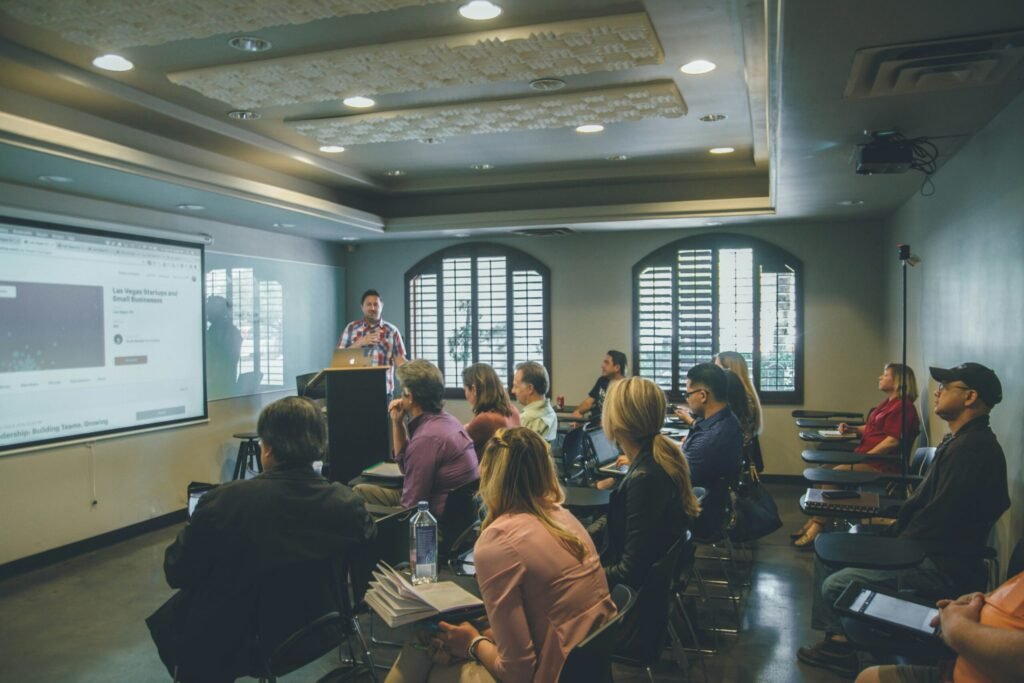
Education should prepare students for more than exams and academic milestones. It should help them develop the curiosity, adaptability, and confidence needed to keep learning throughout their lives.
As industries change and new technologies reshape the workplace, students need the ability to acquire knowledge beyond what they learn in school. According to the World Economic Forum, technological advancements in the field of artificial intelligence, robotics, automation, and more are expected to be transformative. This will change the job roles and skills required to excel in professional life.
Teachers play an important role in developing this mindset by showing students that learning continues long after graduation.
Encouraging lifelong learning also helps students become independent thinkers who can identify their strengths, address knowledge gaps, and explore new interests. When teachers make curiosity a regular part of classroom learning, students begin to see education as an ongoing process.
Develop Curiosity Beyond the Classroom
Curiosity encourages students to ask questions, investigate unfamiliar subjects, and look for explanations beyond their textbooks. Teachers can nurture this habit by creating opportunities for exploration instead of relying entirely on lectures and memorization. Open-ended questions, classroom discussions, research activities, and hands-on projects let students examine ideas from different perspectives.
Educators can encourage student curiosity through intentionally structured, inquiry-based learning experiences. Teachers can strengthen engagement by connecting lessons to students’ personal experiences, offering choices in how they present their findings.
For example, a science teacher might ask students to investigate how renewable energy affects their local community. An English teacher could encourage students to compare different interpretations of a literary work. These activities help students recognize that knowledge often leads to further questions.
When students become comfortable exploring topics independently, they are more likely to continue learning outside school. This curiosity can influence their hobbies, career decisions, and personal development throughout adulthood.
How can teachers measure curiosity and interest in classroom learning?
Teachers can observe how often students ask relevant questions, explore additional resources, and connect different topics. Short reflection activities can reveal which subjects capture their attention and what they want to understand further. Teachers can also use student conferences and interest surveys to track engagement over time without relying solely on test scores.
Connect Classroom Learning With Real-World Goals
Students engage more deeply with academic subjects when they understand how the knowledge applies to everyday life. Teachers can strengthen this connection through practical examples, career discussions, and projects that reflect real-world situations.
Career exploration can also introduce students to the different ways people continue developing their expertise. For instance, a classroom discussion about healthcare careers could explain how registered nurses pursue advanced qualifications through continuous learning.
A nurse with a Bachelor of Science in Nursing (BSN) can advance their career with a Master of Science in Nursing (MSN). Wilkes University explains that students can pursue multiple nurse practitioner fields with an MSN. They can become a psychiatric, family, or adult-gerontology nurse practitioner.
A BSN to MSN degree expands students’ knowledge and prepares them for additional professional responsibilities. These examples show students that learning can support career progression long after they enter the workforce.
Teachers do not need to turn every lesson into a career-planning exercise. Instead, they can incorporate relevant examples into existing subjects and encourage students to consider how their interests might develop over time.
How can teachers accommodate different career interests when connecting lessons to real-world goals?
Teachers can offer varied examples, assignments, and project choices that reflect different industries and professional interests. For instance, a mathematics assignment might involve budgeting, engineering calculations, or business forecasting. Letting students choose relevant applications gives them room to explore their interests while still working toward the same learning objectives.
Teach Students How to Learn Independently
Lifelong learning depends on the ability to find reliable information, evaluate evidence, and understand unfamiliar concepts without constant supervision. Teachers can help students develop these skills by gradually giving them more responsibility for their learning.
Research assignments, independent reading, student-led presentations, and inquiry-based projects provide useful opportunities to practice. Teachers can guide students to identify credible sources, organize information, and check whether their conclusions are supported by evidence. These activities also help students recognize when they need additional information or a different approach.
Pittsburgh-area school districts are working to strengthen students’ news literacy skills through the News Literacy Project’s national fellowship program. The initiative provides participating districts with $30,000 over three years. It aims to develop resources that help students evaluate information, identify credible sources, recognize misinformation, detect AI-generated images, and more.
“Information has never been more accessible than it is now, but being able to access information and being able to know if what you’re reading is credible are not the same thing,” said Lisa McKinsey, an eighth-grade U.S. history teacher at Butler.
Create a Classroom Culture That Values Questions
Shame is a natural part of the classroom, as both teachers and students may feel embarrassed to ask or address certain questions. Educators may feel ashamed after losing their temper, struggling to engage students, or feeling unprepared to handle disruptive behavior. Left unaddressed, these emotions can contribute to professional isolation and burnout.
Students, on the other hand, may hesitate to ask questions if they worry about giving incorrect answers or appearing unprepared. A supportive classroom environment can reduce this hesitation and help everyone see uncertainty as a natural part of learning.
Teachers can establish this culture by welcoming thoughtful questions, discussing mistakes without embarrassment, and encouraging students to explain their reasoning. When an answer is incorrect, the focus should remain on understanding the misconception and finding a better approach.
Group discussions can also help students learn from one another. Different perspectives encourage them to reconsider assumptions, explain their ideas clearly, and listen to alternative viewpoints. Teachers can reinforce these habits by asking students to support their opinions with evidence and remain open to new information.
Help Students Develop Adaptability and Resilience
Students will encounter situations in which their existing knowledge is insufficient. New academic requirements, changing technologies, and unexpected personal circumstances can all require them to learn unfamiliar skills. Teachers can prepare students for these experiences by encouraging flexibility and persistence.
Social and emotional skills influence students’ academic performance, well-being, relationships, and future career aspirations. A worldwide survey highlights the importance of skills such as persistence, self-control, responsibility, curiosity, creativity, empathy, and stress management. The findings show that students with higher optimism, trust, and emotional regulation generally report greater life satisfaction and healthier habits.
One effective approach is to give students assignments that require experimentation and revision. Rather than expecting every first attempt to succeed, teachers can ask students to review feedback, identify weaknesses, and improve their work. This process shows them that progress often comes through repeated effort.
Teachers can also introduce problems with multiple possible solutions. Such activities encourage students to evaluate alternatives and adjust their thinking when new information becomes available.
How can teachers keep students motivated after repeated academic setbacks?
Teachers can help students identify specific obstacles instead of treating poor results as evidence of limited ability. Breaking larger assignments into smaller milestones makes improvement easier to track. Regular feedback, opportunities to revise work, and discussions about effective study habits can help students recognize progress and develop realistic strategies for overcoming difficulties.
Key Facts and Statistics on Lifelong Learning in Education
| Future of work | AI, robotics, and automation are expected to transform job roles and skill requirements. |
| Voorhees Middle School | Inquiry-based activities helped sixth-grade students develop research questions and explore their interests. |
| BSN to MSN pathway | Nurses can pursue advanced nursing qualifications to expand their knowledge and career options. |
| $30,000 over three years | Funding provided to participating school districts through the News Literacy Project’s fellowship program. |
| News literacy skills | Students learn to evaluate credible sources, identify misinformation, and recognize AI-generated images. |
| Social and emotional skills | Persistence, curiosity, self-control, creativity, and stress management support student development. |
| Benefits of resilience | Feedback, revision, and repeated practice help students improve their work and adapt to challenges. |
Teachers help shape how students approach knowledge, challenges, and personal growth. Encouraging lifelong learning prepares students to remain curious, evaluate information, adapt to change, and pursue new opportunities throughout their lives. These abilities support academic progress while helping students make informed decisions about their personal and professional futures.
Building this mindset requires consistent classroom practices rather than a single lesson or activity. Teachers can encourage questions, connect subjects with real-world experiences, model continuous learning, and give students opportunities to direct their own progress. When students understand that education continues beyond school, they are better prepared to meet new challenges and keep developing their skills throughout adulthood.