
How to Find the Right Online Language Tutor for Your Child
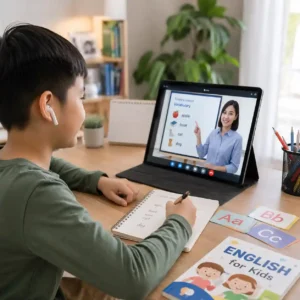
If you are searching for an online language tutor for kids, you are probably looking for more than just a website with vocabulary drills or game-based practice. You want a learning experience that helps your child build confidence, enjoy the process, and actually make progress over time. For many families, that means finding a program with real teachers, flexible scheduling, and lessons that match a child’s age and ability level. A service like language online can be one option to consider when you want personalized support instead of a one-size-fits-all approach.
The good news is that online language learning has become much more accessible for families. Children can now connect with tutors from home, practice speaking in a low-pressure setting, and learn at a pace that works for them. The challenge, however, is choosing the right tutor. With so many options available, it can be hard to know what matters most.
If you want to choose the best online language tutor for your child, here are the most important things to look for.
1. Start With Your Child’s Needs
Before you compare platforms or tutor profiles, take a few minutes to think about why you want tutoring in the first place. The best tutor for one child may not be the best fit for another.
Ask yourself a few simple questions:
- Is your child learning a language for school support?
- Are you hoping to build conversational fluency?
- Does your child need help with reading, writing, listening, or speaking?
- Is the goal enrichment, travel preparation, or long-term bilingual development?
- Does your child enjoy structured lessons, or do they respond better to games and conversation?
When parents are clear about the goal, it becomes much easier to choose a tutor who can meet that need. A child who needs support with school French, for example, may need a different style of tutor than a child learning English as an additional language.
2. Look for Experience Teaching Children
Not every strong language speaker is a strong teacher, and not every strong teacher is experienced with children. Teaching kids online requires patience, flexibility, and the ability to keep lessons engaging.
A good online language tutor for kids should know how to:
- explain ideas in simple, age-appropriate ways
- keep the child actively involved
- use visuals, repetition, and interactive activities
- respond positively when a child is shy or unsure
- balance correction with encouragement
Children often need more than content knowledge. They need a teacher who knows how to build trust and keep them motivated. This matters even more in an online setting, where attention can drift quickly if the lesson is not interactive.
3. Choose a Tutor Who Matches Your Child’s Personality
One of the biggest reasons tutoring works is that it can be personalized. That includes personality fit.
Some children thrive with energetic, high-interaction tutors. Others feel more comfortable with calm, patient teachers who move at a slower pace. If your child is hesitant about speaking a new language, a warm and encouraging tutor can make a major difference.
Many parents focus only on qualifications, but connection matters too. If a child likes the tutor and feels comfortable, they are more likely to participate, take risks, and stick with lessons over time.
This is why trial lessons can be so valuable. They let you see whether the tutor’s communication style works for your child before committing long term.
4. Prioritize Speaking Practice
Many children can recognize vocabulary or complete digital exercises, but they often struggle when it comes time to speak. That is why live tutoring can be so effective. A tutor can prompt conversation, model pronunciation, ask follow-up questions, and help children use the language in real time.
When evaluating a tutor, ask:
- Will my child have regular chances to speak?
- Does the lesson include conversation, not just worksheets or drills?
- How does the tutor help with pronunciation?
- Will the tutor gently correct mistakes and explain them?
Speaking practice is one of the biggest advantages of tutoring over independent language apps. Children need guided opportunities to hear the language and use it meaningfully.
5. Check Whether Lessons Are Personalized
A strong tutoring program should not treat every child the same. Children learn at different speeds, and they come with different strengths, challenges, and interests.
Look for lessons that can be adjusted based on:
- age
- current skill level
- school curriculum needs
- interests and hobbies
- attention span
- learning pace
For example, a tutor might use pictures, short stories, songs, or conversation prompts depending on the child’s age and confidence level. Personalization helps lessons feel more relevant, which makes children more likely to stay engaged.
6. Consider Scheduling Flexibility
Family schedules are busy, and one of the main benefits of online tutoring is convenience. Still, convenience only helps if the program actually fits your routine.
Before signing up, consider:
- what times tutors are available
- whether you can choose lesson frequency
- how easy it is to reschedule
- whether missed lessons can be made up
- whether the platform works well on your home devices
Even a great tutor may not be practical if the available time slots do not align with your child’s schedule. Look for a program that makes it easy to build lessons into family life consistently.
7. Look for Progress Monitoring
Parents do not need constant reports, but they do need some sense of how things are going. A quality tutor or tutoring platform should make progress visible.
That might include:
- notes after lessons
- clear learning goals
- feedback on strengths and next steps
- recommendations for practice between lessons
- visible improvement in speaking confidence or comprehension
Progress monitoring matters because it helps parents know whether tutoring is working. It also helps children feel proud of their growth.
8. Think Beyond Worksheets and Flashcards
Worksheets and vocabulary review can be useful, but children usually learn best when lessons feel active and meaningful. The strongest tutors use a mix of strategies to keep learners involved.
That may include:
- conversation practice
- visual supports
- role-play
- reading short passages
- listening activities
- games
- pronunciation practice
- interest-based topics
Engagement is not just a bonus. It is part of effective teaching. When children enjoy a lesson, they are more likely to remember what they learn and come back ready to participate again.
9. Compare Cost With Value
Price matters, but it should not be the only factor. A lower-cost option is not always the better choice if the lessons are generic or the tutor is not a good fit.
Instead of asking only, “How much does it cost?” ask:
- What does my child actually get from each lesson?
- Is the instruction one-to-one or group-based?
- Is the lesson personalized?
- Does the tutor have experience with children?
- Will this make learning easier and more effective for my child?
A more personalized service may cost more than an app, but it may also deliver better results, especially if your child needs live feedback and speaking practice.
10. Use a Trial Lesson Wisely
If a platform offers a first lesson or trial session, use it as a chance to observe. Watch how the tutor interacts with your child. Notice whether your child seems comfortable, attentive, and willing to respond.
After the lesson, ask yourself:
- Did my child seem engaged?
- Was the tutor encouraging and clear?
- Did the lesson feel age-appropriate?
- Was there a balance between structure and flexibility?
- Would my child be happy to work with this tutor again?
Sometimes parents get their answer very quickly. If a child finishes the session smiling and talking about what they learned, that is a strong sign.
Final Thoughts
Finding the right online language tutor for kids is really about finding the right fit. The best tutor is not simply the one with the flashiest platform or the longest list of features. It is the one who helps your child feel comfortable, interested, and capable of learning.
When you focus on teaching experience, speaking opportunities, personalization, flexibility, and child-friendly instruction, you give your family a much better chance of choosing a tutor who will make language learning successful and enjoyable.
If you are ready to explore options, language online is worth a look as part of your search. The right tutor can do more than teach vocabulary or grammar. They can help your child build confidence, develop communication skills, and discover that learning a new language can be a positive and rewarding experience.