
11 Marzano Student Engagement Strategies for Any Classroom
You’ve planned a solid lesson, your materials are ready, and then, half the class checks out before you hit the midpoint. Sound familiar? The gap between a well-designed lesson and one that actually holds student attention often comes down to engagement, and few researchers have mapped that gap as thoroughly as Robert Marzano. His Marzano student engagement strategies offer a research-backed framework that gives teachers specific, actionable techniques rather than vague advice about "making learning fun."
Marzano’s work stands out because it treats engagement not as a personality trait some teachers have and others don’t, but as a set of deliberate instructional moves anyone can learn. His strategies address everything from how you pace a lesson to how you respond to student emotions, and they work across grade levels, subjects, and classroom environments. That’s exactly the kind of practical, adaptable approach we focus on here at The Cautiously Optimistic Teacher.
Below, you’ll find 11 of Marzano’s most effective engagement strategies, each broken down with clear explanations and real classroom applications. Whether you’re a first-year teacher building your toolkit or a veteran looking to shake up a stale routine, this list will give you concrete moves you can try as early as your next class period.
1. Use clear learning targets and success criteria
Students disengage when they don’t know what they’re supposed to learn or how they’ll know when they’ve learned it. Marzano’s research consistently identifies clear learning targets as one of the highest-leverage instructional moves a teacher can make, because students who understand the goal of a lesson invest more effort in reaching it. This strategy sits at the core of several Marzano student engagement strategies precisely because it addresses a root cause of disengagement rather than a symptom.
Why it engages students
When students know exactly what they’re working toward, they can monitor their own progress and make deliberate choices about where to direct their energy. That sense of direction replaces confusion with purpose. Marzano frames this as students tracking their own learning, a process that builds both motivation and ownership rather than passive compliance.
Students who can articulate what they’re learning and why are far more likely to stay on task than students who are simply following directions.
Without a clear target, students often do the work without understanding why it matters, which is a fast route to disengagement. A well-framed target gives students a concrete goal to work toward, making their effort feel purposeful rather than arbitrary.
How to implement it
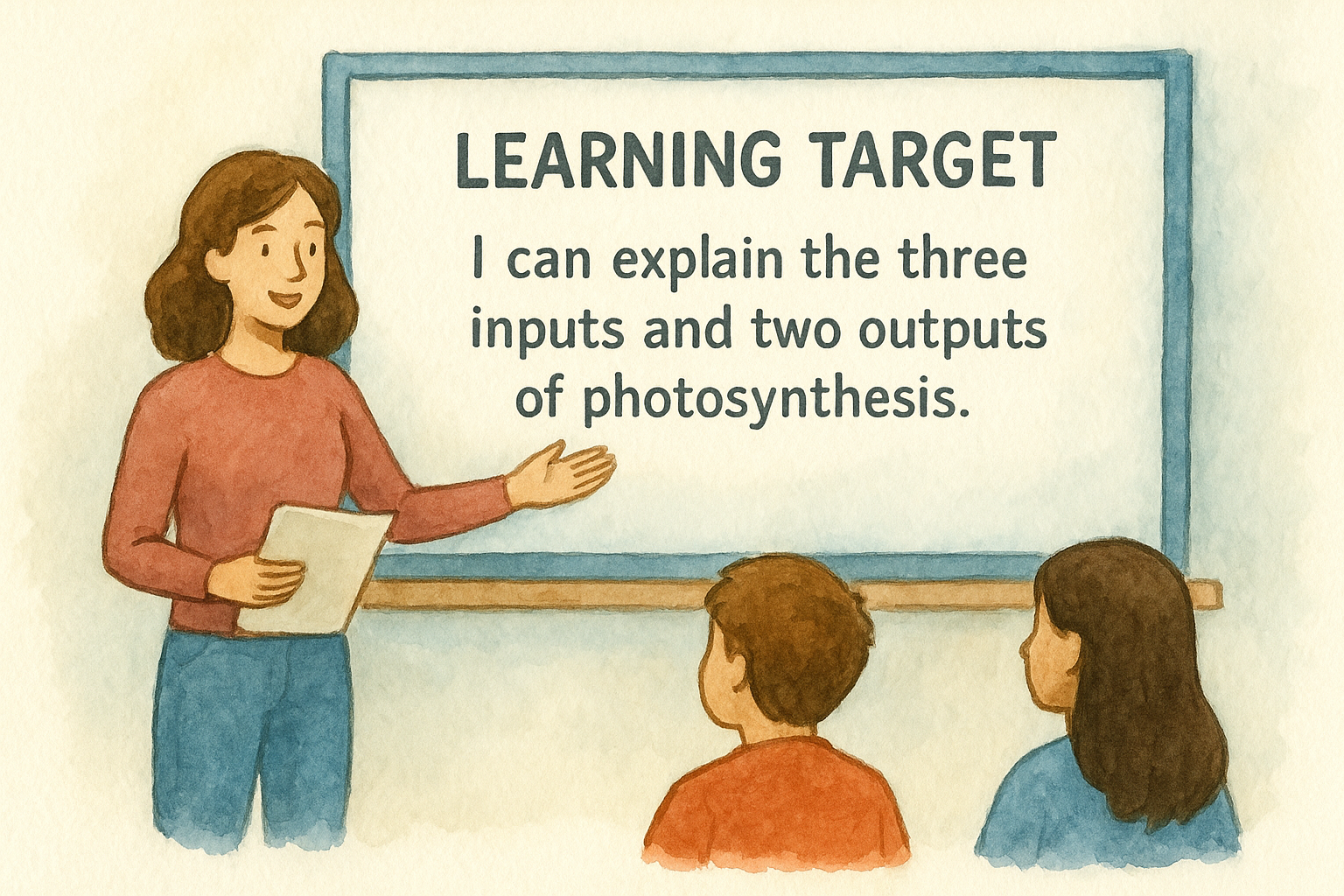
Start each lesson by writing the learning target on the board in student-friendly language, not in curriculum-speak. Pair it with success criteria, which are specific, observable descriptions of what mastery looks like. Instead of writing "Understand photosynthesis," write "I can explain the three inputs and two outputs of photosynthesis in my own words." Revisit the target mid-lesson and again at the close, asking students to self-assess against the criteria before they leave.
Quick examples by grade band
The same approach scales across grade levels with minor adjustments in language and complexity.
- Elementary: "I can use the word ‘because’ to explain why a character made a choice."
- Middle school: "I can identify two causes of the Civil War and explain how each contributed to the conflict."
- High school: "I can write a thesis statement that makes a specific, defensible claim and previews my supporting arguments."
How to tell it worked
Watch what happens during independent work time. When targets land, students reference them without being prompted, ask questions tied directly to the goal, and self-correct before turning in work. A quick exit ticket where students rate their confidence against the success criteria gives you immediate feedback on the lesson.
Low confidence scores tell you exactly where to reteach the following day. High scores paired with strong student work confirm that the target was clear, the criteria were achievable, and students knew precisely what success looked like.
2. Build strong teacher-student relationships
Among the Marzano student engagement strategies covered in this list, building strong teacher-student relationships may be the one that creates the most lasting impact on classroom climate. When students trust their teacher, they take more risks, participate more openly, and stay engaged longer, even through difficult content.
Why it engages students
Students engage more deeply with teachers they feel seen and respected by. Marzano points out that a relationship built on warmth and high expectations creates a classroom climate where students feel safe enough to fail and motivated enough to try again. When that trust is absent, even well-designed lessons fall flat.
Students who feel a genuine connection to their teacher are far more likely to put in effort, ask for help, and persist through challenging work.
How to implement it
You don’t need grand gestures to build these connections. Learn each student’s name quickly and use it often. Greet students at the door, notice when someone seems off, and follow up the next day. Marzano recommends making brief personal connections daily, whether that’s a comment about a student’s project, a question about their weekend, or a quick acknowledgment of their effort.
Quick examples by grade band
- Elementary: Keep a running list of each student’s interests and reference them during lessons or transitions.
- Middle school: Use a weekly "temperature check" index card where students rate how they feel about class and share one concern.
- High school: Hold brief one-on-one check-ins during independent work time to discuss progress and ask for honest feedback.
How to tell it worked
Students will ask questions without hesitation and volunteer answers more frequently. You’ll also notice a drop in avoidance behaviors like off-task activity or reluctance to participate, two reliable signs that students feel safe in the room.
3. Lead with a positive demeanor and enthusiasm
Among the Marzano student engagement strategies, this one is easy to overlook because it feels personal rather than instructional. But Marzano’s research is clear: teacher affect directly shapes student motivation, and the energy you bring into the room sets the tone before you say a single word.
Why it engages students
Students read your body language, tone, and facial expressions constantly. When you project genuine enthusiasm for the content, they interpret that as a signal the material is worth their attention. Marzano identifies teacher disposition as a key variable in engagement because emotions are contagious inside a classroom.
The way you feel about what you’re teaching shows, and students decide whether to care based partly on what they observe from you.
How to implement it
You don’t need to perform excitement you don’t feel. Instead, identify one aspect of each lesson that genuinely interests you and lead with that. Use deliberate vocal variety, make eye contact, and move around the room rather than anchoring yourself to the front. Small shifts in physical presence and tone signal that what you’re teaching matters.
Quick examples by grade band
Add one specific enthusiastic move to the opening of each lesson:
- Elementary: Open a math lesson by sharing a puzzle you find genuinely interesting.
- Middle school: Tell students one surprising fact about the topic before diving in.
- High school: Share a real-world connection to the content that you personally find relevant.
How to tell it worked
Watch for voluntary participation in the first five minutes. When your enthusiasm lands, students lean in and respond faster.
You’ll also notice students initiating questions rather than waiting to be called on, a reliable sign that your energy transferred into genuine curiosity.
4. Give students meaningful academic choices
Among Marzano student engagement strategies, giving students academic choices shifts the dynamic from compliance to ownership. When students have some control over how they learn, they arrive more invested and more willing to push through difficulty.

Why it engages students
Choice satisfies a basic psychological need for autonomy, which Marzano ties directly to sustained motivation. Students who feel forced into every step of a lesson tend to do the minimum.
Students who feel genuine ownership over their work tend to exceed expectations, making choice one of the most powerful engagement levers you have.
Giving students a choice isn’t about lowering the bar, it’s about letting them decide how they’ll reach it.
How to implement it
Keep choices structured and tied to the same learning target. Offer two to four clearly defined options so students feel agency without feeling overwhelmed.
- Product choice: Write, draw, or record to show understanding.
- Process choice: Work alone, with a partner, or with a graphic organizer.
- Topic choice: Pick from a short teacher-approved list.
Quick examples by grade band
The same structure scales across grade levels with small adjustments to the task format.
- Elementary: Show understanding of a story through a drawing or written retelling.
- Middle school: Pick any two of five discussion questions to answer in your journal.
- High school: Select your own primary source from a teacher-approved list.
How to tell it worked
Look for increased on-task time during independent work. Students who chose their task tend to start faster and stay focused longer.
You’ll also see higher quality final products, because students invest more effort in work they actually selected.
5. Ask better questions to trigger and sustain interest
The quality of your questions determines whether students think or just recall. Among Marzano student engagement strategies, this one works because the right question at the right moment can shift a passive listener into an active thinker without changing any other part of your lesson design.
Why it engages students
Questions pull students into cognitive work they cannot opt out of without disengaging visibly. Marzano identifies questioning as one of the most direct tools for triggering higher-order thinking, which keeps students mentally present rather than just physically present.
A question that demands genuine thought signals to students that their thinking matters, not just their ability to recall a fact.
How to implement it
Replace simple recall questions with ones that require inference, analysis, or personal connection. Use sentence starters like "What would happen if…," "Why do you think…," or "How does this connect to…" to shift the cognitive demand upward. Distribute questions randomly across the room rather than calling only on volunteers, so every student prepares an answer.
Quick examples by grade band
- Elementary: "Why do you think the character made that choice? What would you have done instead?"
- Middle school: "What evidence from the text supports your interpretation?"
- High school: "How does this argument break down if you challenge one of its assumptions?"
How to tell it worked
Students will respond with longer, more detailed answers and build on each other’s thinking without prompting. You’ll also notice fewer one-word responses, which tells you the questions are pushing students to actually reason through their answers rather than guess at what you want to hear.
6. Use academic games with low-stakes competition
Academic games give students a concrete reason to focus that goes beyond grades or teacher approval. Within the broader collection of Marzano student engagement strategies, using friendly competition taps into natural motivators like curiosity, challenge, and the desire to contribute to a team.
Why it engages students
Low-stakes competition raises the energy level of a lesson without raising the anxiety. Marzano’s research shows that games activate an attentional mechanism tied to novelty and challenge, two conditions that reliably pull students back into focus when other approaches have worn thin.
When students compete in teams, they become accountable to each other, not just to you, which creates a kind of peer-driven motivation that direct instruction rarely produces.
How to implement it
Keep the game structure simple and fast so the academic content stays central rather than the rules. Tools like review relays, whiteboard races, or quiz-style formats work because they require zero setup and immediate participation. Tie every game directly to the lesson’s learning target so students recognize the activity as learning, not a break from it.
Quick examples by grade band
- Elementary: Teams race to sort vocabulary words into correct categories on a shared chart.
- Middle school: Groups compete to write the most accurate summary of a passage in under two minutes.
- High school: Pairs challenge each other to identify the weakest point in a sample argument.
How to tell it worked
You’ll hear genuine discussion about content during the game rather than off-topic chatter. Students will also request the format again, which tells you the activity built real engagement rather than just noise.
7. Organize students to interact with content every lesson
Passive listening is one of the fastest routes to disengagement. When students sit through a lesson without talking about, writing about, or doing something with the material, their attention drifts and you lose them. Structuring regular student-to-content interactions sits at the center of Marzano student engagement strategies because it forces active processing rather than passive reception.
Why it engages students
Interaction requires students to do something cognitively demanding with the material, which keeps them mentally present in the lesson. Marzano’s research shows that when students discuss, manipulate, or apply content during class, retention and understanding increase significantly compared to listening alone.
Students who interact with content during the lesson arrive at the end of class with a clearer mental model than students who only received it.
How to implement it
Build at least two structured interaction moments into every lesson, not just one at the end. Use think-pair-share, written responses, or small group discussion to create consistent touchpoints where students actively process what they’re learning. Keep each interaction tied directly to the learning target so it feels purposeful rather than a detour.
Quick examples by grade band
- Elementary: Stop mid-lesson and ask students to turn and tell a partner one thing they just learned.
- Middle school: Have students write a two-sentence summary after each major concept before moving forward.
- High school: Assign brief small-group discussions where each student must defend a position using evidence from the text.
How to tell it worked
Watch for reduced off-task behavior during transitions between activities. When interaction moments land, students carry the energy and thinking from one activity into the next without needing to be redirected.
8. Keep lesson pacing tight and transitions purposeful
A dragging lesson loses students fast. Among Marzano student engagement strategies, managing pacing is one of the most underrated moves because it operates invisibly when done well and causes visible disruption when done poorly. Students disengage during dead time, whether that’s a transition that runs three minutes too long or a segment that overshoots its natural stopping point.
Why it engages students
Tight pacing creates a sense of momentum that keeps students mentally locked in. Marzano notes that disengagement spikes during poorly managed transitions, because gaps in structure give students permission to mentally check out and fill that time with off-task behavior.
When students know the lesson moves with purpose, they stay alert because they expect something to happen next.
How to implement it
Map your lesson in timed chunks before class and build transitions directly into your plan rather than improvising them on the spot. Use visible timers or countdowns to signal shifts between activities so students can prepare mentally before you redirect them. A quick verbal cue like "you have 90 seconds to finish" eliminates the ambiguity that invites disengagement.
Quick examples by grade band
The same approach works at every level; you just adjust the signal to fit the room and the age group.
- Elementary: Use a five-second countdown clap pattern to signal transitions between stations.
- Middle school: Display a two-minute timer when students wrap up group work before a whole-class discussion.
- High school: Use a brief written protocol where students jot one sentence before moving to the next task.
How to tell it worked
Students will move between activities without losing focus and arrive at each new task ready to start immediately. A classroom with purposeful transitions produces noticeably less off-task chatter and fewer redirects from you.
9. Check for understanding with simultaneous responses
Calling on one student at a time tells you what that one student knows and lets everyone else coast. Among Marzano student engagement strategies, checking for understanding through simultaneous responses solves that problem by requiring every student to commit to an answer at the same moment, which means every student has to think.
Why it engages students
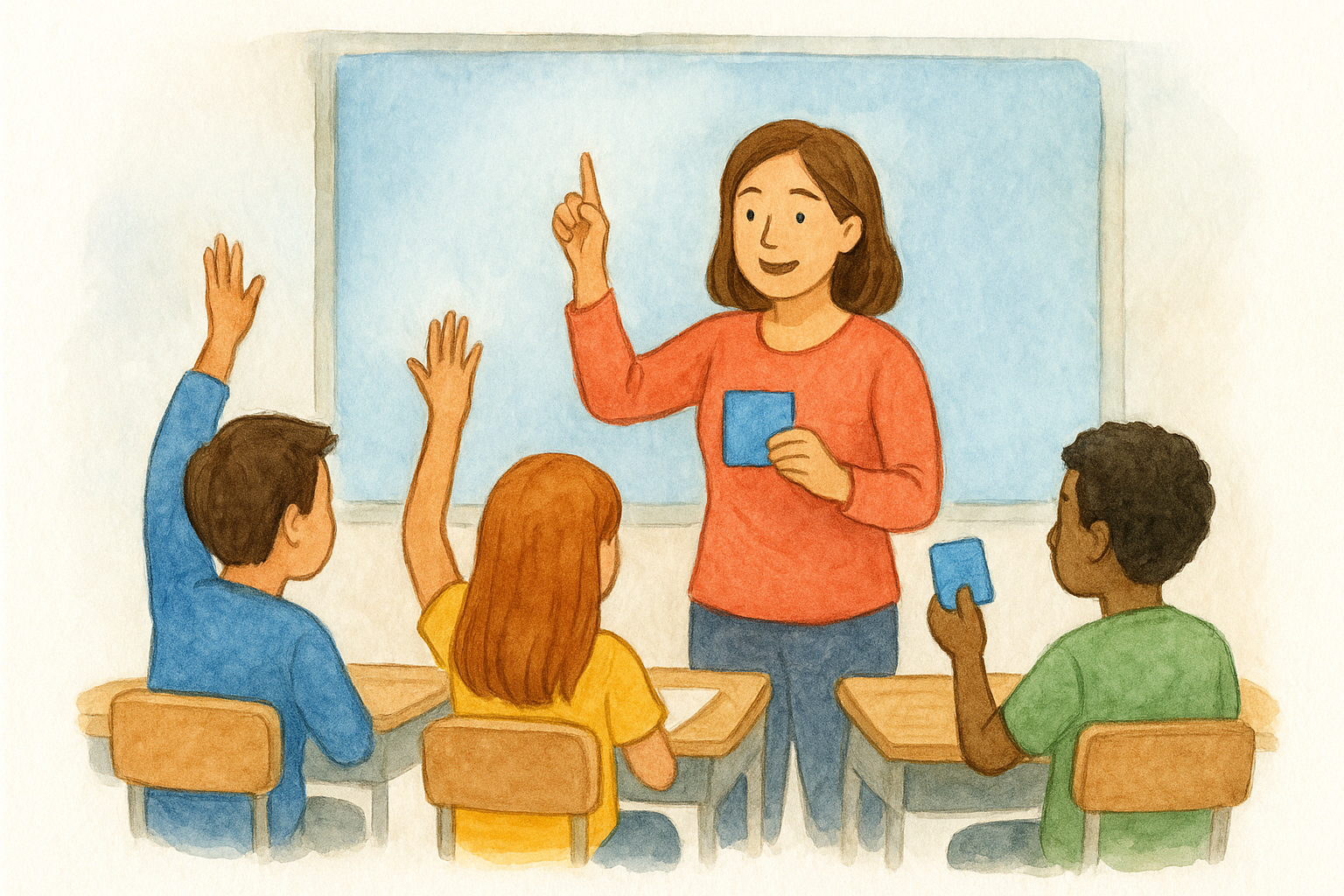
Simultaneous response techniques remove the option of hiding behind a raised hand. When you ask the whole class to respond at once, no student can wait to hear someone else’s answer before deciding what to say. Marzano connects this directly to accountability and attention, because students who know they’ll need to produce an answer stay focused throughout the question rather than tuning in only when called upon.
When every student responds at once, every student has to prepare an answer, and that preparation keeps the whole class in the lesson.
How to implement it
Use tools that require all students to respond simultaneously before anyone sees their peers’ answers. Whiteboards, response cards, hand signals, or a digital polling tool all work. Ask a question, give students a moment to prepare, then prompt everyone to show their answer at the same time on your signal.
Quick examples by grade band
- Elementary: Students hold up fingers to indicate which answer choice they selected from a list.
- Middle school: Each student writes a one-sentence answer on a whiteboard and holds it up on your cue.
- High school: Students vote on a claim using a simple agree, disagree, or unsure card.
How to tell it worked
You’ll get an instant read on the whole class rather than a snapshot of your most vocal students. Look for patterns in wrong answers, because those patterns tell you exactly which concept needs more time before you move on.
10. Add wait time and movement to reset attention
Two of the most overlooked tools in the Marzano student engagement strategies toolkit cost nothing and require no materials: wait time and physical movement. Both work by interrupting the natural attention drift that builds when students sit still and listen for too long, and both are supported by Marzano’s research on how teachers can reset student focus mid-lesson.
Why it engages students
The brain responds to novelty and physical change. When students move, their focus resets. When you pause after a question instead of rushing to fill silence, students do the cognitive work of actually forming an answer rather than waiting for a peer to bail them out. Marzano identifies both techniques as reliable attention restorers that cost you nothing but a few deliberate seconds.
Silence after a question isn’t awkward; it’s the sound of thinking happening.
How to implement it
After posing a question, wait at least three to five seconds before taking responses. That pause alone raises the quality of answers and draws in more students. For movement, build brief physical breaks into your transitions so the activity itself delivers the reset, rather than treating movement as a reward separate from learning.
Quick examples by grade band
Apply the same principles at every level, adjusted to the age group and activity format.
- Elementary: Ask students to stand and stretch before sharing their answer aloud.
- Middle school: Use a gallery walk where students move around the room to respond to posted prompts.
- High school: Have students move to opposite sides of the room to physically signal their position on a debate question.
How to tell it worked
After adding structured wait time, you’ll notice students give longer and more specific answers. After a movement break, the room’s energy lifts noticeably and students re-engage with the next task without needing a redirect from you.
Put it into practice
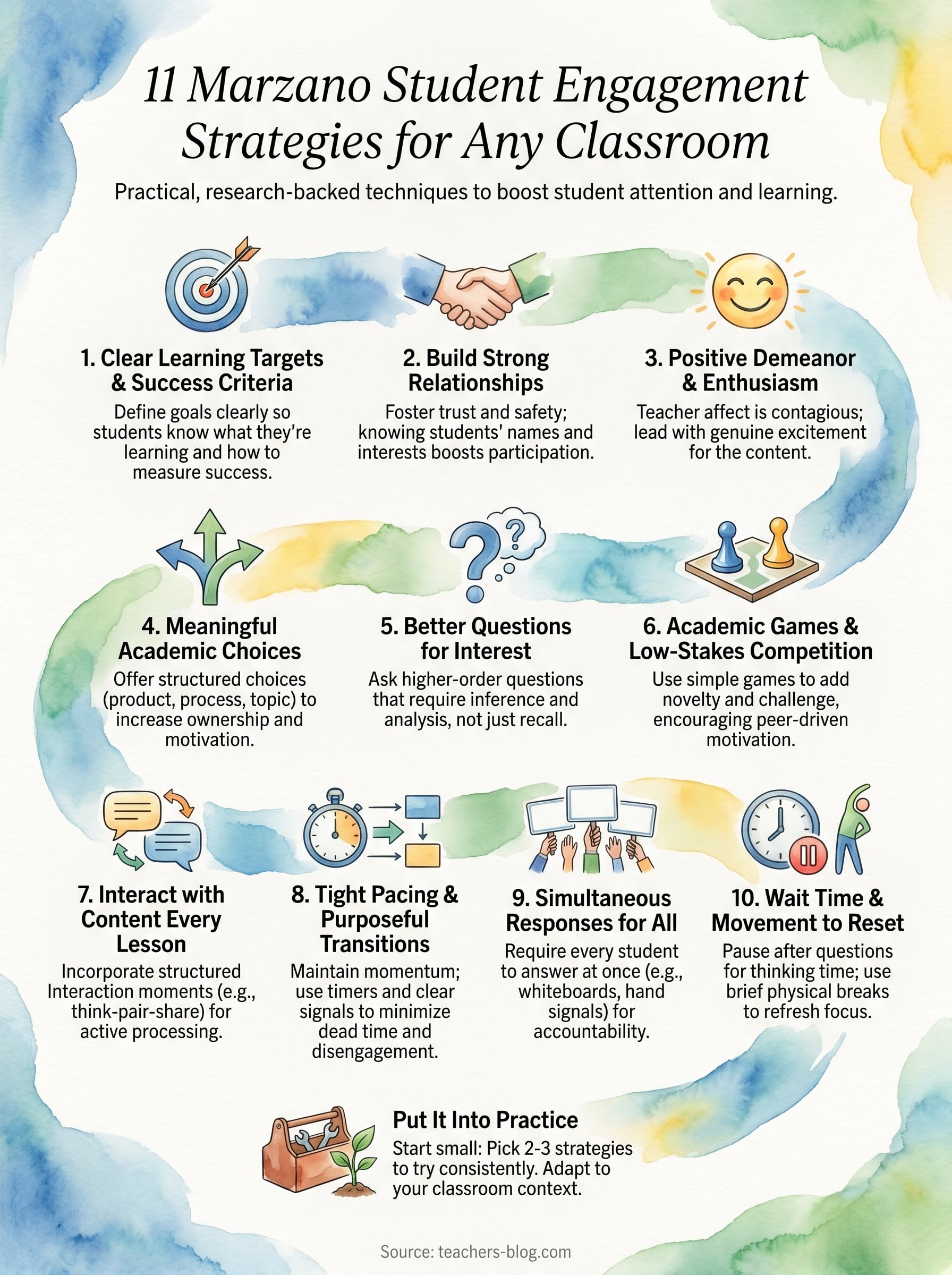
These 11 Marzano student engagement strategies give you a concrete starting point rather than a vague direction. You don’t need to implement all of them at once. Pick two or three that address your most persistent engagement challenges, try them consistently for a week, and pay attention to what changes. Small, deliberate adjustments to your questioning, pacing, or relationship-building habits will produce noticeable results faster than overhauling your entire approach.
Your classroom is the best testing ground you have. Each strategy described here works across grade levels and subjects, which means you can adapt them to fit your specific context rather than following a rigid script. As you build your toolkit, keep tracking what works and what needs adjustment.
For more practical strategies, resources, and tools designed specifically for educators, visit The Cautiously Optimistic Teacher and explore what’s available to support your classroom every day.