
How to Make Reading Practice More Engaging in the Classroom
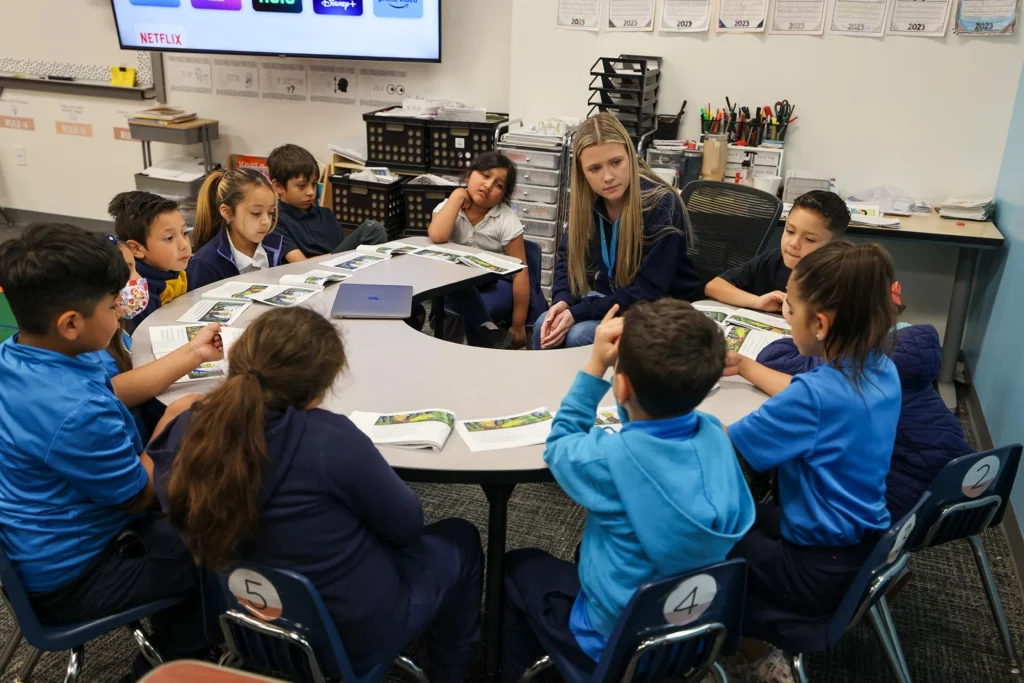
Reading practice is an important part of helping students become confident and capable learners. However, simply handing students a passage and asking them to answer a list of questions does not always create an engaging learning experience. Students have different interests, reading abilities, and learning preferences, so teachers often need to use a variety of approaches to keep reading activities meaningful.
The good news is that reading practice does not have to be complicated. A few small changes to classroom activities can make reading more interactive while still helping students develop important comprehension and literacy skills.
Start With Topics Students Find Interesting
One of the easiest ways to encourage students to read is to give them something worth reading about. When a passage connects with a student’s interests, curiosity can make the reading process feel less like an assignment.
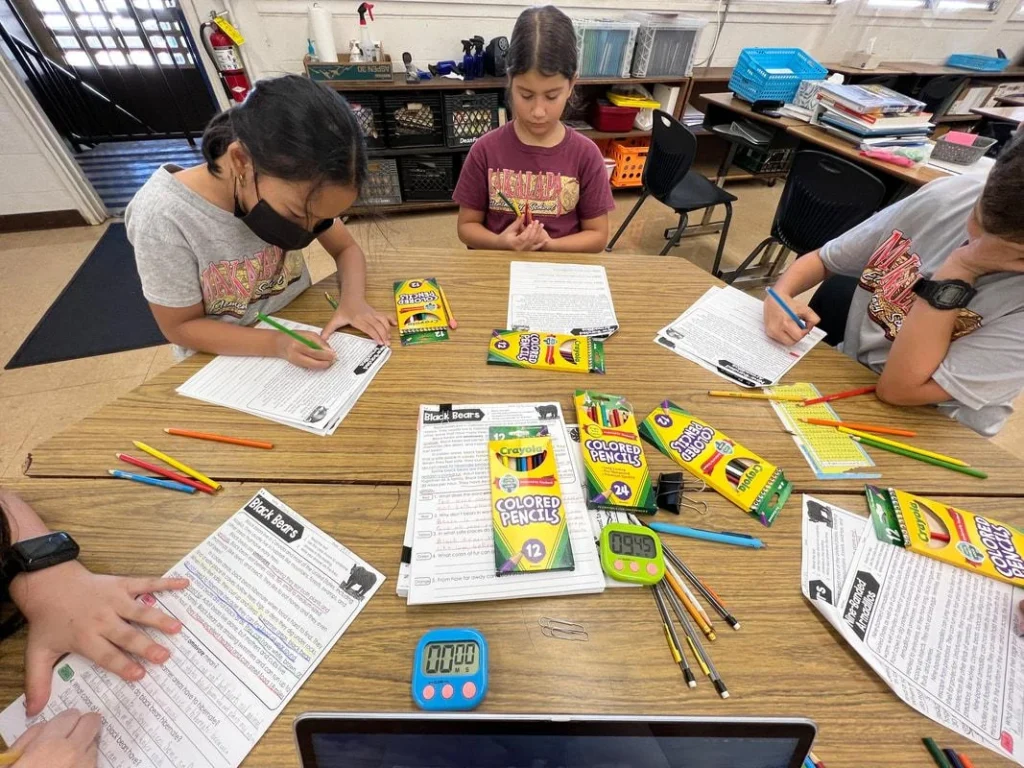
Teachers can introduce texts about animals, sports, science, technology, famous people, hobbies, history, or everyday experiences. Even when students are practicing the same comprehension skill, changing the subject matter can make the activity feel fresh.
For example, a lesson focused on identifying the main idea could use one passage about an unusual animal and another about a scientific discovery. Students are still practicing the same skill, but the variety gives them different opportunities to apply it.
Give Students a Purpose Before They Read
Students often understand a text better when they know what they should look for before starting. Instead of simply saying “read the passage,” give students a specific purpose.
You might ask them to find the main idea, identify three important details, predict what will happen next, or find unfamiliar words. For older students, you could ask them to identify an author’s argument or explain how evidence supports a particular point.
These simple prompts encourage students to read actively rather than moving through the text without thinking about its meaning.
Use Different Types of Reading Activities
Reading comprehension involves several skills, so classroom practice should go beyond basic multiple-choice questions. Teachers can combine different activities to give students opportunities to demonstrate what they understand.
For example, after reading a short passage, students could:
- Write the main idea in their own words.
- Put important events in the correct order.
- Match vocabulary words with their meanings.
- Identify supporting details.
- Make predictions about what happens next.
- Compare two characters or ideas.
- Explain an inference using evidence from the text.
- Write a short response about what they learned.
Using several activity formats also helps prevent reading lessons from becoming repetitive.
Match Materials to Reading Levels
A common challenge for teachers is finding reading material that is appropriate for different students. A passage that is comfortable for one learner may be too difficult for another, while an advanced reader may need something more challenging.
One useful approach is to organize reading activities by grade level and difficulty. Resources such as ReadingDuck.com can give teachers additional reading and literacy worksheets that cover different grades, subjects, genres, and specific reading skills. This can make it easier to find practice material that fits the needs of individual students rather than giving everyone exactly the same activity.
Having different levels available can also support differentiated instruction. Students can work on the same general skill while using materials that are appropriate for their current reading abilities.
Turn Reading Into a Group Activity
Reading does not always have to be an individual task. Small-group activities can give students opportunities to discuss what they have read and explain their thinking.
One simple strategy is to divide a class into small groups and give each group a short passage. Students can work together to identify the main idea, important details, unfamiliar vocabulary, or questions they still have about the text.
Another option is to assign different roles. One student might summarize the passage, another can identify important vocabulary, and another can find evidence that supports the group’s answer. Rotating these roles allows students to practice different skills.
Group discussions can also help students understand that there may be more than one reasonable way to interpret certain parts of a text.
Connect Reading to Writing
Reading and writing naturally reinforce each other. After completing a reading activity, ask students to write a short response instead of immediately moving to the next lesson.
The response does not need to be a long essay. A few sentences can be enough. Students could explain what they learned, describe the most interesting part of the passage, summarize the text, or give their opinion about an issue discussed in the reading.
For younger students, teachers might use sentence starters to make the activity easier. Older students can be encouraged to support their responses with evidence from the text.
This approach gives teachers another way to check whether students actually understood what they read.
Make Vocabulary Part of the Reading Process
Vocabulary development is closely connected to reading comprehension. When students encounter unfamiliar words, they should have opportunities to work out meanings from context instead of simply looking up every definition.
Before reading, teachers can introduce a few key terms that are likely to appear in the passage. During reading, students can underline unfamiliar words and use surrounding sentences to make predictions about their meanings.
Afterward, students can compare their predictions with dictionary definitions and use the new words in their own sentences. This makes vocabulary practice part of the reading experience rather than a completely separate exercise.
Let Students Reflect on Their Progress
Reflection can help students become more aware of how they approach reading. At the end of a lesson, ask a few simple questions:
- What was easy for you today?
- What was difficult?
- Which strategy helped you understand the passage?
- What new word did you learn?
- What would you like to practice next?
These questions encourage students to think about their own learning. Over time, they may begin to recognize which strategies help them understand difficult texts.
Keep Reading Practice Flexible
There is no single reading activity that works perfectly for every classroom. Some students may respond well to group discussions, while others may prefer independent work. Some passages may work better as a whole-class activity, while others are better suited to small groups or homework.
The goal is not to make every reading lesson elaborate. Instead, teachers can build variety into their existing routines. A short passage, a few thoughtful questions, a vocabulary activity, or a quick discussion can all become useful opportunities for students to practice their reading skills.
When reading materials are relevant, appropriately challenging, and varied, students have more opportunities to develop comprehension, vocabulary, critical thinking, and confidence. With a flexible collection of activities and resources, teachers can make reading practice a regular part of the classroom without allowing it to become repetitive.