
How to Create a Personalized Recipe Book That Gets Used
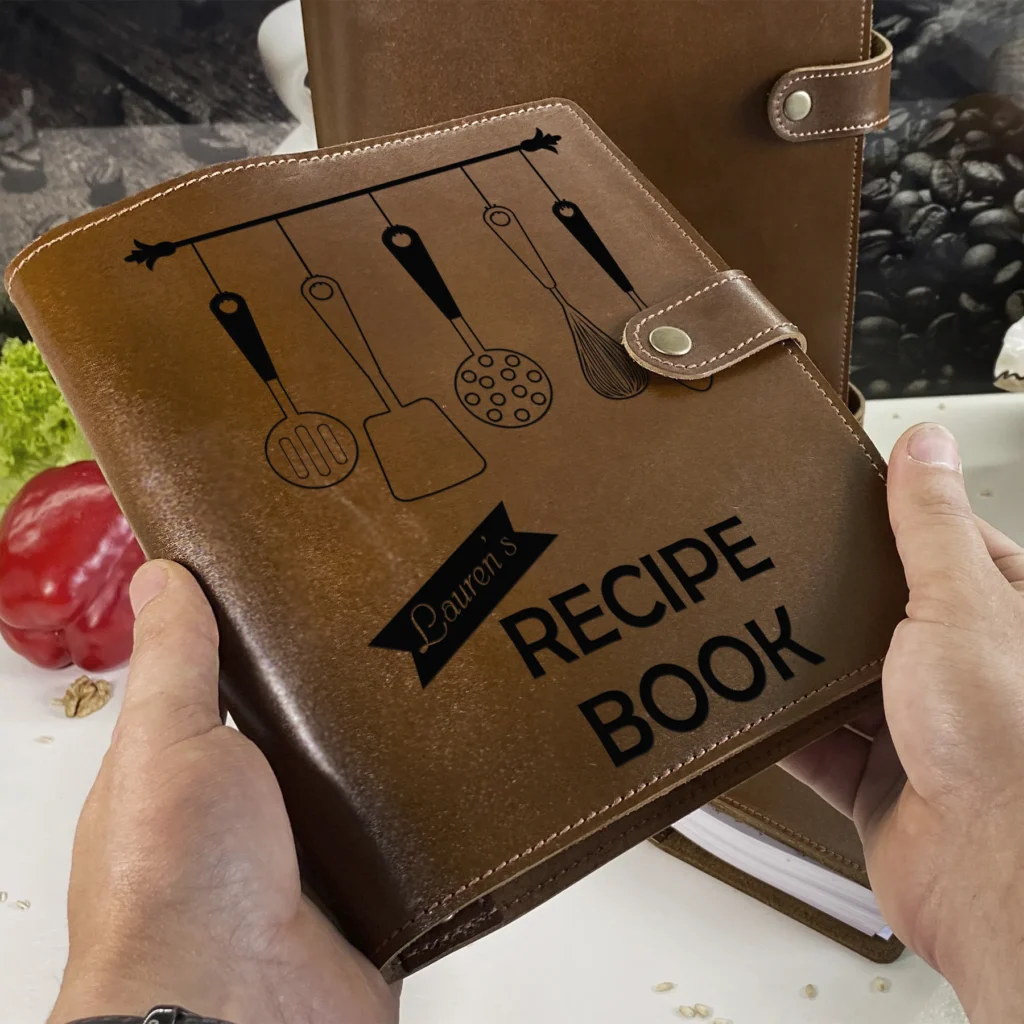
Favorite recipes often end up scattered across phone notes, screenshots, handwritten cards, and old notebooks. Collecting them in one place makes dinner planning simpler and helps keep family instructions from being lost. A dedicated book also offers room to record the small changes that make a dish work in your kitchen.
When choosing personalized recipe books, think about the cook’s habits before choosing a cover. A person who bakes every weekend may need generous writing space, while someone preserving a few family classics might prefer a compact format. The best arrangement makes recipes easy to find and update.
Decide What Belongs in the Collection
Start with meals you already cook and recipes you want to preserve. Focus on instructions that have been tested, especially those passed along verbally. Ask relatives about details that may be missing from an old card, such as pan size, oven temperature, or how the finished dish should look.
Useful sections include:
- Weeknight meals: reliable dishes that use familiar ingredients.
- Baking: breads, cookies, cakes, and notes about timing.
- Family favorites: recipes connected to people, holidays, or traditions.
- Sauces and basics: dressings, marinades, and commonly used preparations.
- Drinks and entertaining: beverages, party snacks, or cocktail recipes.
Leave several pages open in each category. A recipe collection grows over time, and extra space keeps new discoveries close to related dishes.
Pick a Cover and Page Format
SkinWood offers personalized recipe books with wooden and leather cover options, including editions for family cooking, baking, and mixology. Depending on the model, shoppers can select different sizes, page quantities, and paper layouts. The right choice depends on how much you write and where you plan to store the book.
Make Room for Complete Instructions
A small format is convenient for a short set of favorites. A larger page can accommodate long ingredient lists, cooking notes, and illustrations. If the book will stay on a kitchen counter, check its dimensions against your available space. If it will travel between homes, consider a size that fits comfortably in a bag.
Review the offered sheet styles before ordering. Dedicated recipe pages provide prompts, while lined or blank paper gives more freedom. For a gift, consider how comfortable the recipient will be filling in each format.
Choose Personalization With Staying Power
A first name, family surname, or short phrase is usually enough to identify the book. An engraving such as “The Miller Family Recipes” leaves the interior open for recipes from several generations. Check capitalization and spelling, especially with names that contain apostrophes or accents.
SkinWood’s broader collection of personalized gifts by skinwoodstore.com also includes practical items made from wood and leather. If you’re putting together a housewarming package, coordinate the inscription across items without making every piece identical.
Write Recipes So Someone Else Can Follow Them
A recipe that makes sense to its author may confuse a new cook. Use specific measurements, describe the order of tasks, and note any signs that show when a step is finished. If a family recipe says “bake until done,” ask the original cook for a temperature, approximate time, and visual cue.
Include the Details That Usually Get Forgotten
For each entry, try to record:
- Preparation and cooking times, plus the number of servings.
- Ingredients in the order they are used.
- Pan sizes, equipment, and oven settings.
- Substitutions that have worked in your kitchen.
- Notes about storage, reheating, or making the dish ahead.
Short stories can fit in the margins. A line explaining why a pie appears at every birthday adds context without interrupting the instructions.
Build the Book in Five Manageable Steps
You can assemble a useful first edition over a few weekends. Begin with a small selection instead of waiting until every family recipe is documented.
- Gather recipes. Collect cards, notes, and messages from people whose dishes you enjoy.
- Test unclear instructions. Cook or bake the recipe and write down missing details.
- Create categories. Decide on headings that match the way you search for meals.
- Copy entries carefully. Keep ingredient amounts and preparation steps consistent.
- Add new pages gradually. Record successful adjustments and note the date if the recipe changes.
If several people contribute, ask each person to sign an entry or include a short memory. Different voices can give a family cookbook a warm, authentic character.
Give a Recipe Book That Feels Personal
For a wedding, include dishes from both families so the couple has familiar meals to make together. A college graduate may appreciate simple dinners and instructions for basic sauces. For Mother’s Day or a birthday, collect recipes from children and grandchildren before presenting the book.
Leave enough blank space for the recipient’s own ideas. If the book is meant to be filled later, include a list of suggested recipes or a few completed pages to help them start.
Review the Details Before Ordering
Confirm the cover material, book dimensions, number and type of sheets, and personalization text. Check whether a proof requires approval and allow time for production and shipping if the book is a gift for a specific occasion.
A useful recipe book grows alongside the cook. Clear instructions, familiar sections, and a comfortable writing format make it easier to revisit favorite meals and pass them along.