
Classroom Strategies to Strengthen Children’s Communication Skills
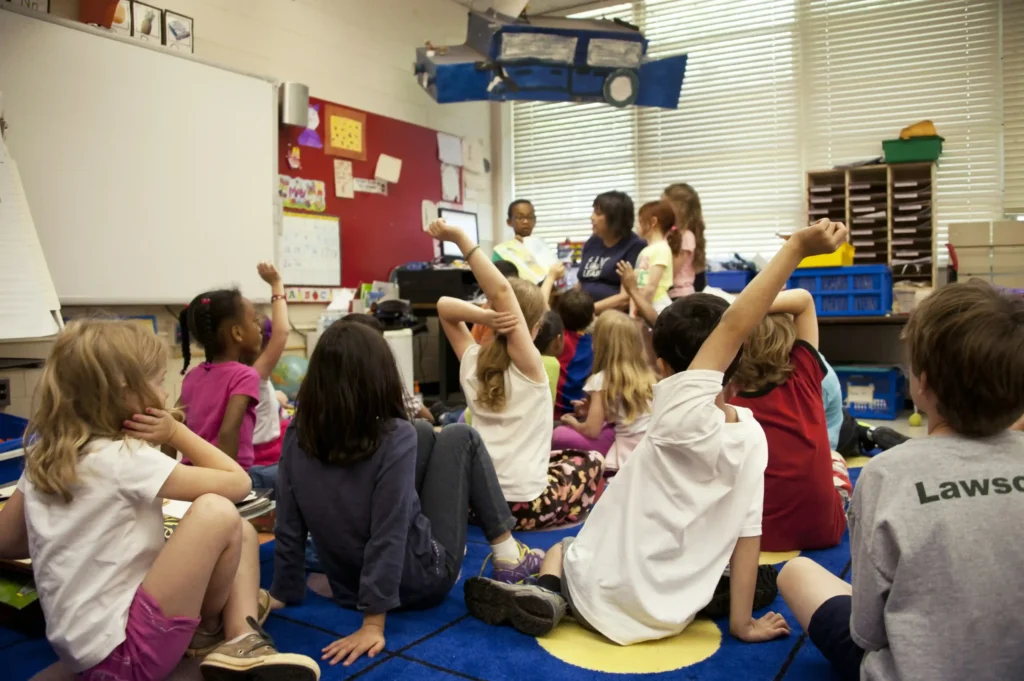
Communication skills play an important role in how children learn, build friendships, and participate in classroom activities. Students need opportunities to express their thoughts, ask questions, understand instructions, and respond to others with confidence. However, children develop these abilities at different rates, and some may need additional support to communicate effectively in academic and social settings.
Teachers can make a meaningful difference through everyday classroom practices that encourage listening, speaking, vocabulary development, and positive interactions. Simple adjustments to lessons and group activities can help students feel more comfortable sharing their ideas while creating an inclusive learning environment.
Create Opportunities for Meaningful Conversations
Children strengthen their communication skills when they have regular opportunities to express themselves. Classroom discussions, partner activities, and informal conversations allow students to practice organizing their thoughts and responding to different viewpoints.
Teachers can introduce open-ended questions that encourage students to explain their reasoning rather than provide one-word answers. Questions such as “What made you think that?” or “How would you solve this problem differently?” prompt children to use descriptive language and develop their ideas.
It is also helpful to give students enough time to formulate responses. Some children need a few extra seconds to process a question or find the right words. Allowing pauses without immediately supplying an answer communicates that their contributions are valued.
How can teachers encourage communication among children who speak different languages?
Teachers can use multilingual books, picture-based activities, and peer-learning exercises to make classroom conversations more accessible. Inviting students to share words or expressions from their home languages can also build curiosity and mutual respect. Teachers should focus on helping children communicate their ideas while gradually introducing the vocabulary they need to participate in academic discussions.
Use Storytelling to Develop Language Skills
The Conversation highlights how listening to stories and discussing them with adults supports young children’s language, literacy, social, and emotional development. Regular story time introduces new vocabulary, strengthens understanding of spoken language, and encourages a lasting interest in reading.
These benefits can be expanded through dialogic reading, an interactive approach in which parents and teachers ask questions about the story. This encourages children to recall events and explain characters’ actions and decisions. Questions such as “What happened next?” and “Why do you think the character did that?” help develop children’s comprehension, critical thinking, speaking, and listening skills.
Research cited in the article also indicates that interactive storytelling can improve vocabulary development, particularly among children who experience language delays. The article also discusses how teacher training in interactive reading can improve children’s attention, engagement, and enjoyment of stories.
How can teachers assess students’ storytelling abilities without formal tests?
Teachers can evaluate storytelling through informal activities that reveal how children organize and communicate ideas. For example, students can retell a familiar event, create a story from a sequence of illustrations, or describe an imaginary adventure. Educators can observe whether students maintain a logical sequence, include relevant details, and make their stories understandable to listeners.
Make Communication Support Part of Everyday Teaching
Children have different communication strengths and needs. Some may struggle to pronounce certain sounds, understand complex instructions, organize their thoughts, or participate in conversations. Teachers can support these students through thoughtful classroom adjustments while continuing to encourage independence.
For example, breaking lengthy instructions into shorter steps can make tasks easier to understand. Teachers can also collaborate with families and qualified speech-language pathologists (SLPs) when a child experiences persistent communication difficulties.
However, many districts struggle to secure specialist support. Community Impact reported that more than 78% of school-based speech-language pathologists said they had more job openings than applicants in 2024. One Texas district hired over 23 contracted SLPs and assistants for the 2024-25 school year to keep up with student needs.
But things are changing now because remote programs have made these degrees easier to pursue. For example, the online SLP program offered by Desales University allows individuals to enroll in the course from anywhere.
Such collaboration helps teachers distinguish between ordinary developmental differences and concerns that may warrant further assessment. It also encourages a coordinated approach that complements classroom practices with a student’s individualized support plan.
Use Visual Aids to Make Instructions Easier to Understand
Visual support can help children follow classroom routines, understand expectations, and communicate their needs. They are especially useful when students struggle to process lengthy verbal explanations or remember multiple instructions at once.
Teachers can use illustrated schedules, labeled classroom materials, graphic organizers, and step-by-step task cards to make information easier to follow. For instance, a sequence of pictures can show students how to prepare for a group activity without repeated verbal reminders.
Visuals work best when students know how to use them. In an Edutopia article, an elementary educator explains that supports such as visuals, sentence frames, and pair-share help only when students understand their purpose. She recommends guided practice with visuals and frequent reminders that students can turn to them as a resource.
These tools should complement spoken language rather than replace meaningful conversation. Teachers can describe the visuals, introduce relevant vocabulary, and encourage students to explain their choices when they feel comfortable.
Encourage Active Listening During Classroom Activities
Active listening plays an important role in building trust, empathy, and understanding in educational relationships. However, its value for learning developers who support students is often overlooked.
Listening attentively, setting aside assumptions, and giving students space to express themselves can strengthen relationships, build confidence, and improve perceptions. This approach also helps create a person-centered learning environment where students feel heard, valued, and connected to their institution.
Teachers can model active listening through appropriate eye contact, attentive body language, and thoughtful responses. They can also set simple discussion rules, such as letting classmates finish speaking, asking relevant follow-up questions, and respectfully acknowledging different opinions.
Partner activities provide an effective way to practice these behaviors. One student might describe a favorite hobby while the other listens and summarizes the main points. Students can then switch roles, giving everyone an opportunity to practice both speaking and listening.
What is the difference between hearing and active listening in children?
Hearing is the physical ability to detect sounds, whereas active listening involves paying attention to information, interpreting its meaning, and responding appropriately. A child may hear a teacher’s instructions without understanding their significance or remembering the next steps. Listening activities that involve summarizing information, identifying key details, and asking relevant questions can help develop these skills.
Key Research and Statistics on Children’s Communication Skills
| More than 78% of school-based SLPs reported more job openings than applicants in 2024. | Schools face challenges recruiting speech-language pathologists. |
| One Texas school district hired over 23 contracted SLPs and assistants for the 2024–25 school year. | Districts are using contracted specialists to meet student needs. |
| Five conversational turns are recommended in a one-on-one conversation approach. | Meaningful teacher-student exchanges can support language development. |
| Interactive storytelling supports vocabulary, literacy, and social-emotional development. | Discussing stories helps children develop communication skills. |
| Trained staff, family partnerships, and individualized support are inclusion priorities for 2026–2030. | Inclusive classrooms benefit from coordinated support. |
Helping children develop stronger communication skills requires consistent practice, supportive relationships, and opportunities to participate in meaningful interactions. Teachers can encourage progress through storytelling, active listening, vocabulary activities, collaborative learning, visual support, and positive feedback.
Public agencies are reaching similar conclusions. A 2026-2030 early childhood inclusion plan from the Texas Education Agency and its partner agencies identifies several conditions that help inclusion succeed. These include trained staff, collaboration between general and special education teachers, flexible and individualized practice, peers as partners, and strong partnerships with families.
When educators work alongside families and qualified specialists, they can create learning environments where children feel comfortable expressing themselves.