
Meeting Different Developmental Needs in the Early Childhood Classroom
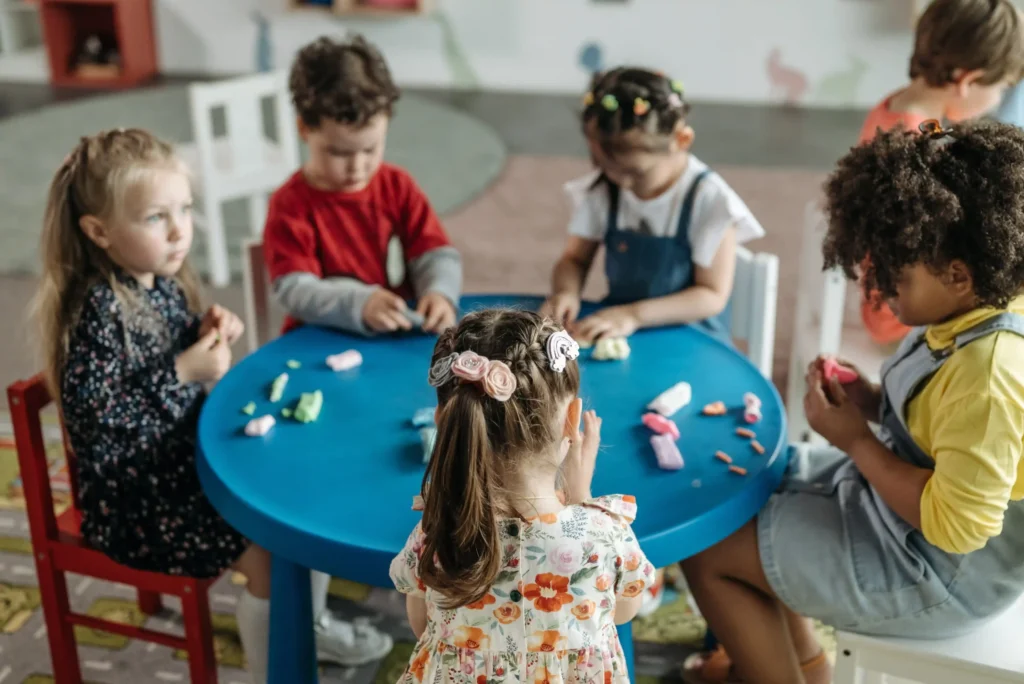
The first few years of a child’s life lay the foundation for their future growth. According to UNICEF, the years from birth to five are critical for a child’s long-term health, development, and well-being.
The experiences children have during this time can influence their physical, mental, and emotional development well into adulthood. High-quality early childhood education can be particularly valuable for children who may be at risk of developmental challenges.
However, not all children develop at the same pace or have the same learning needs. Some may communicate easily and participate in group activities, while others may need more time or individual support to develop these skills.
For teachers, recognizing these differences and supporting each child’s learning pace helps create a more inclusive classroom.
Why Developmental Needs Vary Among Young Children
Early childhood is a time of rapid physical, social, emotional, and cognitive growth, yet children do not master skills on the same timeline. Individual developmental patterns, family environments, and opportunities to learn through play and interaction all shape progress.
As Professor Lynn Ang of UCL Institute of Education notes, culture has “a profound influence on children’s social and emotional development.”
One child may communicate confidently but struggle with taking turns, while another enjoys group activities but needs help following multi-step instructions. Some children work independently, while others need reminders and encouragement.
These differences don’t automatically signal a problem, since children need different amounts of time and practice. Still, the CDC notes that developmental disabilities affect children across every racial, ethnic, and socioeconomic background. About 1 in 6 children (17%) aged 3 through 17 in the United States have one or more developmental disabilities, such as ADHD, autism spectrum disorder, cerebral palsy, or hearing loss.
Teachers can better support children by recognizing their individual strengths, observing their progress, and avoiding comparisons with classmates.
Recognize When a Child Needs Additional Support
Teachers spend considerable time observing children during lessons, play, meals, and other daily activities. These interactions can help them recognize when a child consistently struggles with particular tasks or situations.
Some signs that a child may need additional support include:
- Difficulty communicating basic needs or expressing thoughts.
- Challenges participating in group activities or interacting with peers.
- Frequent frustration during transitions or changes in routine.
- Difficulty following instructions or completing age-appropriate tasks.
- Struggles with activities involving coordination or independent movement.
Look for patterns rather than draw conclusions from isolated incidents. A child who occasionally avoids group activities may simply prefer individual play. However, if similar difficulties persist across different situations, teachers can document their observations and discuss them with the child’s parents.
The importance of early recognition is also highlighted by a study cited by The Conversation. Researchers found that children with two or more neurodevelopmental conditions, such as ADHD, autism, and learning difficulties, were more likely to experience depression and anxiety. The findings highlight the need for early, coordinated support across educational, developmental, and mental health services.
Adapt Classroom Activities to Different Developmental Needs
A classroom does not need a separate lesson plan for every child. Small adjustments to activities, instructions, and expectations can make it easier for everyone to participate.
The Organisation for Economic Co-operation and Development (OECD) describes inclusion as “adapting the system to fit the child.” It also notes that all children need some level of individualized support, which works best when integrated into activities shared by the whole group.
Teachers can try these approaches:
- Break tasks into steps: Give one instruction at a time instead of explaining several steps together.
- Use visual demonstrations: Pictures, objects, and gestures can help children who are still developing language skills.
- Offer different ways to participate: Let children express themselves through speaking, drawing, pointing, or building.
- Allow flexible time: Giving children extra time can reduce frustration and encourage independence.
- Include varied play: Storytelling, puzzles, pretend play, music, and outdoor activities help develop communication, coordination, and social skills.
- Recognize individual progress: Praise effort and improvement rather than comparing children.
The OECD also encourages a strengths-based approach that values children’s individual experiences and home languages. These adjustments can help children feel comfortable participating, experimenting, and learning from mistakes.
Work With Specialists to Provide Individualized Support
Classroom adjustments can help children participate more comfortably, but some may need additional support to develop specific skills. Teachers who notice persistent difficulties with communication, social interaction, or emotional regulation can share their observations with parents and suggest consulting qualified professionals.
Depending on the child’s needs, families may consider support from developmental specialists, speech-language pathologists, occupational therapists, or behavioral professionals.
Applied Behavior Analysis (ABA) is one approach that may be recommended for some children, including some autistic children. It uses individualized strategies to develop skills such as communication, social interaction, play, and everyday independence.
ABA is one form of support used in autism care in many states, including North Carolina. In 2025, the state’s Medicaid program paid more than $505 million for the therapy, supporting 13,447 people, most of them children with autism. Families exploring this option may look into in-home ABA therapy in North Carolina, which allows children to practice skills in familiar surroundings and everyday routines.
Bright Home ABA explains that the sessions are built around play and connection, making learning feel natural while celebrating each child’s progress. Families are involved from the beginning through regular updates and strategies they can use between sessions.
With parental consent, teachers and therapists can also share relevant observations and coordinate approaches to help children practice skills across home and classroom settings.
Help Parents Reinforce Development Through Everyday Activities
Classroom learning is only one part of a child’s development. Many important skills, including communication, problem-solving, motor coordination, and social interaction, also develop through everyday experiences at home.
As MindBodyDad points out, parents do not need elaborate activities or expensive educational toys to support this growth. Simple, everyday moments can offer valuable opportunities for children to learn and practice new skills.
Some practical ideas include:
- Read together: Picture books and storytelling introduce new words, encourage questions, and help children understand different situations.
- Encourage conversations: Talking about daily activities, asking simple questions, and giving children time to respond can strengthen communication skills.
- Make time for imaginative play: Pretend cooking, building, drawing, and playing with toys encourage creativity and problem-solving.
- Create predictable routines: Regular meal, play, and bedtime routines help children understand what to expect and practice independence.
- Encourage age-appropriate responsibilities: Small tasks such as putting toys away or choosing clothes can help children develop confidence and everyday skills.
- Explore the outdoors: Walks, nature activities, and outdoor games encourage movement, observation, and curiosity.
Parents looking for more ideas can explore these tips to support early childhood development. Consistent opportunities for play, conversation, and exploration can complement the skills children practice at school.
Build Consistency Between Home and Classroom
Children often benefit when the adults supporting them communicate regularly. Teachers and parents can share observations about a child’s interests, progress, and areas where additional encouragement may help.
For example, a teacher might notice that a child participates more confidently in small groups than in larger activities. Parents may share similar observations from playdates or family gatherings. Together, they can explore ways to make group interactions more comfortable.
Regular communication also helps prevent misunderstandings. Instead of discussing only challenges, teachers can share small achievements and explain which classroom strategies are working. Parents can offer insights into the child’s routines, preferences, and experiences at home.
When a child receives specialist support, families can decide what information is appropriate to share with the school. With their consent, teachers and professionals can work together on practical goals while respecting the child’s privacy and individual needs.
FAQs
Why do children of the same age have different developmental needs?
Children develop at different rates because of individual developmental patterns, experiences, family environments, and learning opportunities. Differences in communication, social interaction, physical abilities, and independence are common during early childhood.
How can teachers support children with different learning needs?
Teachers can use visual instructions, break activities into smaller steps, offer different ways to participate, allow flexible time, and include varied play-based activities. Observing individual progress also helps them adjust their approach.
When should parents consider additional developmental support for a child?
Parents may consider seeking professional guidance when they have persistent concerns about a child’s communication, social interaction, behavior, movement, or everyday skills. A qualified professional can help assess the child’s needs and discuss appropriate support options.
Statistics on Early Childhood Development and Additional Support
| Critical period for early development | Birth to age 5 |
| US children aged 3 to 17 with one or more developmental disabilities | 1 in 6 (17%) |
| North Carolina Medicaid spending on ABA therapy in 2025 | More than $505 million |
| People supported through North Carolina Medicaid-funded ABA therapy in 2025 | 13,447 |
| Children with two or more neurodevelopmental conditions who may face a greater likelihood of depression and anxiety | Higher likelihood reported in the study |
Every child develops at their own pace and brings unique strengths, interests, and learning needs to the classroom. Teachers can make a meaningful difference by recognizing these differences, adjusting activities, and giving children opportunities to build skills at a comfortable pace.
Working closely with parents and specialists can provide further support when a child faces persistent challenges. By creating an inclusive environment and recognizing individual progress, teachers can help young children feel more confident and take an active part in classroom learning.