How Teachers Can Use Real-World Issues to Build Critical Thinking
Think back to when you were sitting in middle school classrooms. Do you remember staring at dry worksheets and wondering why any of it mattered?
Most kids still feel that way today. Textbooks do a fine job teaching basic formulas and historical dates. But they rarely teach kids how to navigate the messy everyday world. Real life requires people to dig into confusing situations, ask tough questions, and spot bias.
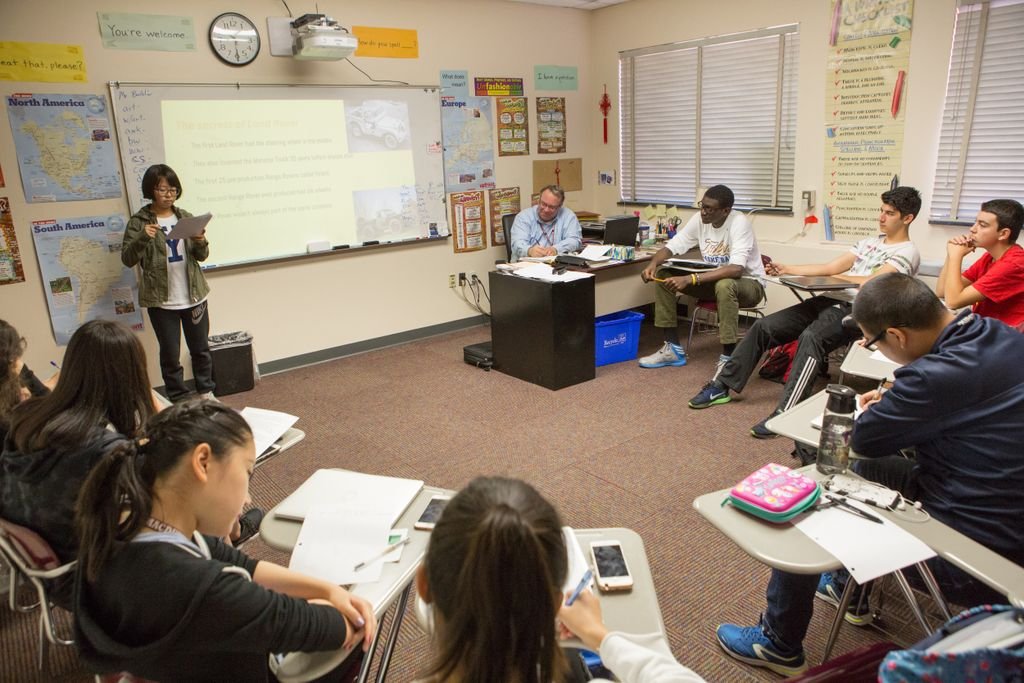
That is what critical thinking is all about. It is the ability to look at an issue, take it apart, and make up your own mind. It means checking facts before you believe rumors. A 2025 study on ResearchGate showed that students who practice active critical thinking solve complex, real-world problems far more effectively.
In this article, we will share how you can use real-world issues to build critical thinking in your students.
Dissect Real Legal and Corporate Accountability Controversies
Real life rarely comes with a neat answer key. Companies make products, run ad campaigns, and sometimes face serious lawsuits when things go wrong. Studying these situations shows students how business choices, science, and the law collide.
A concrete example is the ongoing port catheter lawsuit. A port catheter is a small medical device. Doctors place it under a patient’s skin so they can deliver medicine, like chemotherapy drugs, directly into the bloodstream.
In the port catheter lawsuit, patients argue that certain port devices had design flaws that caused the materials to crack and move inside the body.
TorHoerman Law adds that this has caused serious infections, blood clots, lung and heart problems, and even life-threatening emergencies that required surgery.
When your class explores a case like this, students get to evaluate technical data, corporate decisions, and safety regulations. That shows them how every major choice has widespread ripple effects.
You can introduce a legal controversy in four straightforward steps:
- Summarize the dispute neutrally to set the stage
- Distribute excerpts of primary sources like court filings or safety alerts
- Have students map the opposing arguments in a two-column chart
- Conclude with small-group mock hearings where students rule strictly on the provided evidence
Run Controlled Media Literacy Scavenger Hunts
Young people spend hours online every day. In fact, a study by UNICEF reveals that over half of kids spend more than four hours a day online in their free time. About one in four spends over six hours.
Reflecting on the impact of prolonged screen time, Bill Gates noted in a review on GatesNotes, “Our attention spans are like muscles, and the non-stop interruptions and addictive nature of social media make it incredibly difficult for them to develop. Without the ability to focus intensely and follow an idea wherever it leads, the world could miss out on breakthroughs.”
Most kids feel confident using apps, but tech skills do not equal good judgment. Students often fall for doctored photos or sponsored ads disguised as news. A controlled media scavenger hunt gives them a safe space to spot those tricks and build core critical thinking habits.
Instead of lecturing students, turn fact-checking into an active challenge. Give them mixed clips from the past week, including real reports, sensational clickbait, parody posts, and AI images.
Critical thinking grows when kids stop accepting claims at face value. This hunt trains them to pause, dissect hidden motives, and separate hard proof from emotional manipulation.
Send them on a hunt to answer basic verification questions:
- Who paid to publish this story?
- What primary data source supports the main claim?
- Which key perspectives did the author leave out?
- What emotional words does the headline use to grab clicks?
Through this process, students learn to cross-check sources, weigh evidence, and spot logical fallacies. They realize a slick website can spread lies, while a plain post might cite solid data. That active skepticism teaches them how to judge information independently.
Host Perspective-Taking Roleplays on Complex Global Challenges
Critical thinking is not just about catching lies or reading court filings. It is also about seeing an issue from multiple viewpoints.
When students only see their own side, their thinking stays narrow. Role-playing complex global issues forces them to step into someone else’s shoes.
Pick a challenge with no easy answer, such as regional water limits. Assign each student a specific stakeholder identity:
- A farmer who needs water for family crops.
- A factory manager balancing local jobs with production needs.
- An ecologist protecting a shrinking wetland habitat.
- A city planner rationing tap water for growing neighborhoods.
Students must research their assigned role and defend that person’s interests during a town hall meeting. They cannot simply argue what they personally believe. They must look at the data through their character’s eyes.
Research published in the Lia CORE Journal Platform reveals that role-playing helps people become 42% more empathetic and better at seeing things from others’ points of view.
FAQs
How can I assess critical thinking fairly without standard multiple-choice tests?
Use clear rubrics that grade evidence quality, logical consistency, and source checks rather than personal conclusions. Focus scores on how well students support their reasoning, regardless of their final stance.
What should I do if classroom discussions become overly heated or personal?
Pause the debate immediately. Remind students to challenge specific arguments instead of attacking individuals. Have them take two quiet minutes to write down only verifiable facts that support their views.
How do I make time for real-world issues without falling behind on state standards?
Do not treat them as extra units. Integrate real events directly into mandated lessons. Use news stories for reading analysis or budget debates for percentage and data-handling math standards.
Key Statistics
| Source / Entity | Key Statistic / Finding | Context / Relevance |
| ResearchGate (2025) | Noticeable boost in solving complex real-world issues | Students who practice active critical thinking develop stronger problem-solving abilities. |
| UNICEF | Over 50% of kids spend >4 hours online daily; ~25% spend >6 hours daily | Highlights extensive screen time and the urgent need for digital media literacy. |
| Lia CORE Journal Platform | 42% increase in empathy and perspective-taking | Role-playing exercises help learners understand opposing viewpoints and complex global trade-offs. |
Your job as an educator is not to tell students what to think. Your job is to give them the tools to decide how to think.
By exploring corporate accountability, hunting down online misinformation, and stepping into opposing viewpoints, you bring your classroom to life. Your students will not just pass tests. They will learn to navigate a complicated world with confidence, empathy, and clear minds.